For homes
We help homeowners and tenants address leaks in kitchens, bathrooms, basements, and laundry areas. We explain which belongings to move and what surfaces need drying.
- Leaking sink cabinet
- Wet basement carpet
- Water heater floor puddle
Water leak cleanup Indianapolis IN helps homeowners and property managers stop water from spreading through floors, walls, and belongings. We locate the affected area, extract water, and set drying equipment for a leaking pipe, appliance, water heater, or hidden plumbing failure. Our Indianapolis water leak cleanup service focuses on limiting further damage and giving you clear next steps while your home or business gets back to usable condition.
 Water extractionMoisture checksDrying setup
Our cleanup covers assessment of the affected area, extraction of accessible water, and drying setup suited to the materials involved. We check visible floors, baseboards, and accessible wall edges, then explain the findings. Plumbing repairs, extensive reconstruction, and concealed materials that require opening a structure are separate work, but we identify when they are needed and how they connect to recovery.
We identify the rooms and surfaces reached by water, note visible damage, and ask when the leak began. That establishes a practical starting point and helps us select extraction equipment. We also flag access or safety concerns before setting up.
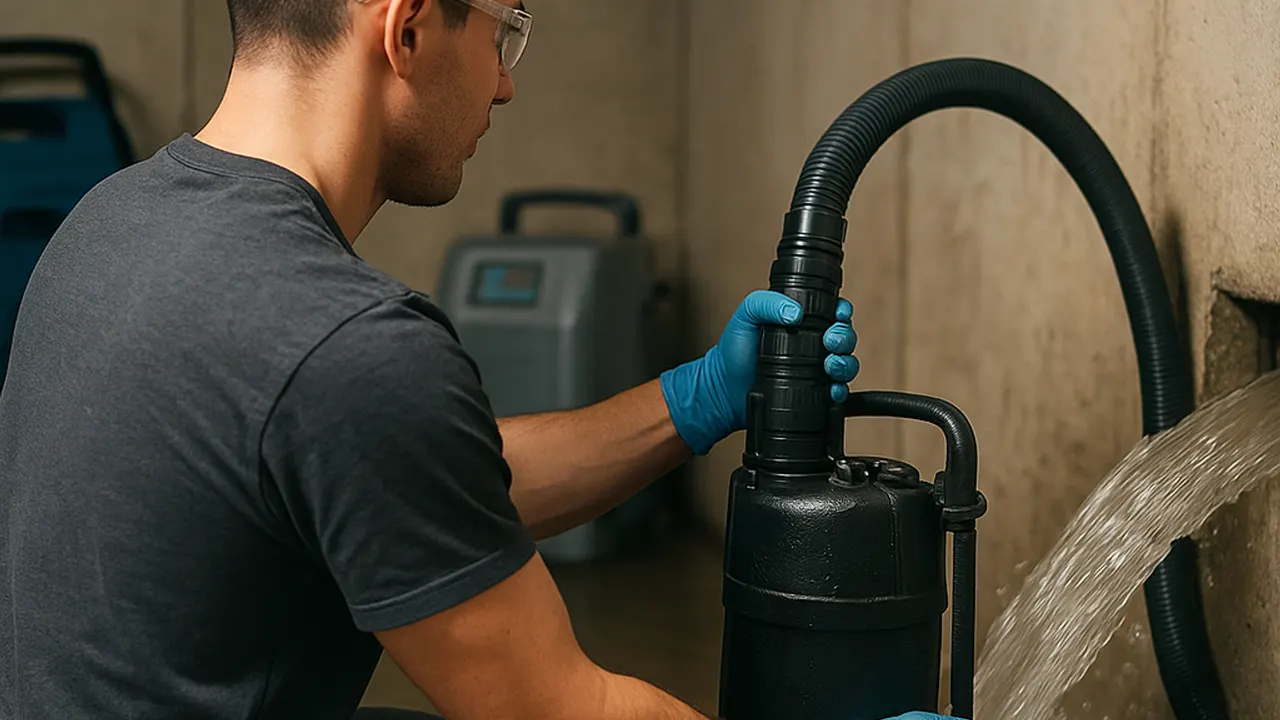
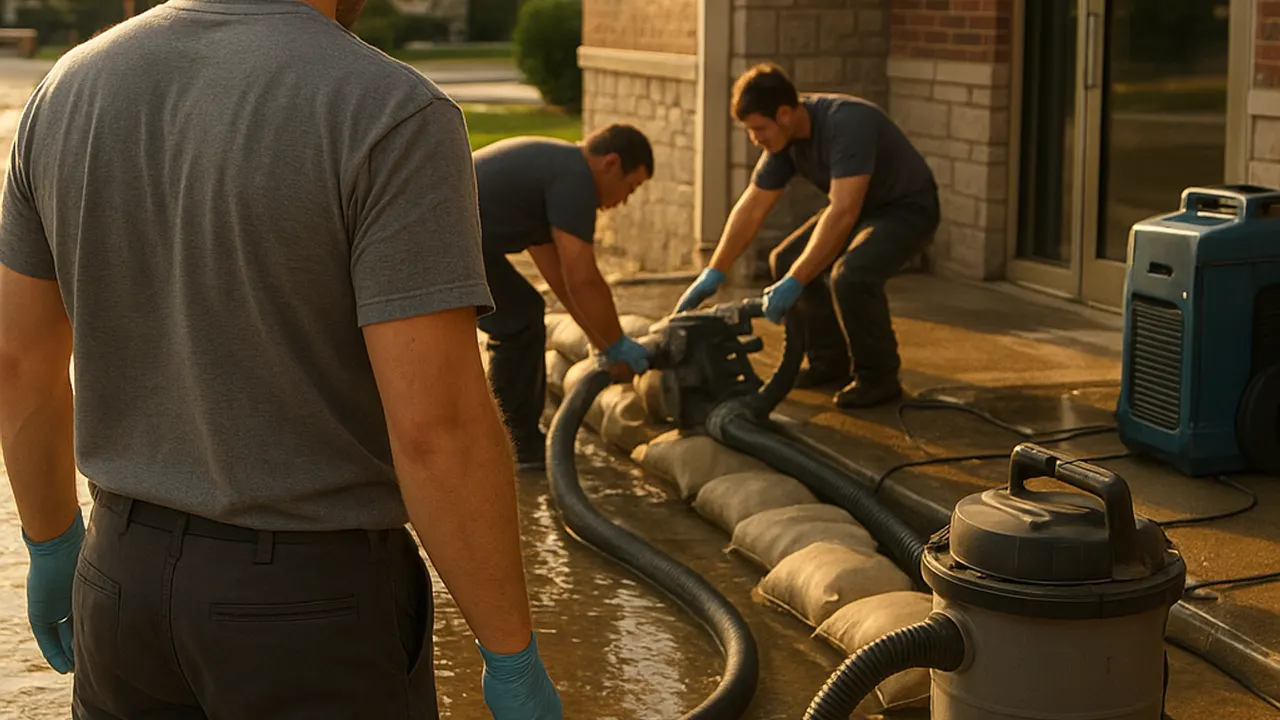
We remove pooled water from accessible floors using equipment suited to the volume and location. For deeper basement water, a submersible pump can clear bulk water before detailed extraction. We check edges and low spots that can hold residual moisture.
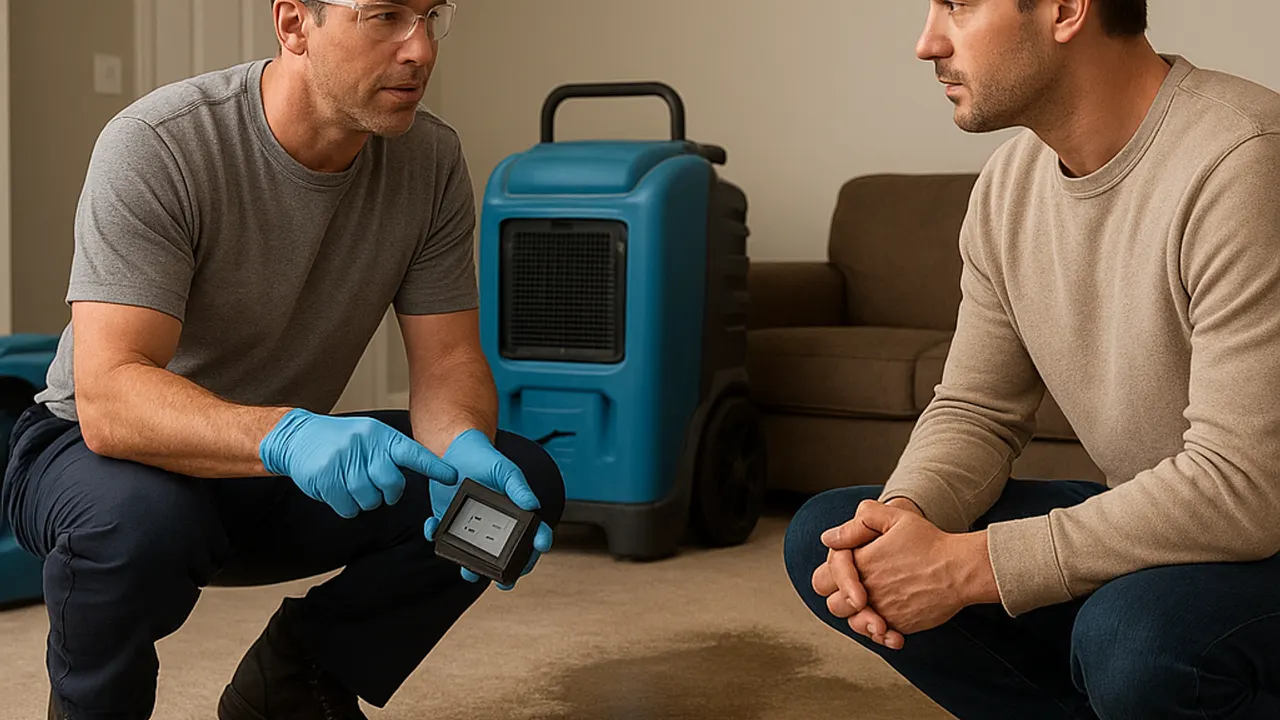
We use moisture readings to compare affected materials with nearby areas that appear dry. Accessible carpet, flooring, baseboards, and wall surfaces are checked according to conditions. We explain what readings mean for the drying plan without presenting a surface check as proof about a closed cavity.
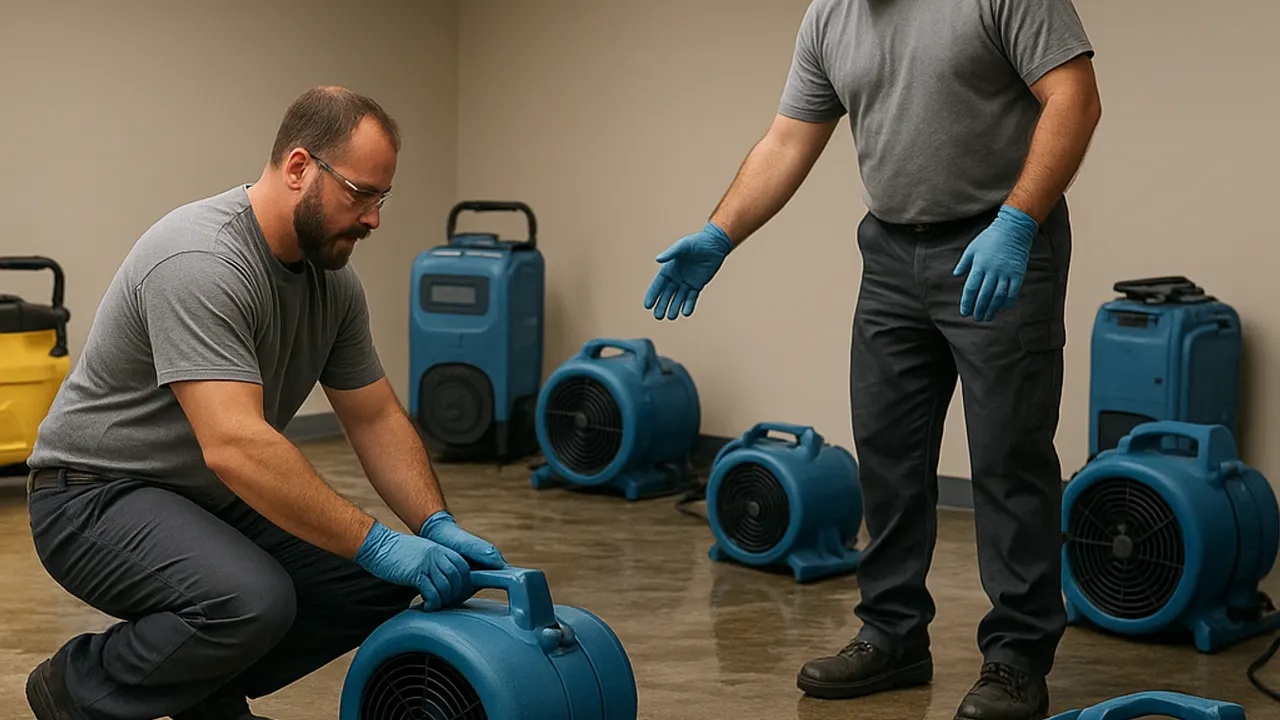
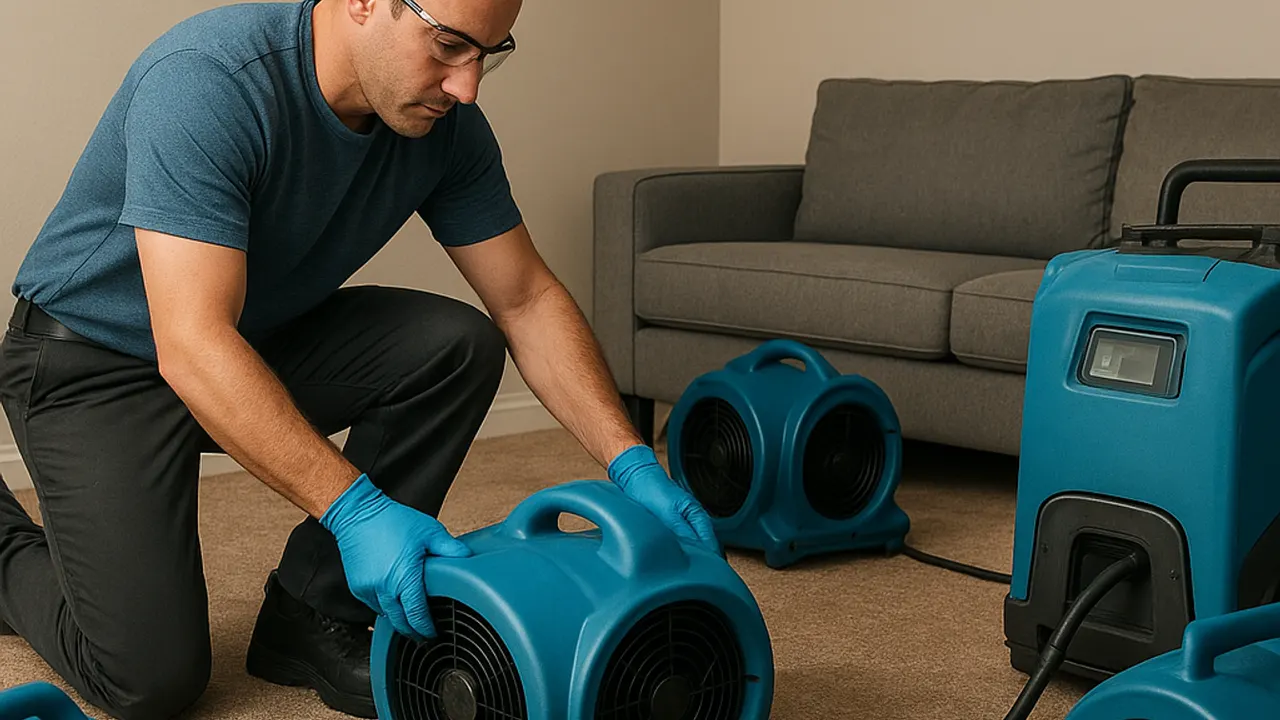
Air movers and a commercial dehumidifier are placed to circulate air and remove moisture. Equipment placement accounts for the room layout, materials, and safe access. We tell you what needs to remain accessible and when the area should be checked again.
We review the work completed, areas that remain damp, and any material or plumbing repair concerns. You can use the documented locations to coordinate follow-up work. We distinguish cleanup from reconstruction so you know what has been addressed.
The approach is the same for a home and a business. What changes is the access, the schedule and who needs the paperwork.
We help homeowners and tenants address leaks in kitchens, bathrooms, basements, and laundry areas. We explain which belongings to move and what surfaces need drying.
We coordinate cleanup with owners and property managers across affected rooms or units. We identify access needs and explain equipment placement before work starts.
A plain-language look at what Water Leak Cleanup involves and when it is needed.
See how it worksWater leak cleanup Indianapolis IN is a property water-removal service that extracts leaked water and dries affected building materials after a plumbing or appliance failure. We start by identifying the water source and affected rooms, then remove standing water with extraction equipment and check floors, baseboards, and accessible wall areas for retained moisture. The right approach depends on the material: water-damaged carpet and carpet padding may need separate extraction, while wet drywall or insulation requires careful assessment before drying or removal. We explain what we find and what the cleanup involves.
Indianapolis homes face leaks from supply lines, water heaters, washing machines, and sump pump failure; freeze-thaw swings and heavy rain can also expose weak connections or add basement water. In older homes around Marion County, water can travel behind baseboards or beneath hardwood before a stain appears. If you need help cleaning up a hidden water leak in Indianapolis, we trace moisture with inspection tools, remove accessible water, and set drying equipment based on readings rather than guesswork.
Remove pooled water, check affected materials, then dry and recheck the space.
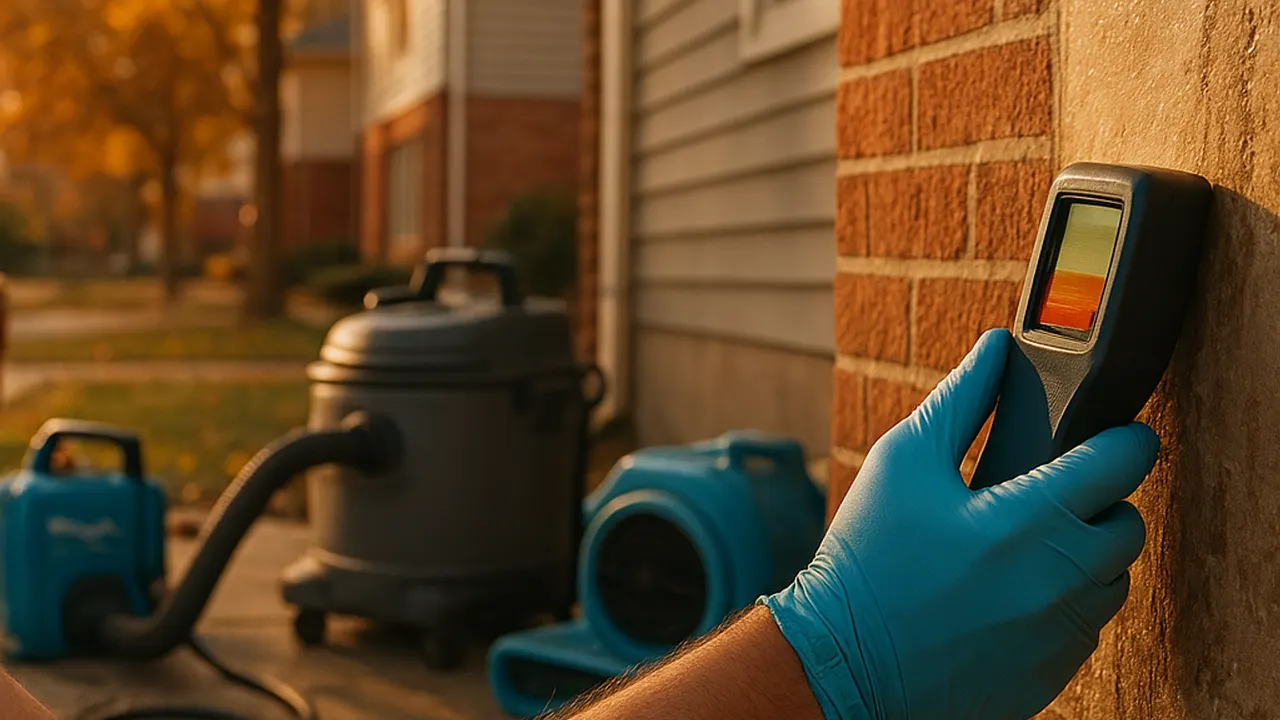
Water leak cleanup in Indianapolis follows a practical sequence: contain the affected area, remove water, then dry and recheck materials. We explain each step as we work so you know what is happening in your home and what to expect after equipment is set.
We begin with your description of the leak, when it started, and whether the water source is stopped. Our team walks the affected rooms, checks for standing water and visible damage, and identifies nearby electrical or access concerns. A focused walkthrough often takes 15 to 30 minutes, depending on the number of rooms and how far water traveled.
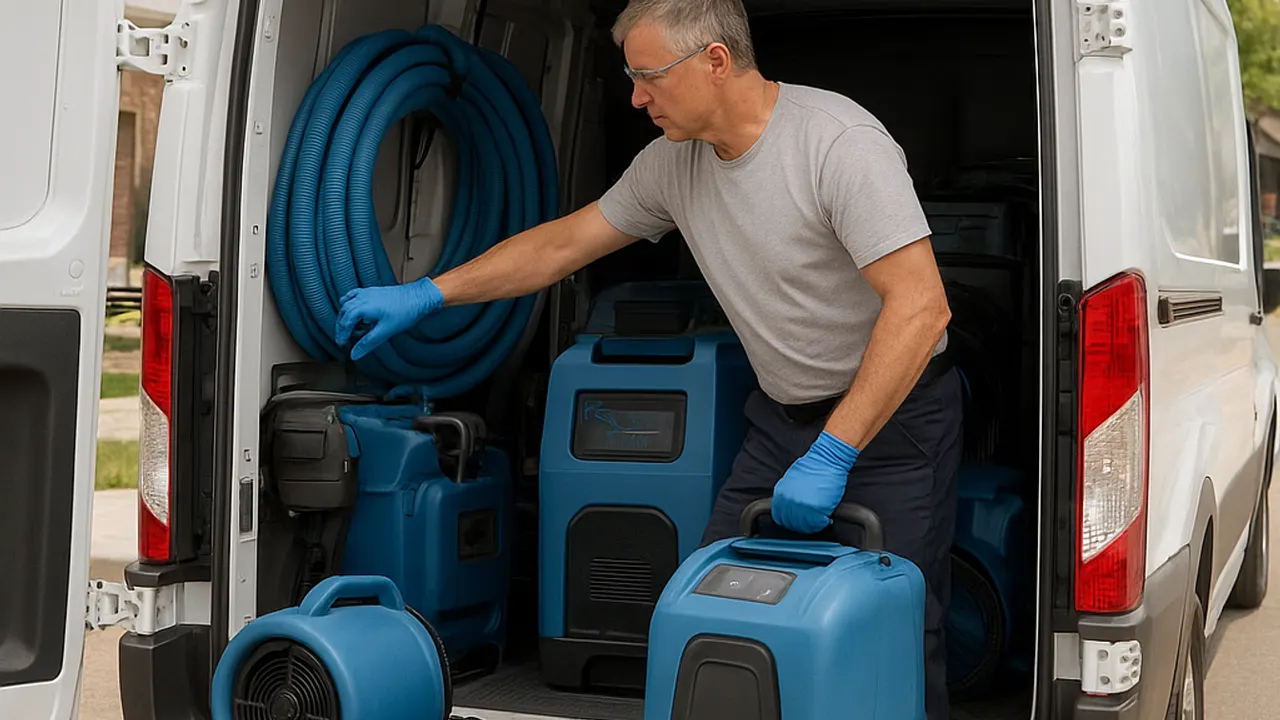
We look for the origin and extent of the water before setting equipment. A moisture meter helps compare affected and dry areas; thermal imaging can help identify temperature patterns that merit closer inspection, but readings are verified directly. If a supply line or appliance is still leaking, we explain that the source must be controlled before drying can finish.
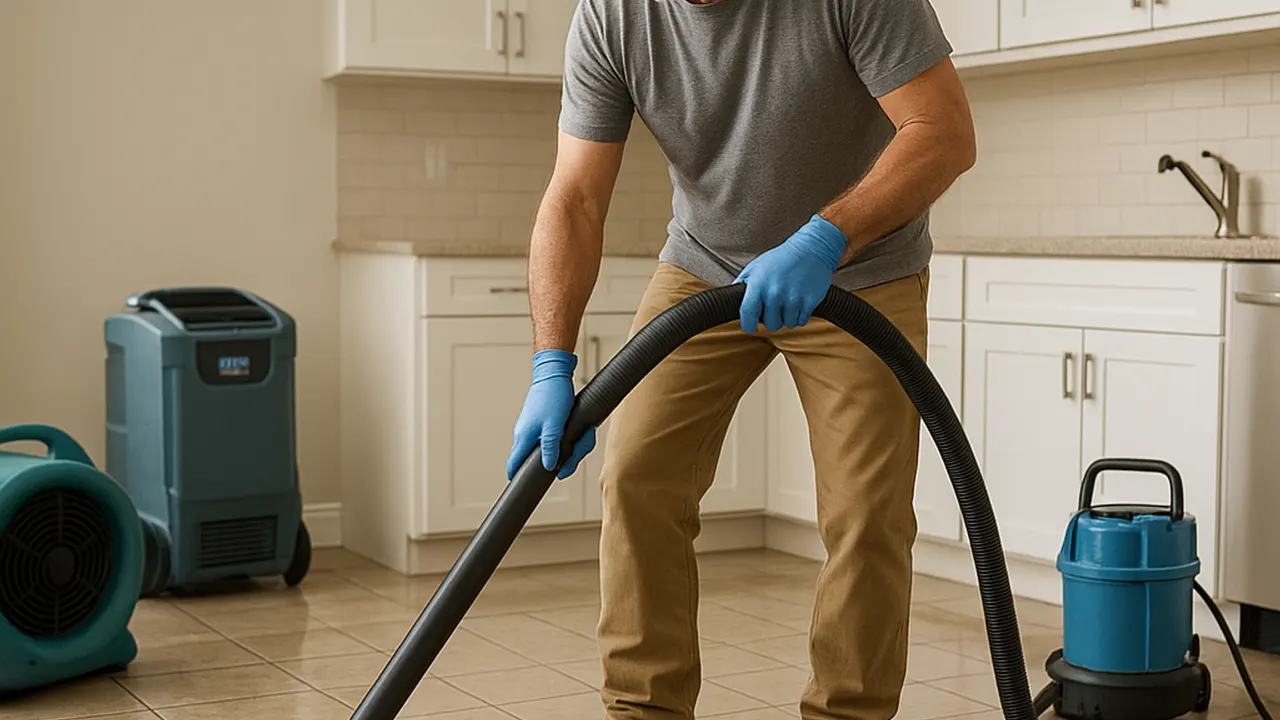
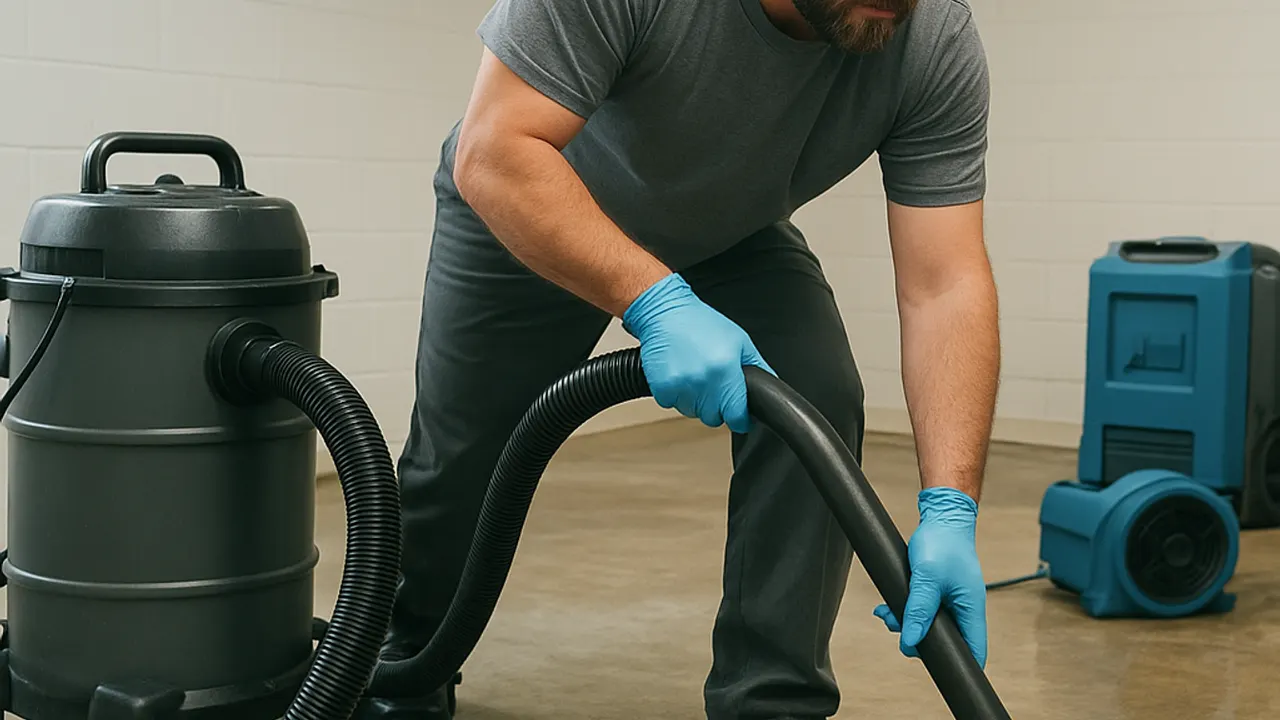
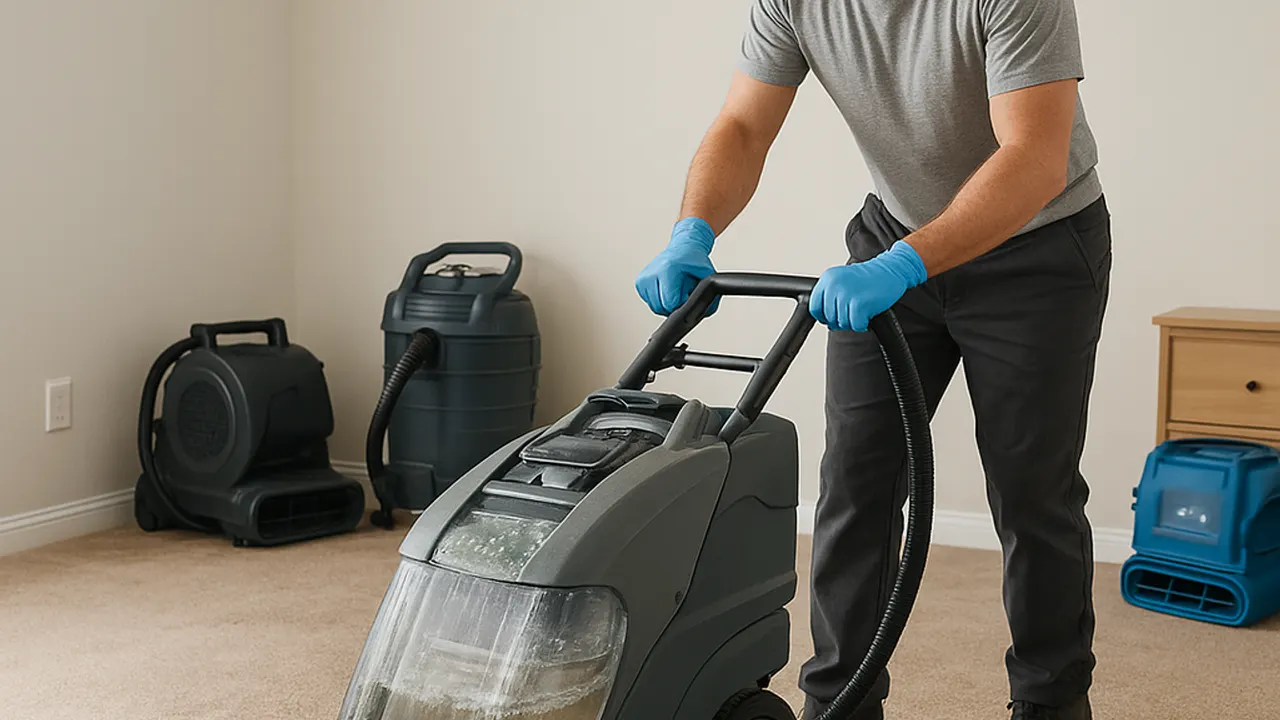
We remove standing water with a portable extraction unit or, for larger volumes, a truck-mounted water extraction unit. A submersible pump may be used in a flooded basement before detailed floor extraction begins. Extraction time ranges from about 30 minutes to several hours, based on depth, floor area, and how much water remains in materials.
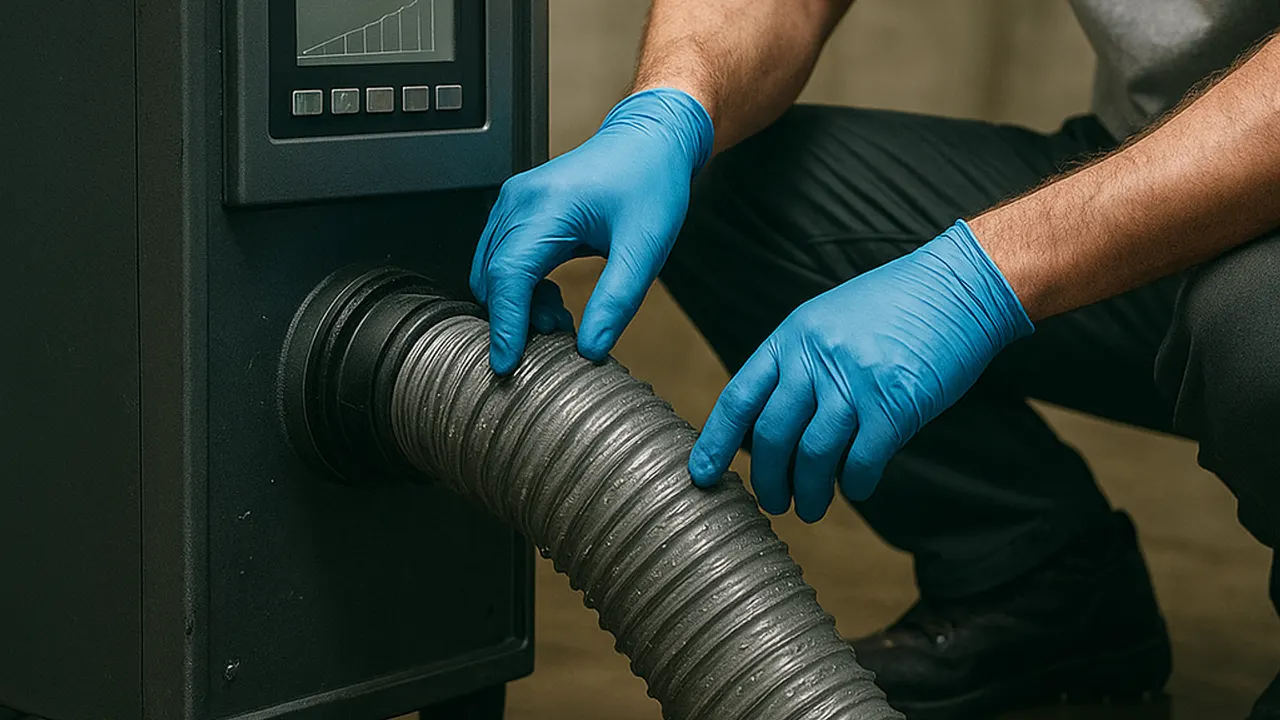
We place air movers to circulate air across wet surfaces and a commercial dehumidifier to collect moisture from the room. We protect nearby belongings and route equipment cords carefully. You receive an explanation of equipment noise, access needs, and the areas we plan to recheck; drying often continues for 24 to 72 hours, with conditions determining the schedule.
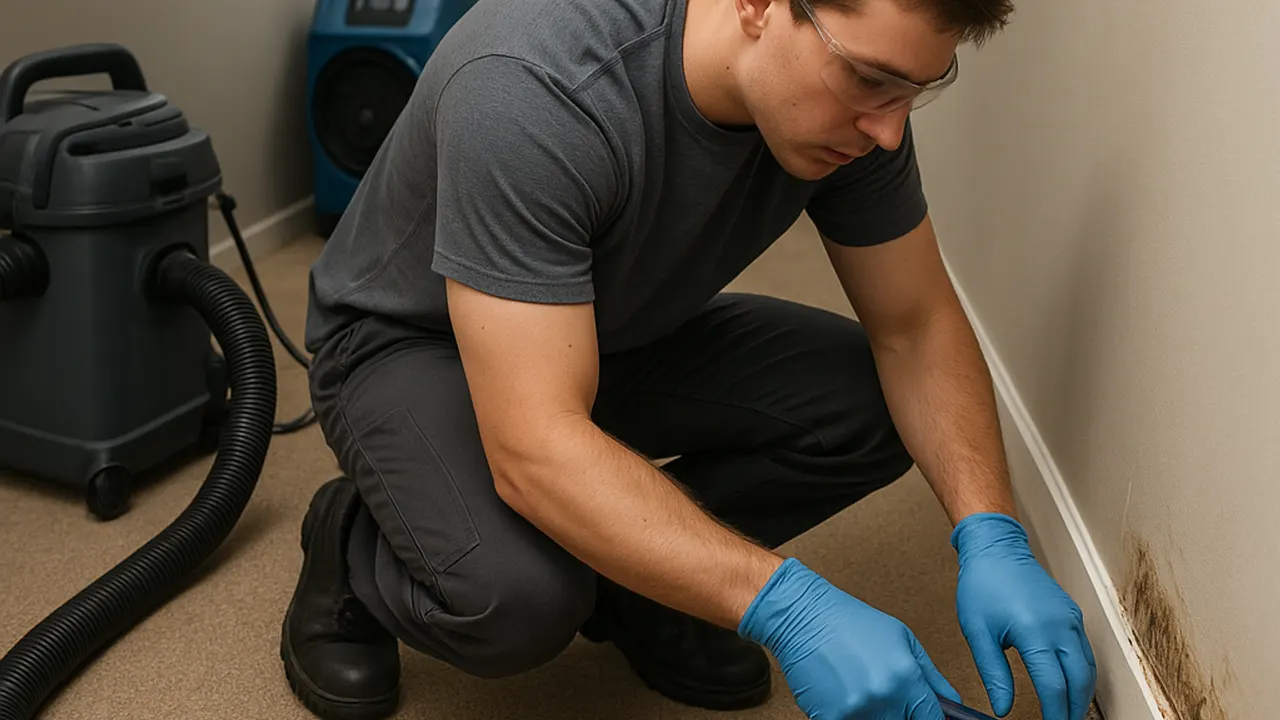
We revisit or recheck readings to see whether materials are approaching dry conditions and adjust equipment when needed. At the end, we review affected locations, any materials that need repair, and practical steps to reduce recurrence. Cleanup does not repair the plumbing source, so we make that distinction clear before closing out the work.
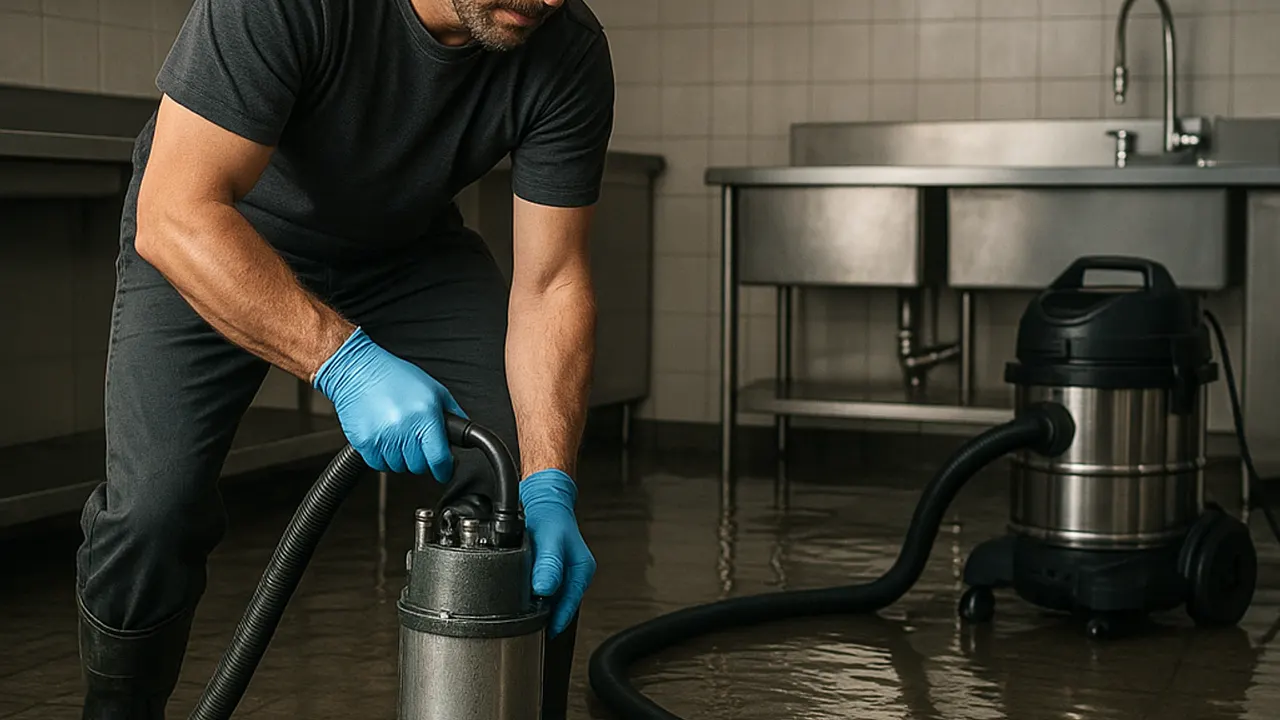
Move across a circle, or focus it and press Enter, for an illustrative thermal view of the photograph.
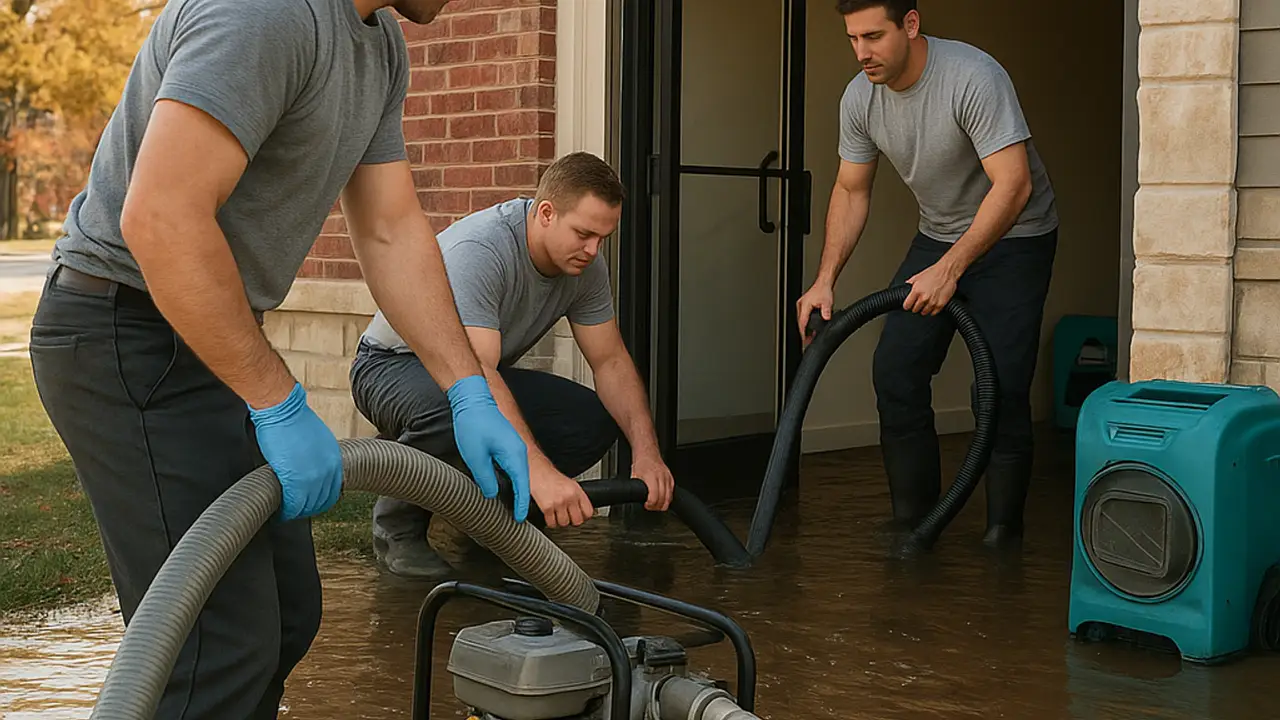
We use it to remove large amounts of water from accessible floors efficiently, especially when several rooms or a broad basement area are affected.
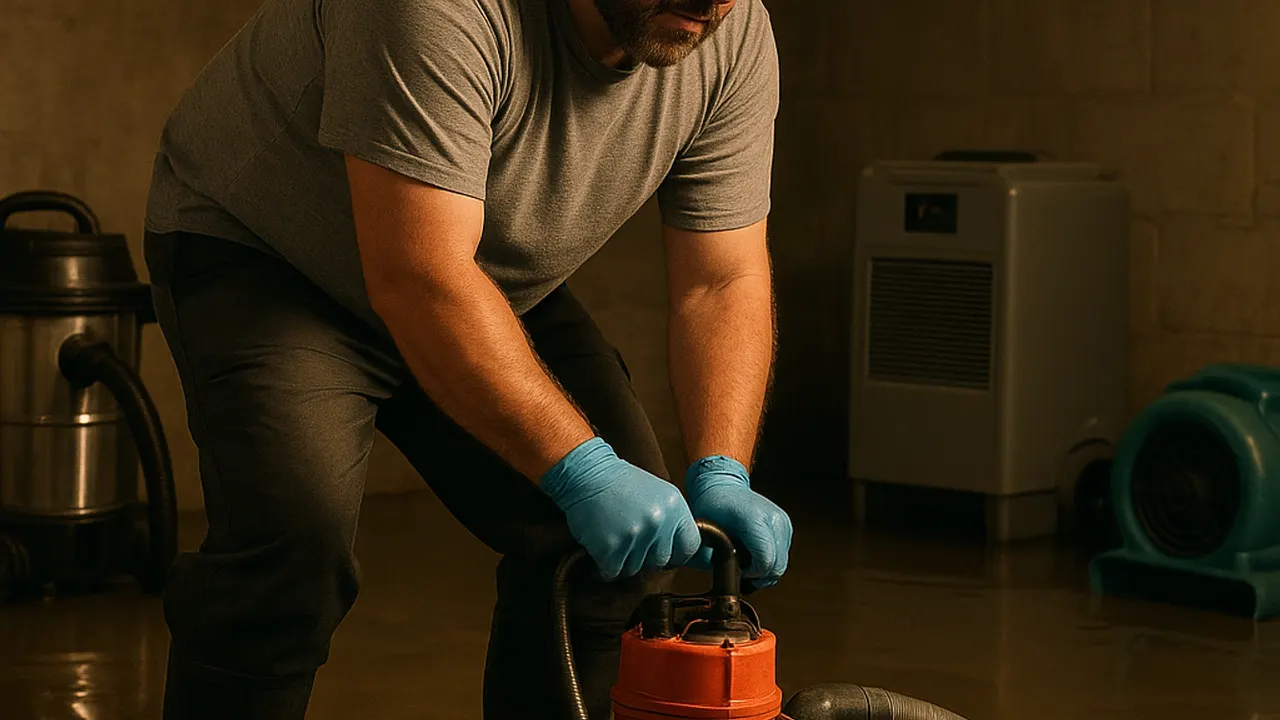
A portable unit reaches smaller rooms, upper floors, and tight access points where a truck-mounted hose setup is less practical.
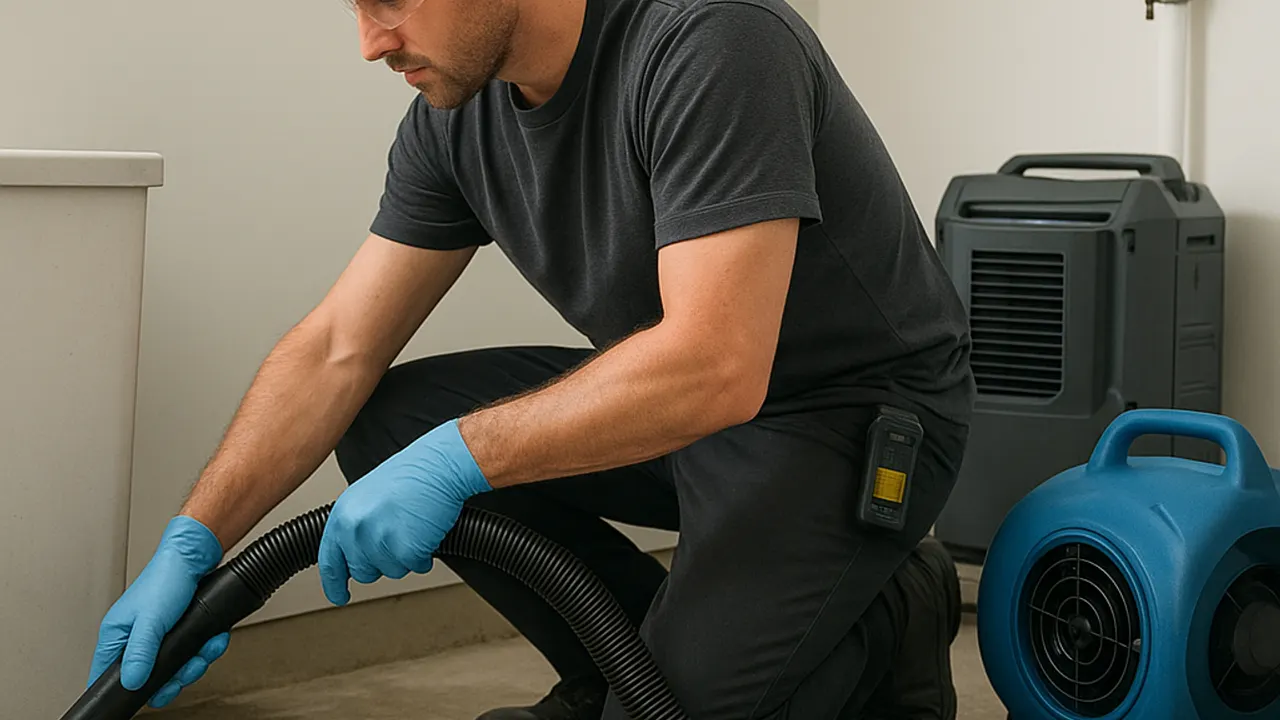
We check surface and material moisture at selected locations and compare affected areas with nearby dry reference points.
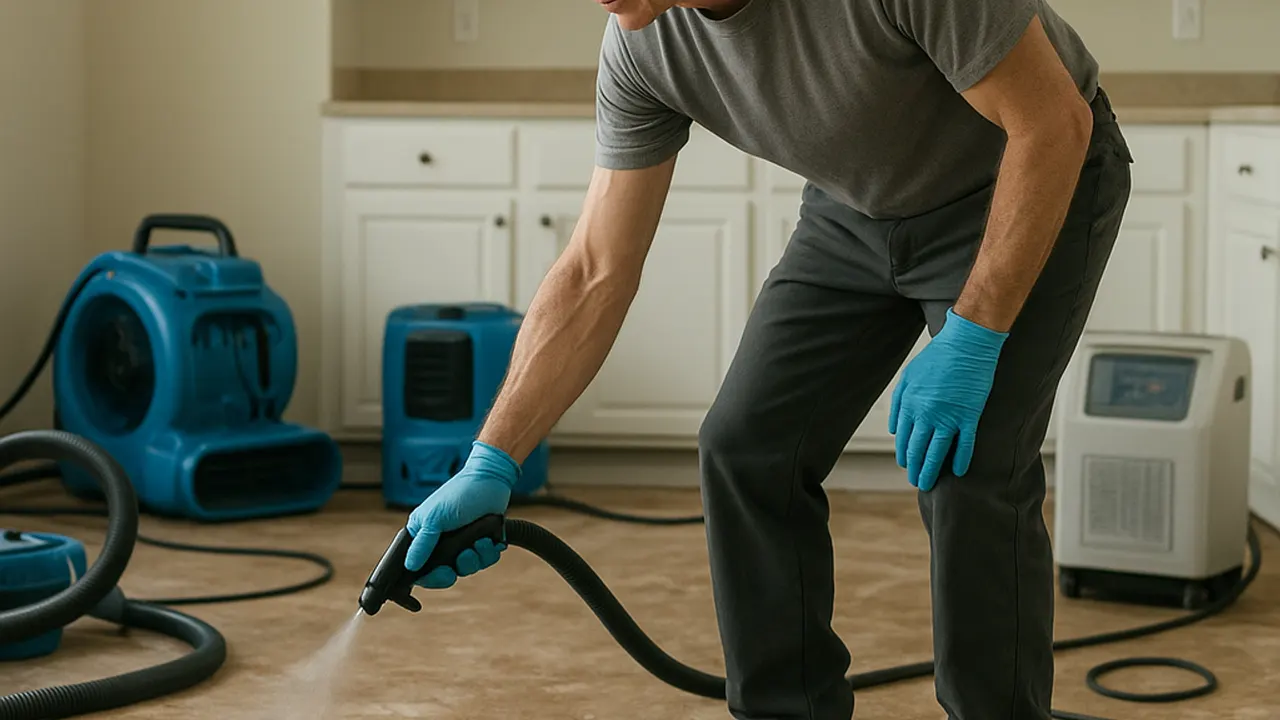
We direct airflow across wet materials to support evaporation, positioning units to suit the room layout and the surfaces being dried.
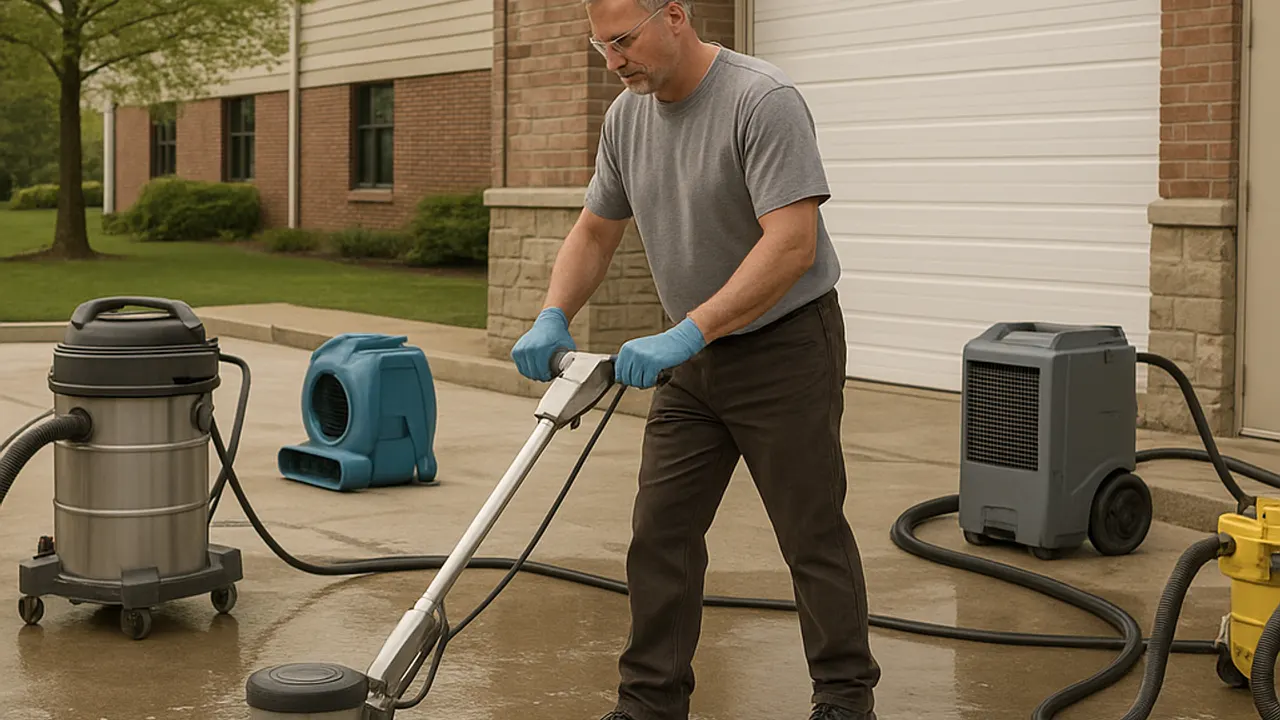
It collects moisture from the air during structural drying, helping manage indoor humidity while affected materials release water.
Thermal views are illustrative, generated from the photographs.
Dri-Eaz restoration equipment is used in water-damage work for extraction or drying applications, selected according to the job conditions.
We first establish whether water is still entering the property. Once the source is controlled, we remove standing water from the affected area and check low points, edges, and transitions. Extracting bulk water before setting drying equipment prevents fans from simply moving air over a room that still contains pooled water.
We check affected materials and compare readings with nearby areas that appear dry. Carpet, wood flooring, drywall, and baseboards do not respond identically, so we avoid relying on one reading or a visual impression. Findings guide equipment placement and help identify when concealed areas need separate access.
We arrange air movement and dehumidification to support drying while maintaining safe access through the room. Equipment is monitored and adjusted as conditions change. The ANSI/IICRC S500 Standard for Professional Water Damage Restoration provides an industry reference for professional water damage work, while each property still requires a plan suited to its materials and conditions.
We keep unaffected areas clear, route cords to reduce trip hazards, and protect belongings where practical. If cleaning or material removal is needed, we explain which area is involved and why. The work area stays organized so you can understand what has been extracted and what remains under observation.
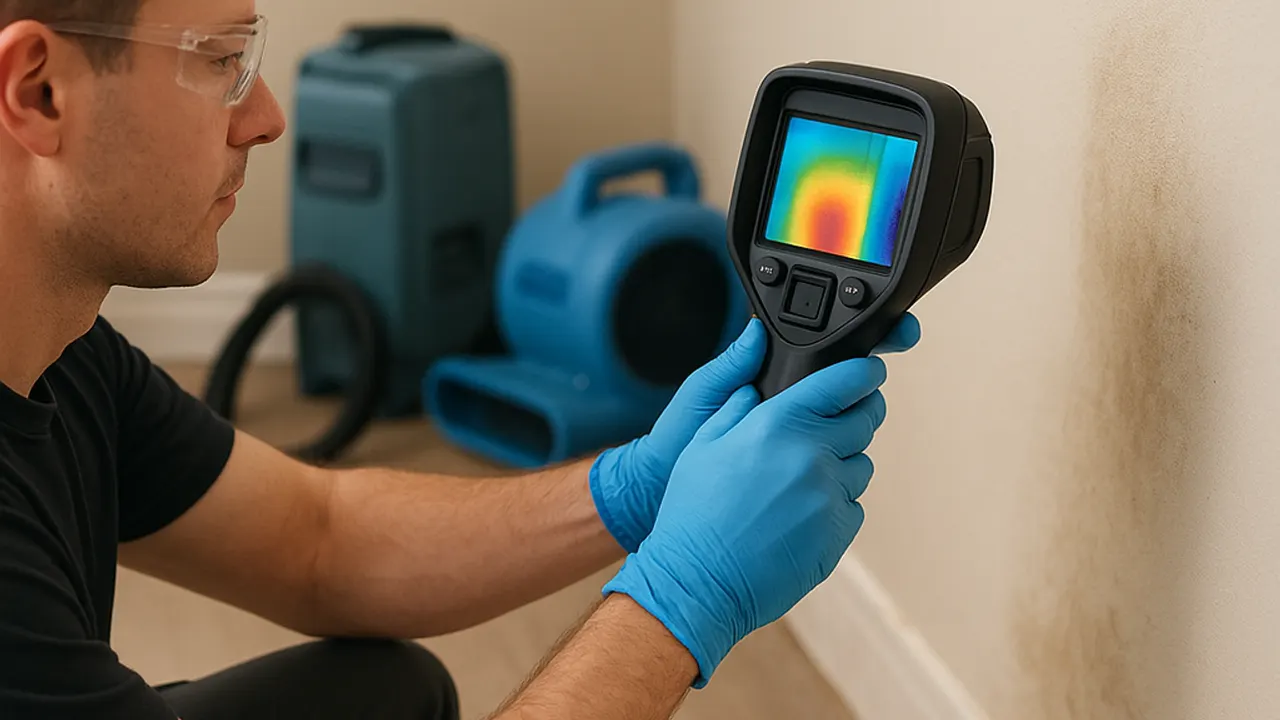
A supply line breaks overnight in a Meridian-Kessler home and water reaches the kitchen and hallway.
We confirm whether the water has been shut off, walk the affected route, and extract water from accessible flooring. We check transitions into the hallway and nearby baseboards, then set drying equipment where readings show retained moisture. You receive a clear summary of areas checked and what needs follow-up.
Outcome: The immediate water is removed, damp areas are identified, and you have a practical drying plan before the leak causes more disruption.
A water heater leaks into a Broad Ripple basement shortly before a family gathering.
We remove pooled water first, using a pump if depth requires it, then extract remaining water from the floor and affected carpet. Our team checks nearby stored items and lower wall edges. We explain which equipment must remain in place and what materials need another look.
Outcome: The basement is cleared of standing water, affected contents are identified, and drying can proceed without guessing at the wet area.
A second-floor bathroom leak in a Downtown Indianapolis apartment leaves a ceiling stain below.
We inspect the bathroom and accessible ceiling area below, identify visible water travel, and remove water where accessible. We coordinate the cleanup around resident access and explain that concealed ceiling materials may need opening by a repair professional if readings or damage indicate trapped moisture.
Outcome: Both affected areas are documented, immediate water is addressed, and the property manager can coordinate plumbing and repair work.
A small pipe leak behind a laundry appliance leaves a musty smell but no visible puddle in Irvington.
We check the appliance connections and nearby floor and baseboard surfaces for signs of moisture. Targeted readings help us assess accessible materials, while we explain limitations around closed wall cavities.
Outcome: You learn whether the accessible surfaces are damp, what needs drying, and whether the hidden source requires additional investigation.
Indianapolis properties range from older homes with plaster, hardwood, and finished basements to apartments and newer buildings with compact utility spaces. A leak can travel below flooring or along framing before it appears in the room below. Our Indianapolis water leak cleanup service begins with the visible route, then checks accessible adjacent materials so the drying plan fits the building.
Fall and winter temperature changes can stress plumbing lines, while spring storms and heavy rain can complicate a basement leak or sump pump problem. If you need water extraction and drying after a leak Indianapolis IN, tell us whether the water is clean supply-line water, appliance discharge, or another source; that affects safe handling and cleanup decisions.
We serve Marion County and work in homes, rentals, and commercial properties throughout the city. For older finishes, we take care around hardwood and plaster; for carpeted rooms, we check the padding rather than judging by the carpet surface alone. We explain what can be verified without opening a wall and how to coordinate plumbing repair, drying, and any later reconstruction.
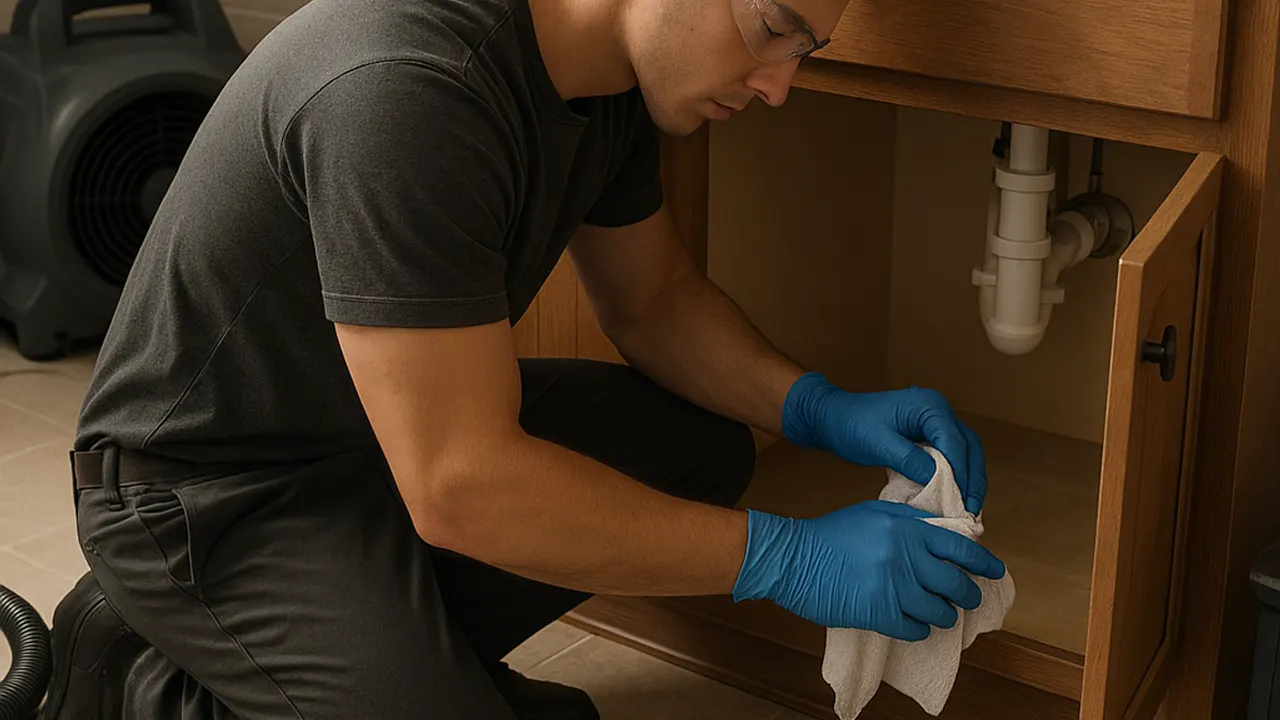
Before: A supply line beneath a kitchen sink leaked overnight in an Indianapolis home. Water reached the cabinet toe-kick and spread across roughly 90 square feet of flooring before the homeowner found it. The visible puddle was small by morning, but the cabinet base and flooring edges remained damp.
After: We extracted accessible water, checked the cabinet base and flooring perimeter, and placed drying equipment across the affected area. Follow-up readings over the next 48 hours helped track conditions. The homeowner received a clear record of the areas checked and the materials that needed repair attention.
Check sink connections every few months and look beneath the cabinet after plumbing work. A dry paper towel placed around fittings can reveal a slow drip before it reaches the floor.
Before: A leaking water heater left about 1 inch of water across a 160-square-foot basement section. Boxes and a carpet edge were wet, and water had collected against the baseboard. The owner had shut off the heater but had not removed the remaining water.
After: We pumped out the pooled water, extracted the carpeted edge, and checked accessible baseboard and floor areas. Air movers and a dehumidifier ran during the drying period, with a recheck at 24 hours. The owner could see which belongings were affected and what needed replacement or repair.
Inspect the water heater pan and nearby floor monthly for rust, dampness, or fresh mineral marks. Keep stored boxes elevated several inches so a small leak is easier to spot.
Before: A bathroom pipe leak in an Indianapolis apartment stained a ceiling below and dampened a small section of hallway flooring. The resident reported the leak after noticing a spreading mark, but the water source was not immediately obvious from the lower unit.
After: We checked the bathroom and accessible ceiling and floor areas, removed water from the hallway surface, and documented the affected locations. The property manager coordinated plumbing repair and further ceiling access. Cleanup findings helped separate visible water removal from the later repair work.
After plumbing repairs, check the ceiling mark and nearby flooring over the next several days. Report any new staining, soft spots, or musty odor promptly so concealed moisture can be assessed.
Water leaks rarely stay where they first appear. Moisture can travel below carpet, behind baseboards, or along a wall before you see a stain. We trace accessible signs, extract water, and explain what the building materials need next. Early action limits the time wet materials remain in place.
Less standing water, clearer findings, and a drying plan matched to your property.
We extract pooled water before it spreads farther into flooring and wall edges. For a large affected area, a truck-mounted water extraction unit moves more water than a household wet/dry vacuum. The crew checks the floor after extraction and identifies low spots where water can remain.
A moisture meter helps us compare damp areas with unaffected materials nearby. We check visible surfaces and accessible edges, then record readings to guide drying. This makes it easier to tell whether carpet padding, drywall, or baseboards need continued attention instead of relying on touch alone.
We position air movers to circulate air across wet surfaces and use a commercial dehumidifier to remove moisture from the room. Hardwood, laminate, and carpet respond differently, so placement and monitoring matter. We adjust the setup as readings change and explain which areas need another check.
You learn what was extracted, what materials were checked, and whether further repair is needed. If the source is still active, we point out the need to stop it before drying can succeed. For cleanup after a plumbing leak Indianapolis IN, that sequence helps keep the water problem from returning.
Clear records you can keep and share.
Selected moisture readings by affected area.
Images of visible water impact and work areas.
Drying units placed and locations covered.
Work completed and recommended next steps.
Removing water is the first phase; drying and repair address different parts of the recovery.
Clears pooled and accessible water from affected surfaces.
Uses airflow and dehumidification to reduce retained moisture.
Addresses damaged building materials after cleanup findings.
A list like this tells people straight away whether you cover their street. Not listed? Call and ask: it only takes a minute.
Based in Indianapolis and covering the places around it. Pick one for local details.
Water Pump Masters handles emergency water leak cleanup Indianapolis IN for residential and commercial properties. Call 3177928700 and tell us the water source, whether it is still active, and which rooms are affected. We can explain the immediate extraction steps and assess the wet area. If a pipe or appliance continues leaking, stop the source when safe or contact the appropriate plumbing professional; extraction and drying cannot prevent repeat damage while water continues entering.
Start removing accessible water as soon as the leak is stopped, ideally within the first few hours. Standing water can spread into carpet padding, baseboards, and flooring seams, while prolonged dampness raises the risk of secondary mold growth. Keep away from water near electrical hazards and avoid lifting heavy saturated materials alone. Our crew can assess the area, extract water, and set drying equipment; drying commonly continues for 24 to 72 hours depending on readings.
Yes, leak water damage cleanup Indianapolis includes checking affected areas and setting drying equipment when the job requires it. We use moisture readings to guide air mover and dehumidifier placement, then recheck conditions rather than assuming a surface feels dry. Hidden spaces that cannot be accessed without opening a wall are handled as a separate repair decision. We explain what we measured, what remains affected, and whether additional restoration work is appropriate.
If it is safe, shut off the water source and keep people away from standing water near outlets or appliances. Move small valuables from the wet area, but do not carry heavy saturated furniture or remove wet drywall yourself. Take a few photos and note when the leak began. For same-day cleanup after a leaking pipe Indianapolis, tell us the source, affected rooms, and whether the leak has stopped when you call 3177928700.
Other services from the same team.
Tell us where the water is, what caused the leak, and whether the source is stopped. We will explain the cleanup steps and answer your questions directly. Call Water Pump Masters at 3177928700 to discuss your Indianapolis property.
Call 317-792-8700 to describe a leak, flooded basement, or water-soaked floor and get connected with an independent service company. Share your Indianapolis neighborhood, the water source, and whether the water is still spreading. Hours vary by company, so call to discuss urgent needs and the next practical step.