Water damage inspection Indianapolis IN for hidden leaks
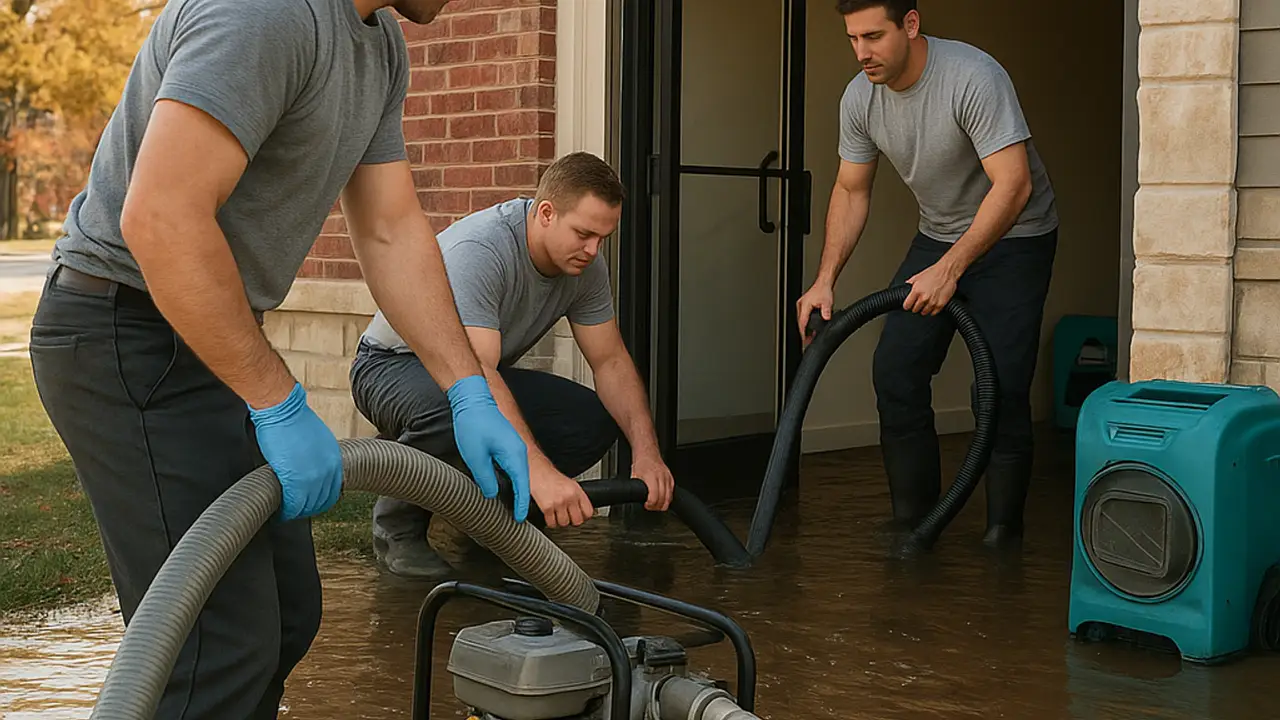
Water damage inspection Indianapolis IN helps homeowners, landlords, and businesses find where water traveled before wet materials turn into larger repairs. We inspect visible damage, check likely moisture paths, and explain what needs attention after a leak, basement flooding, or stormwater intrusion. If you have standing water or a ceiling stain that keeps spreading, call Water Pump Masters to assess the affected areas and identify practical next steps.
Explain each readingWe show where and why we measure.
Check adjoining areasWe follow visible water paths.
Protect nearby contentsWe keep tools clear of belongings.
Record observationsWe note rooms, materials, and locations.
What your inspection covers
A standard inspection covers the reported incident, visible damage, accessible affected materials, moisture checks at suspect locations, and a plain-language review of findings. Destructive wall opening, plumbing repair, laboratory analysis, and full restoration are separate tasks because they require different work. You will know what we observed and what remains outside the visible inspection.
Incident and source review
We discuss when the water appeared, whether the source is controlled, and which rooms were affected. That history helps us follow the likely route from a leaking appliance, pipe, basement entry, or stormwater intrusion and focus the walk-through where it matters.
Visible material inspection
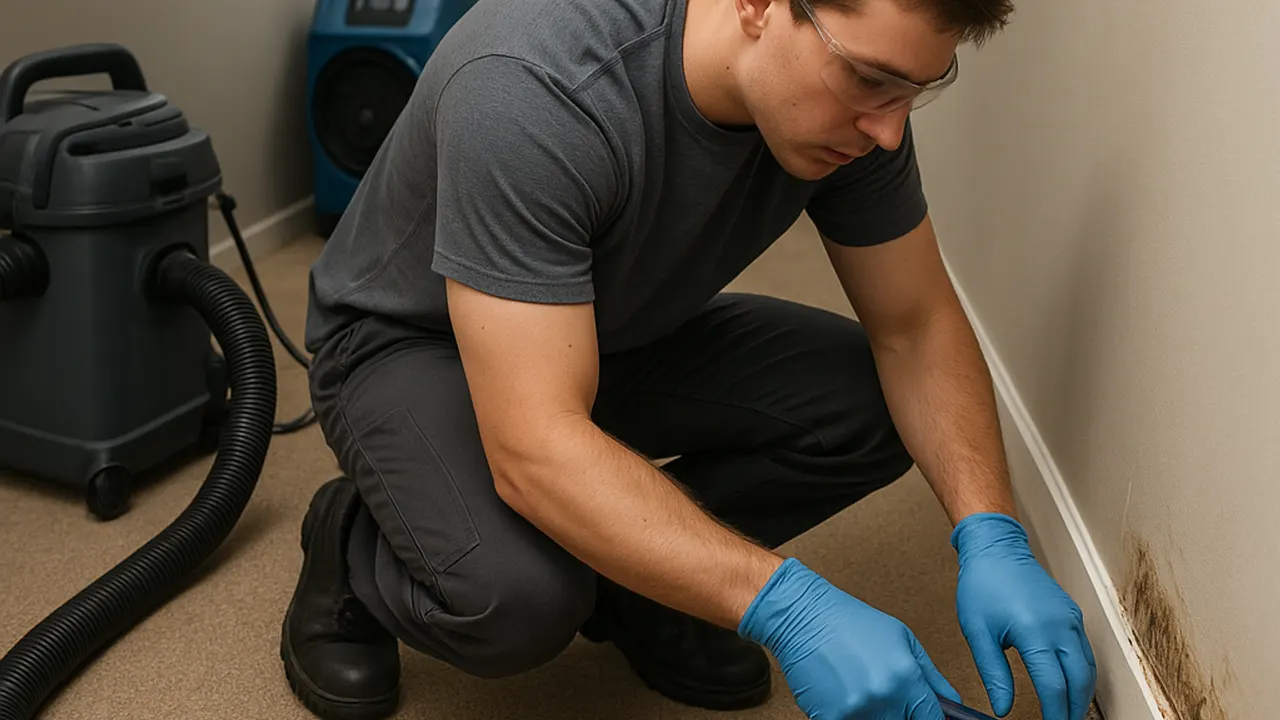
We examine accessible drywall, baseboards, flooring, carpet edges, and other reported surfaces for swelling, staining, separation, or dampness. We also look at adjacent areas where water could have moved, rather than stopping at the edge of the visible mark.
Moisture readings
We take readings at selected suspect locations and compare them with nearby unaffected material when practical. The measurement record identifies where we checked and what materials were involved, helping you compare later readings after drying or repair work.
Water-path observations
We trace visible indicators from the likely source toward affected rooms and note barriers or transitions that can redirect water. This is especially useful when water has moved beneath flooring or into a lower-level space but the original entry point is not obvious.
Next-step explanation
We review findings with you and explain whether the immediate need is water removal, drying, source repair, or additional access. You can ask about the purpose of each recommended step before deciding how to proceed with related cleanup or restoration.
Homes and businesses.
The approach is the same for a home and a business. What changes is the access, the schedule and who needs the paperwork.
Homes and rentals
We check the rooms you identify and nearby surfaces water may have reached. You can point out past leaks, odors, or repairs during the walk-through.
Basement flooding after heavy rain
Water heater leak near flooring
Burst pipe beside an exterior wall
Business properties
We inspect affected work areas and accessible adjacent spaces with you or your property manager. We document visible conditions to help plan cleanup and follow-up.
Ceiling leak above a sales floor
Water crossing a shared hallway
Sump pump failure in storage space
Water damage inspection Indianapolis IN: what we check
A plain-language look at what Water Damage Inspection involves and when it is needed.
Water damage inspection Indianapolis IN is a property moisture evaluation that identifies affected materials, traces likely water paths, and helps determine what needs drying or repair after a leak or flood. We walk through the reported area, look for visible changes in drywall, baseboards, flooring, and nearby finishes, then use a moisture meter or thermal imaging camera where conditions call for closer checks. The goal is to distinguish surface staining from continuing moisture and give you a clear record of what we observed, where readings were taken, and what action should follow.
Indianapolis properties face different water problems through the year: fall rain can expose drainage weaknesses, winter freezes can split pipes, and spring storms can push water into basements. A water damage assessment Indianapolis visit is useful after a sump pump failure, water heater leak, or burst pipe water damage, even when the floor looks dry. We help you inspect a home for hidden water damage Indianapolis IN by checking adjacent rooms, lower wall edges, and accessible areas around the original source. That early check helps limit secondary mold growth.
A useful inspection records where water traveled and which materials need attention next.
What it is
A property check that locates visible damage and measures selected suspect materials.
When needed
After a leak, flood, sump failure, or unexplained dampness.
What to expect
A walk-through, selected moisture checks, findings, and next-step explanation.
What happens during the visit
Water damage inspection in Indianapolis follows a practical sequence: establish what happened, trace the affected area, record conditions, and explain options. A straightforward visit often takes 60 to 120 minutes; larger properties or multiple wet rooms take longer. We keep you informed as we move through the property.
Discuss the event
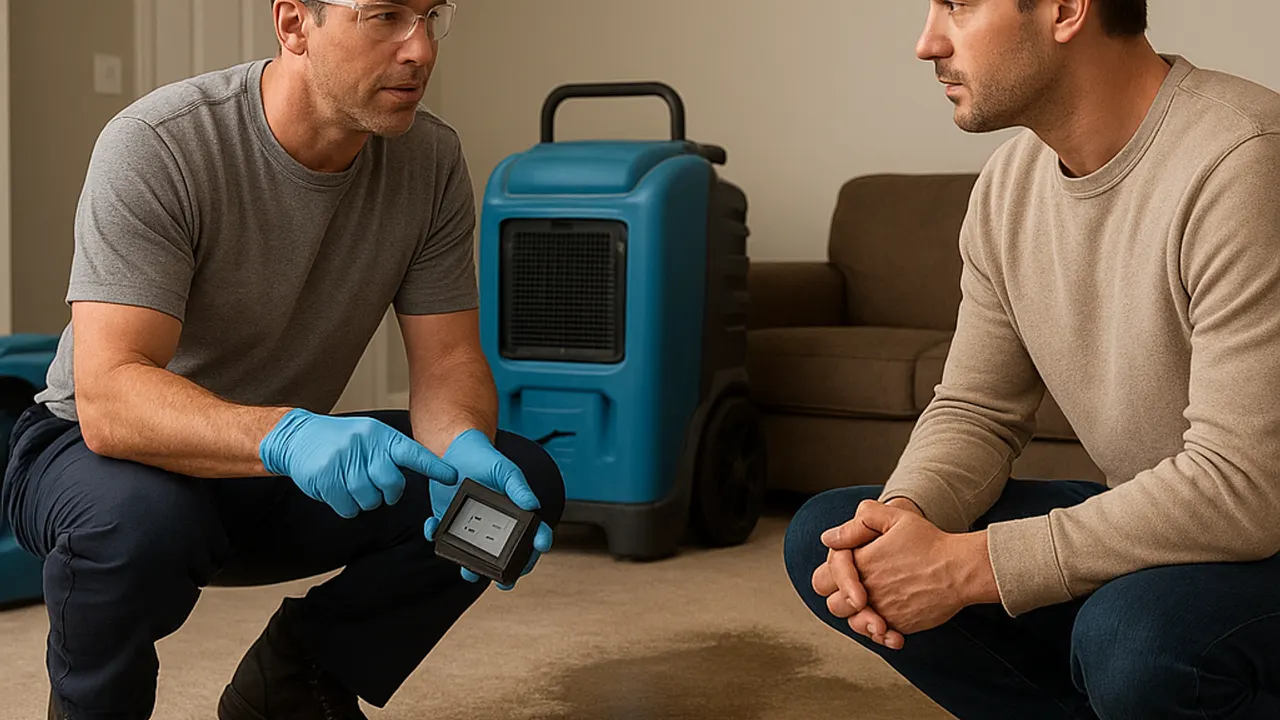
We start with when you noticed the water, what source you suspect, and whether the leak or flooding has stopped. Tell us which rooms were affected and whether water reached an electrical panel, furnace, or stored belongings. This opening conversation usually takes 10 to 15 minutes and helps us focus the walk-through on the highest-risk areas.
Incident history
Source details
Room priorities
Walk the affected rooms
Our team follows the visible water trail and checks nearby rooms, lower walls, floor transitions, and accessible plumbing or appliance areas. We look for swelling, discoloration, lifted flooring, and damp carpet edges. You can point out earlier stains or repairs; those details help us distinguish fresh damage from older conditions.
Walk-through
Surface checks
Water path
Measure and compare
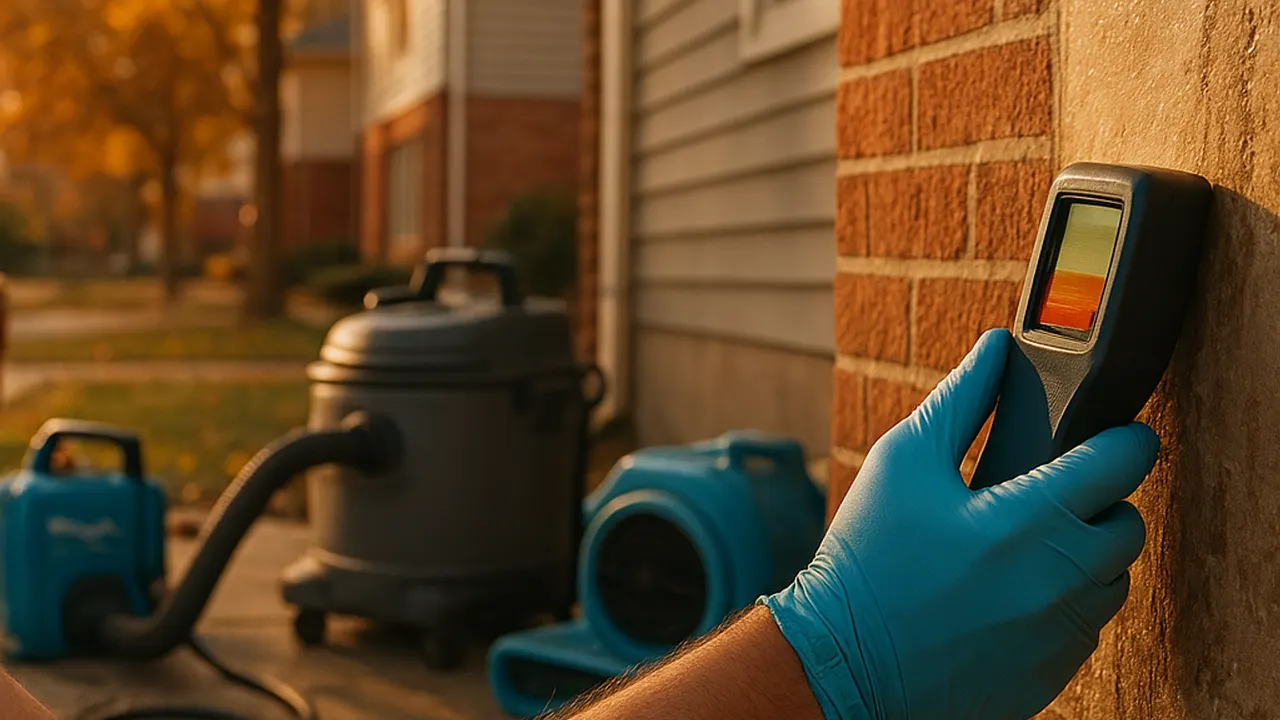
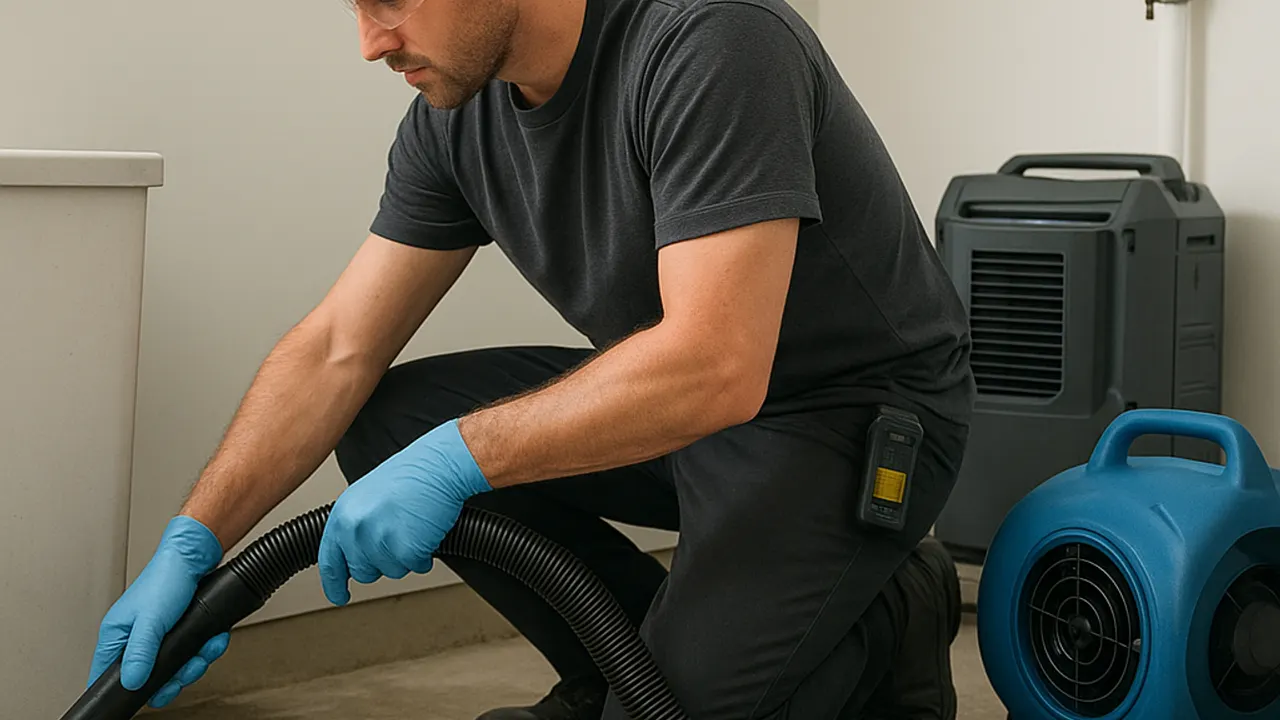
We use a moisture meter to compare suspect materials with unaffected reference points, then use thermal imaging where surface patterns call for a closer look. An infrared thermometer can help identify temperature differences, but it does not replace moisture readings. We explain each check while you are present and note where measurements were taken.
Moisture readings
Reference points
Tool explanation
Record the findings
If water-damaged carpet or drywall is involved, we identify the material and extent we can see without destructive opening. The inspection record gives you a room-by-room snapshot and distinguishes confirmed observations from areas needing further access.
Room notes
Material observations
Finding record
Explain the next move
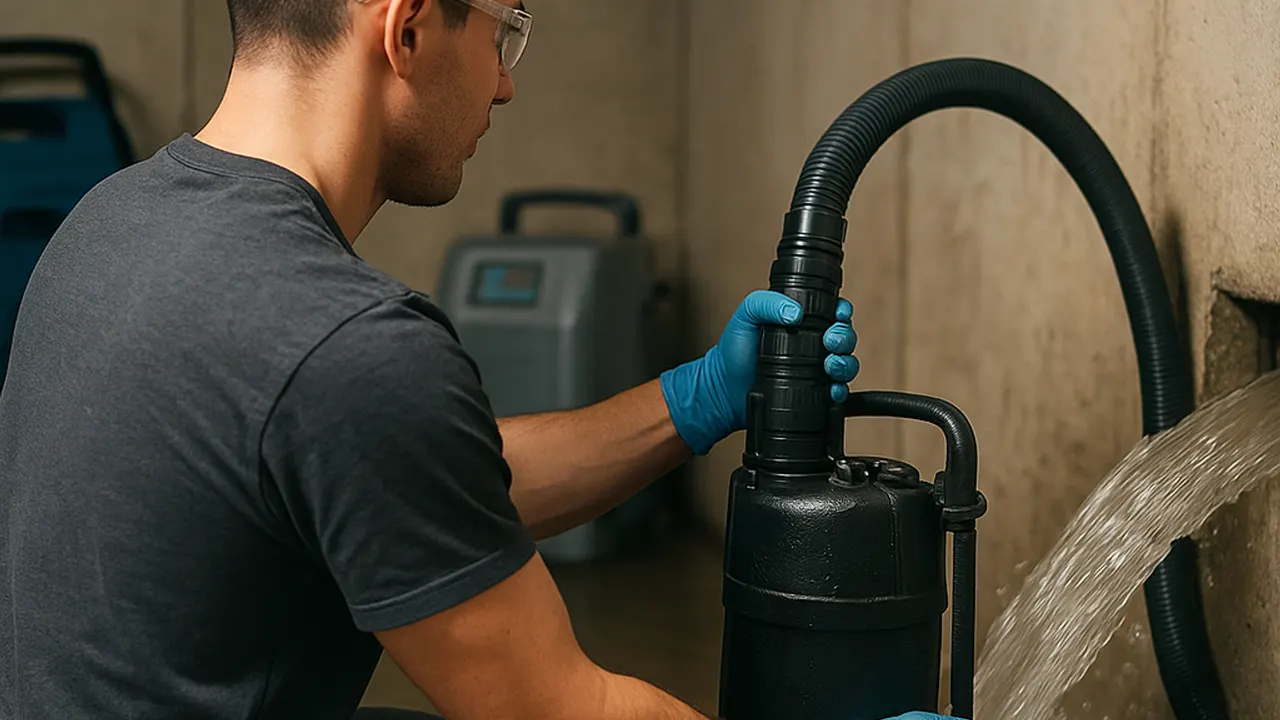
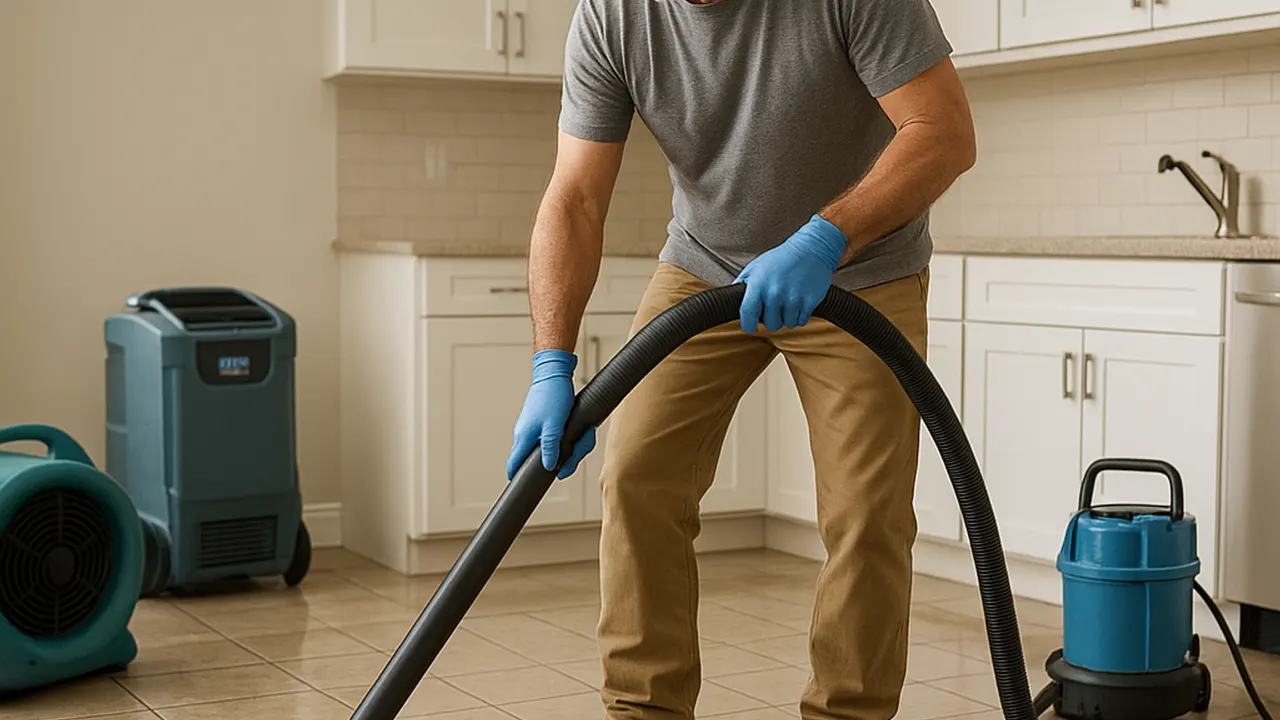
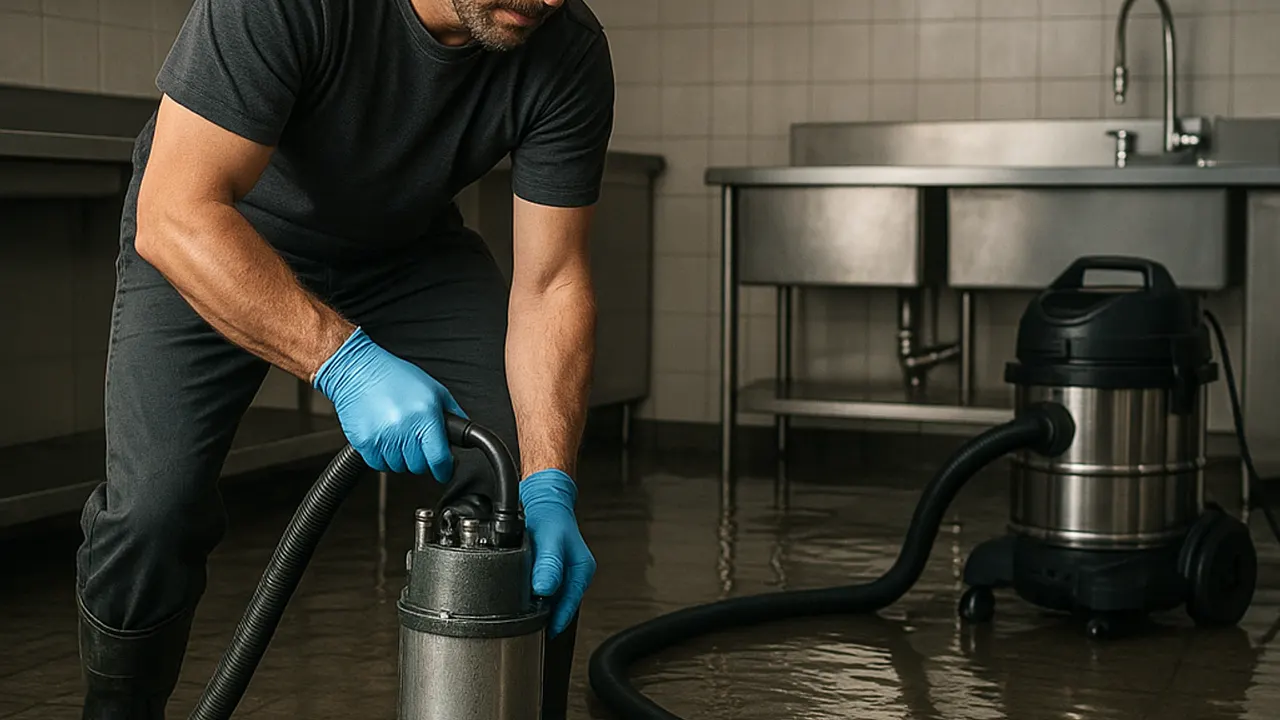
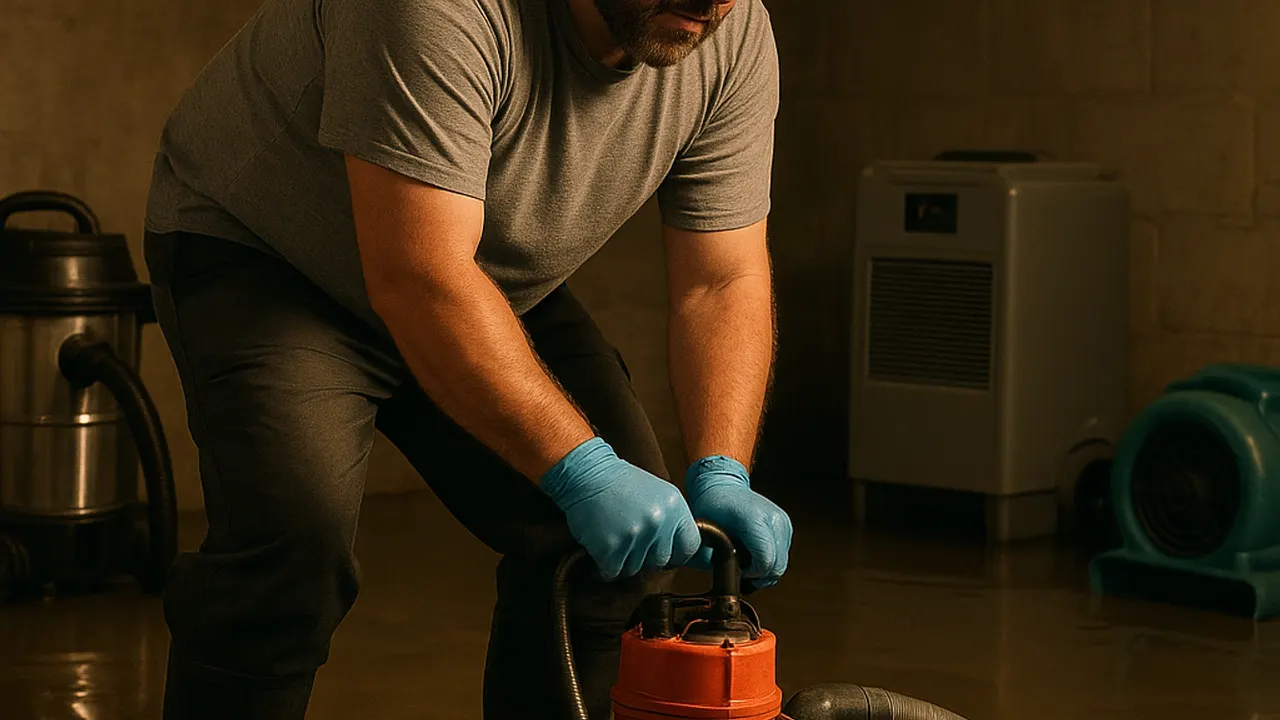
Before we leave, we review whether extraction, drying equipment, a plumbing repair, or restoration work is the sensible next step. If active water remains, a submersible pump or wet/dry vacuum may be needed before detailed drying begins. We answer your questions and explain what a follow-up moisture check should compare.
Review findings
Next steps
Follow-up checks
Tools and inspection methods
Move across a circle, or focus it and press Enter, for an illustrative thermal view of the photograph.
Moisture meter
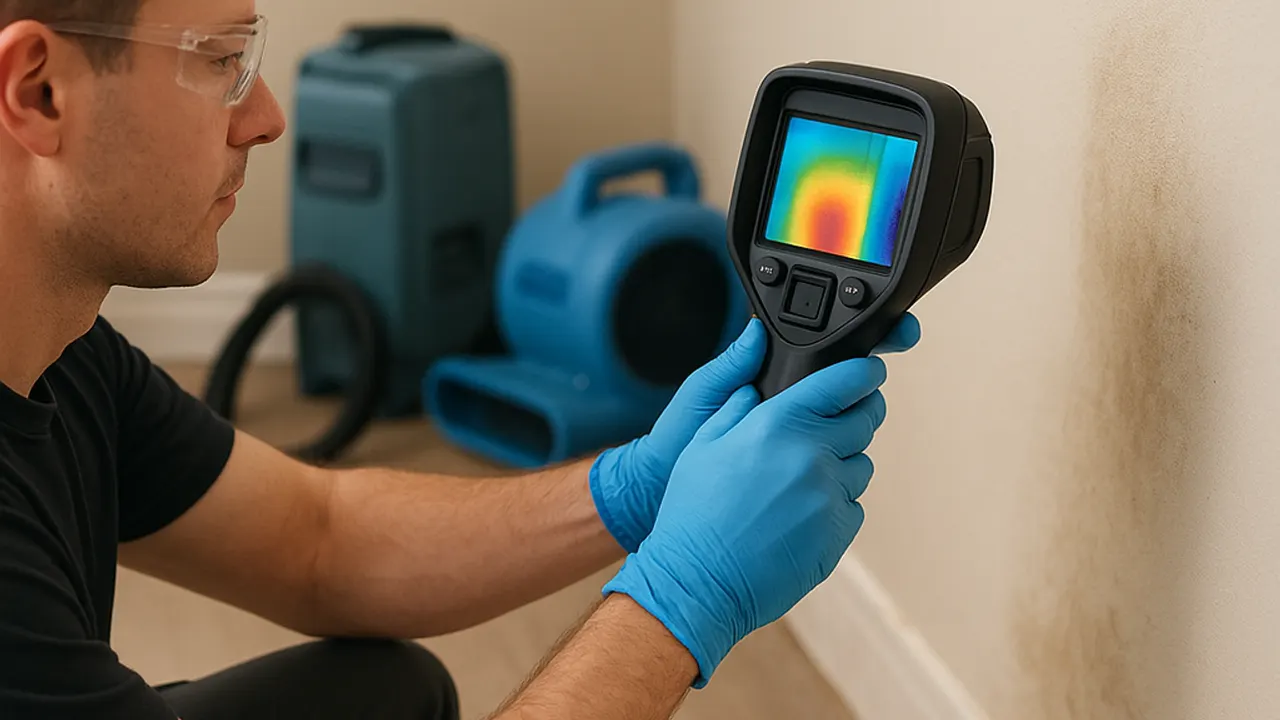
Thermal imaging camera
A thermal imaging camera helps us spot temperature patterns that may point to concealed moisture; we verify concerns with appropriate moisture checks.
Infrared thermometer
We use an infrared thermometer to compare surface temperatures and help interpret unusual patterns during a room-by-room inspection.
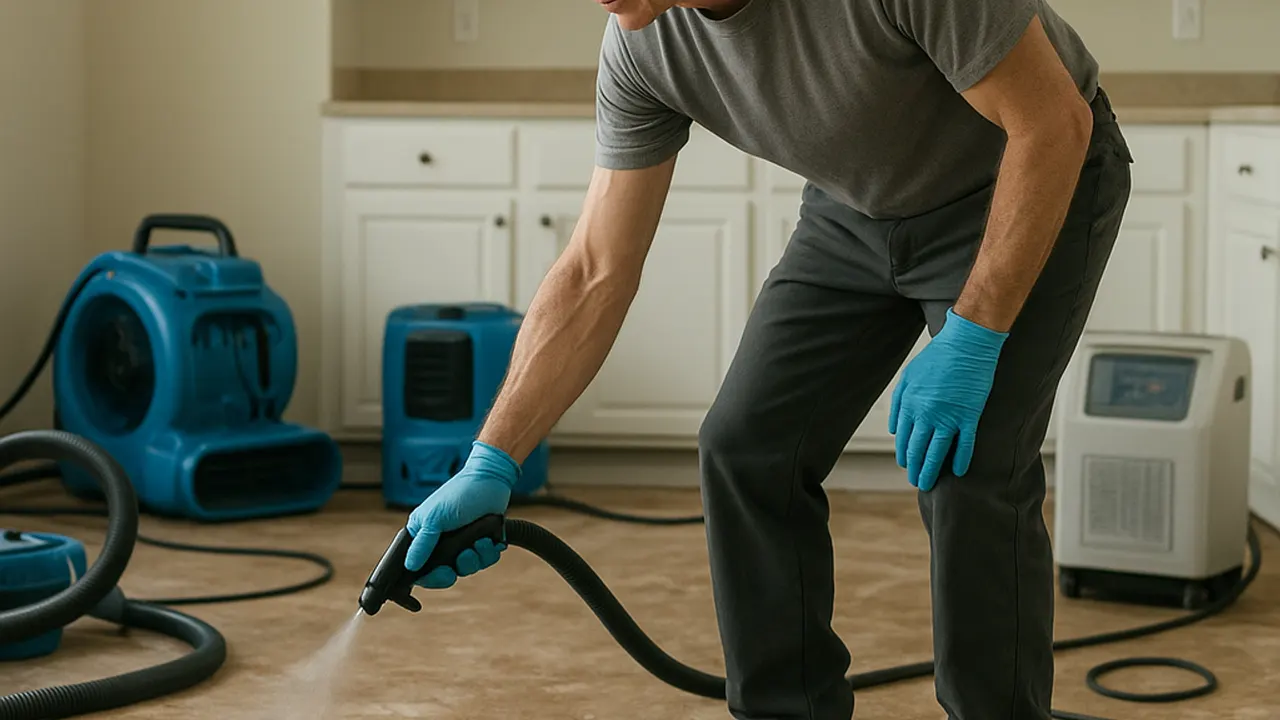
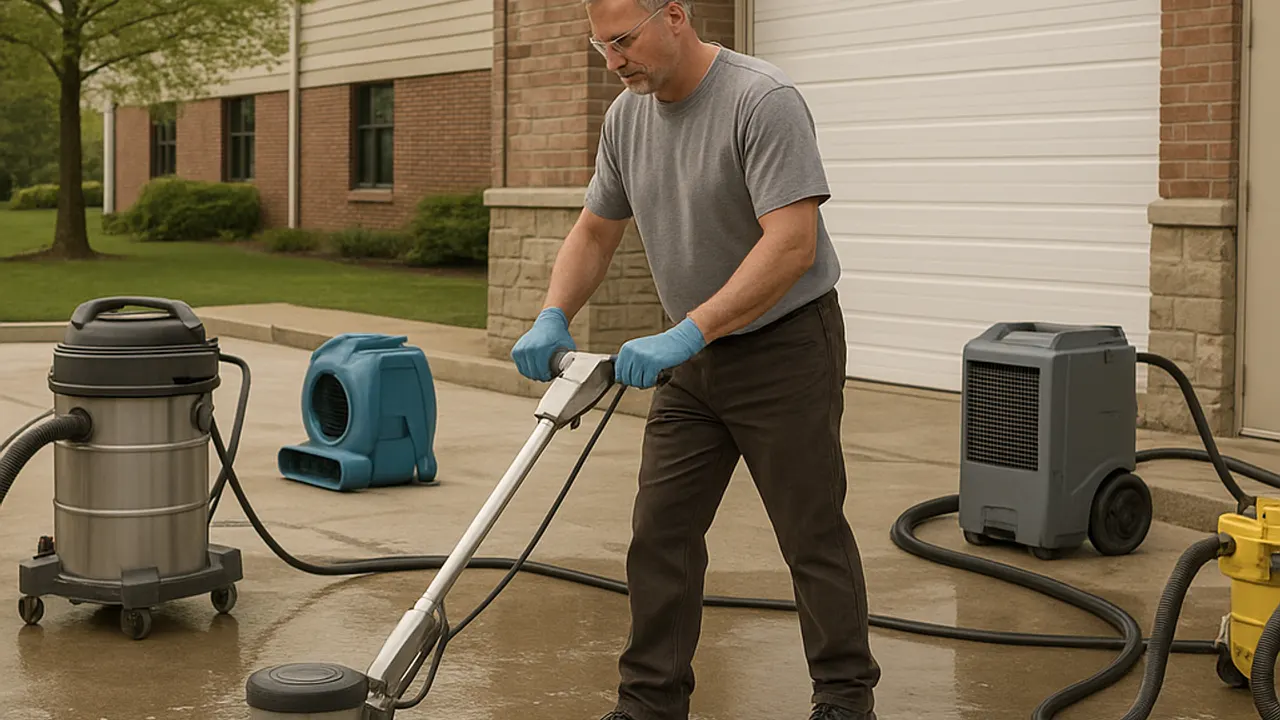
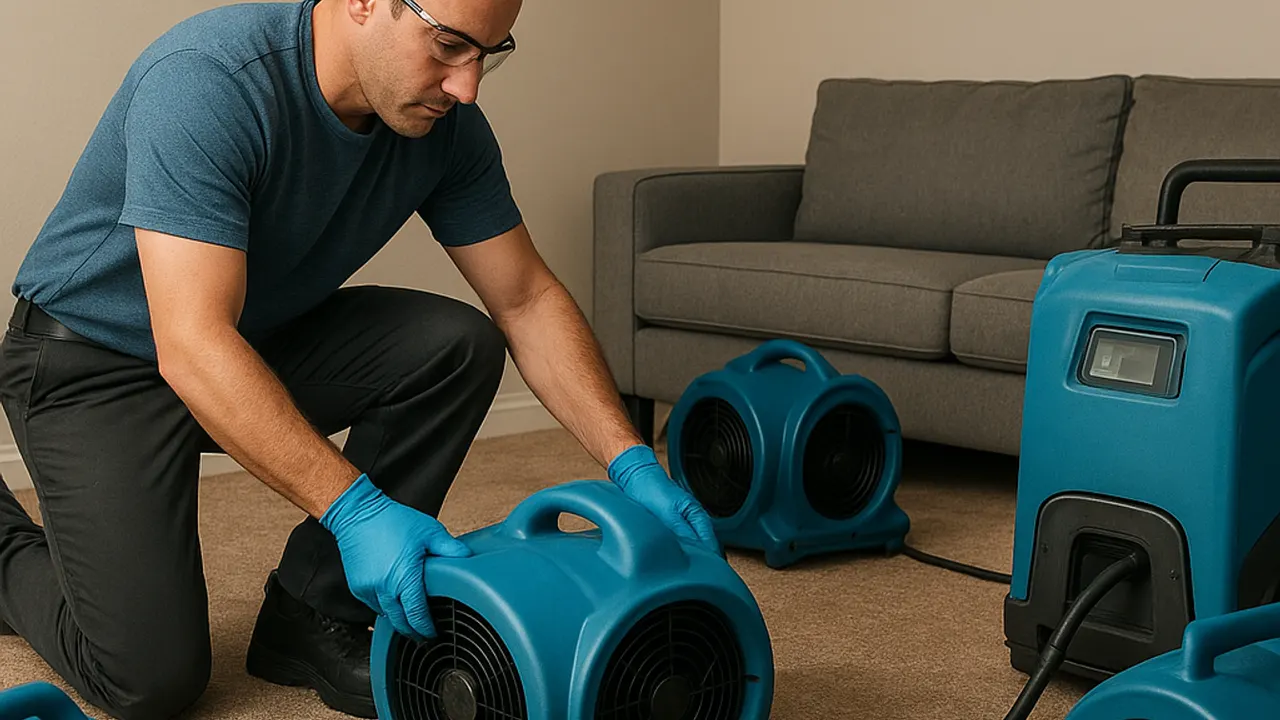
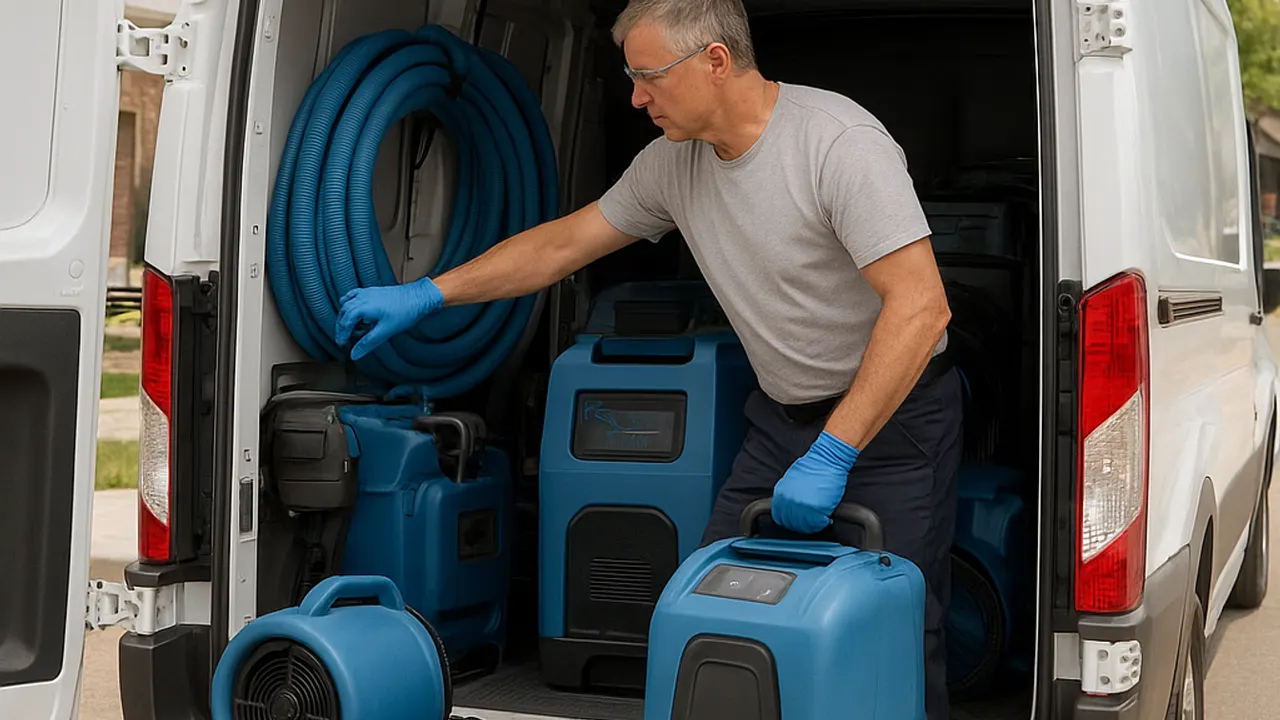
Portable extraction unit
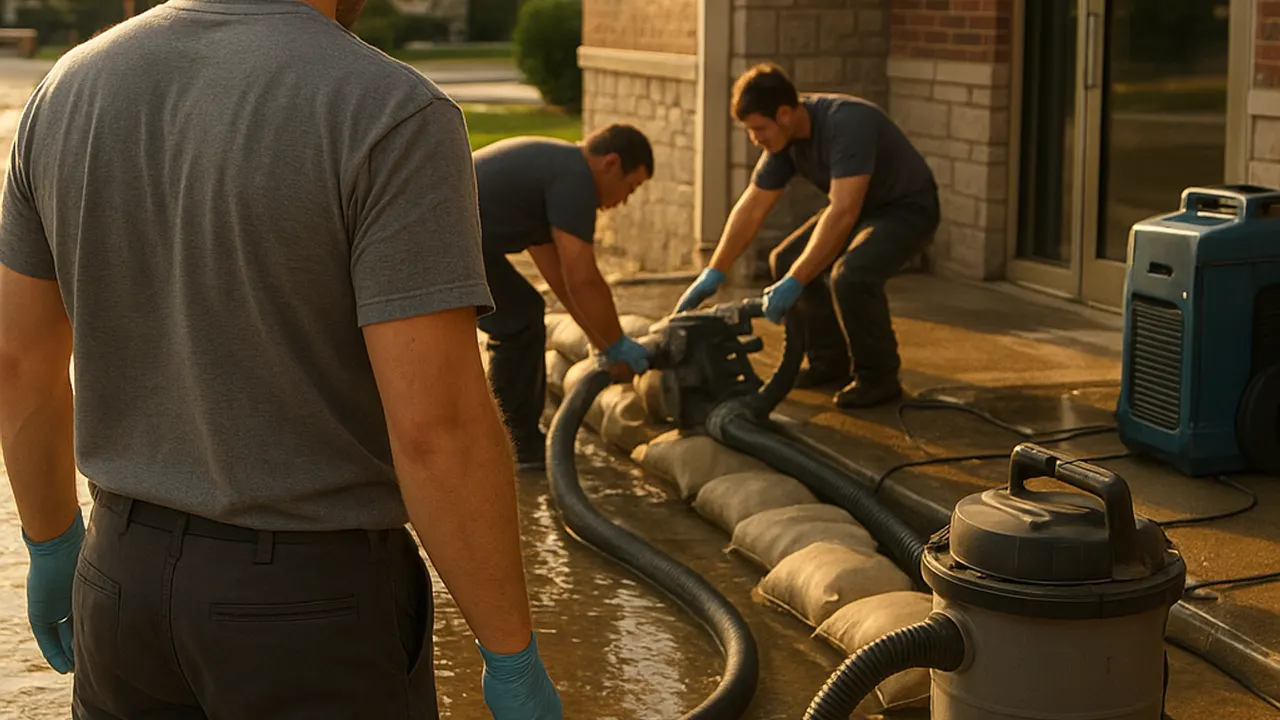
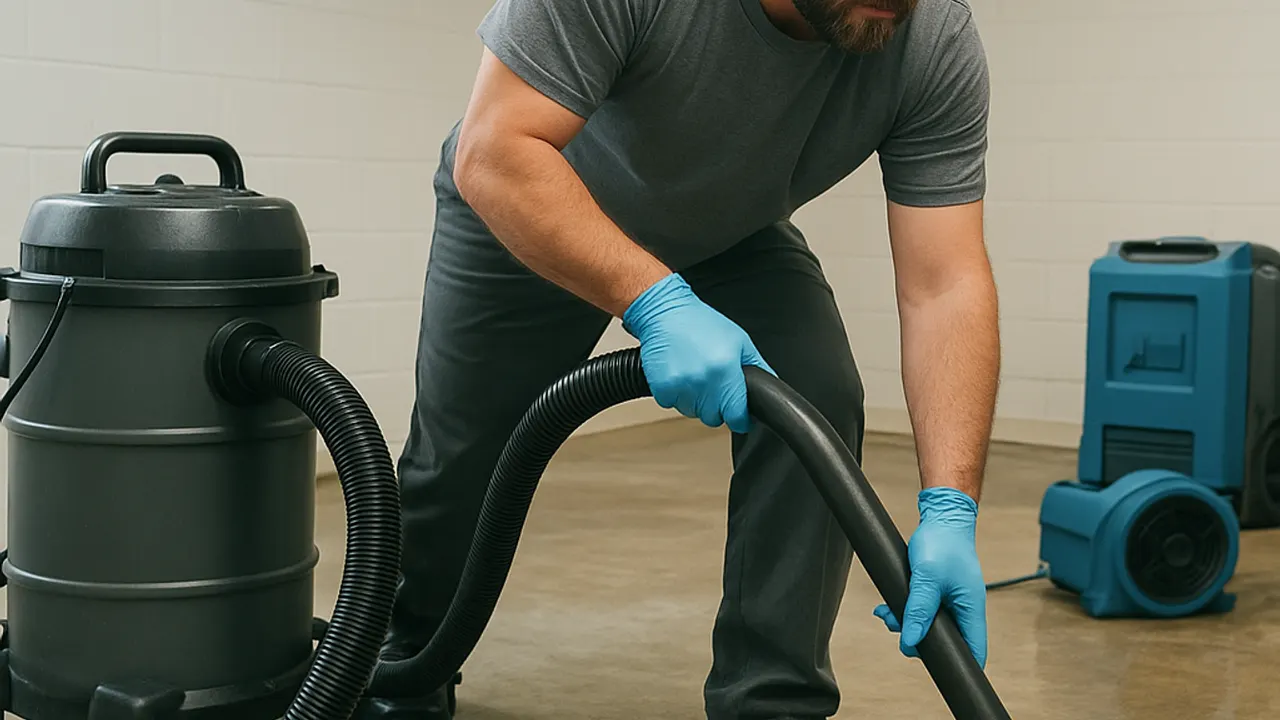
When water remains, a portable extraction unit removes accessible water before we assess drying progress in affected carpet or flooring.
Commercial dehumidifier
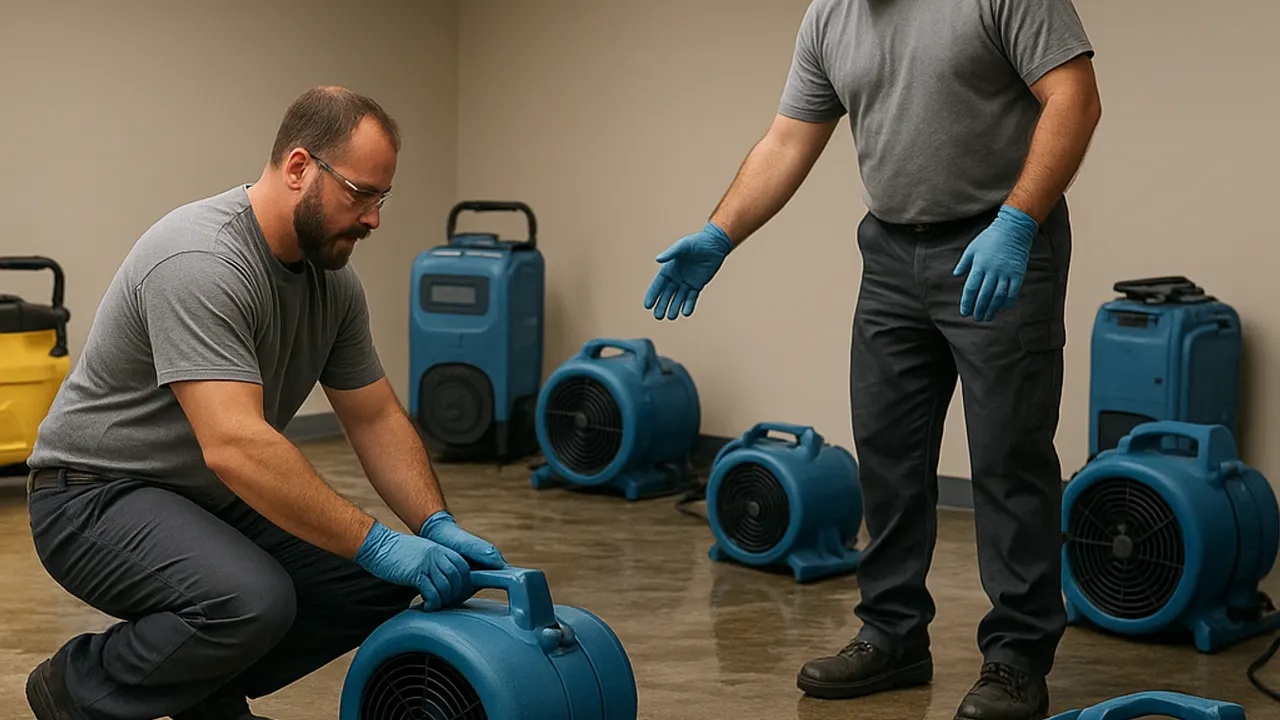
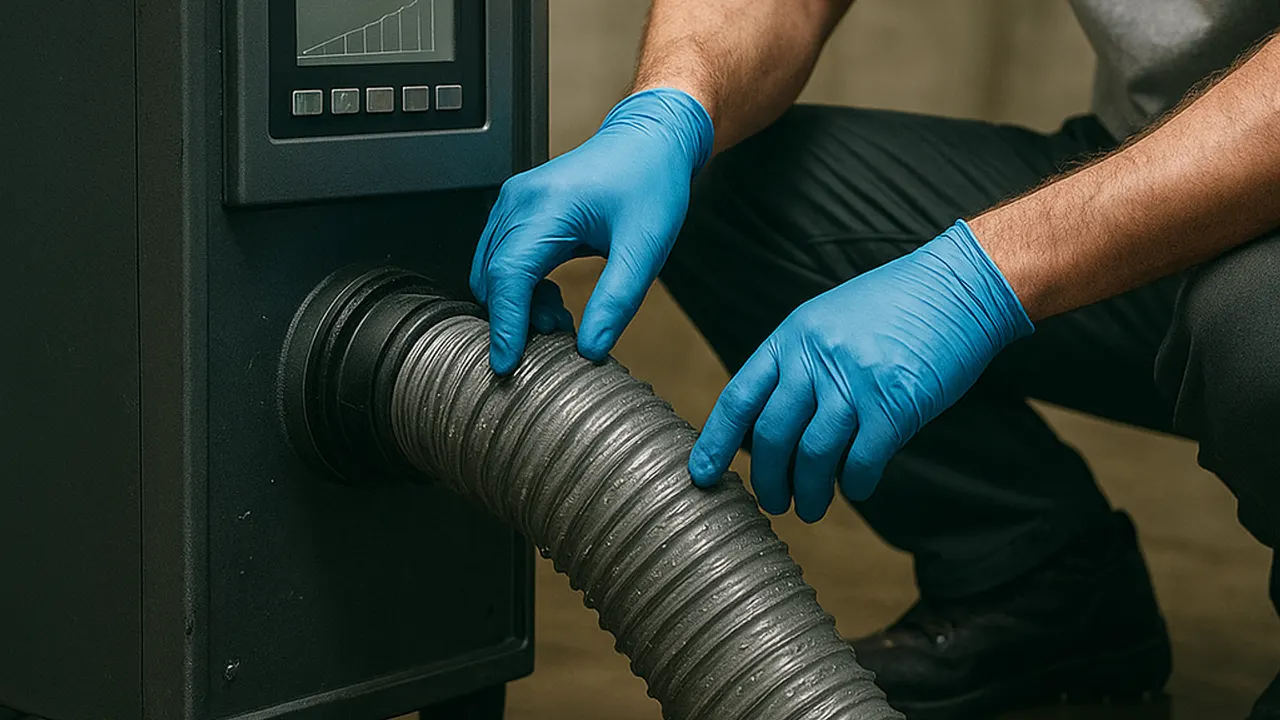
A commercial dehumidifier supports drying after water removal; inspection readings help determine where drying is needed and what to recheck.
Thermal views are illustrative, generated from the photographs.
Methods
ANSI/IICRC S500 reference
We use the ANSI/IICRC S500 Standard for Professional Water Damage Restoration as a reference for restoration-related assessment and drying conversations. We document observable conditions, affected materials, and relevant readings, then explain how those findings relate to possible next steps. The standard informs the work; it does not replace property-specific judgment.
Reference-point moisture comparison
We compare suspect material readings with nearby areas that appear unaffected, taking material type and location into account. A single reading is not treated as a complete diagnosis. We record the checked locations so a later visit can compare the same surfaces after extraction or drying.
Source-to-spread walk-through
We start at the reported leak or water entry and follow visible evidence through connected spaces. Changes in flooring, thresholds, wall edges, and room layout help explain where water could travel. The approach is useful after a burst pipe, basement flooding, or stormwater intrusion that crosses more than one room.
Drying progress checks
When drying equipment is used, we recheck selected materials and compare readings with the initial record. The comparison helps show whether conditions are changing and whether the drying plan needs adjustment. We explain any limits where finished surfaces prevent direct access to concealed materials.
When to book an inspection
Rainy basement
A fall rainstorm sends water across a basement floor in an Indianapolis home.
We inspect the water line, lower walls, stored-item area, and floor transitions after it is safe to enter. We ask whether water is still entering and whether a pump was operating, then record affected materials. If standing water remains, we explain removal before detailed drying checks.
Outcome: You understand which basement areas were affected and whether the next step is extraction, drying, or investigation of the entry point.
Winter pipe leak
A frozen pipe splits during a winter cold snap near an exterior wall.
After the water supply is controlled, we check the reported room and adjacent surfaces where water could have traveled. We look for damp drywall, baseboards, and flooring, then document moisture readings.
Outcome: You get a defined damage area and a practical sequence for removal, drying, and repair rather than treating only the obvious wet spot.
Ceiling stain
A Broad Ripple rental shows a new ceiling mark below an upstairs bathroom.
We inspect the ceiling mark, nearby walls, and accessible areas around the reported bathroom leak. We note visible changes and check suspect surfaces with appropriate moisture tools. The inspection helps the property manager separate an active leak concern from residual staining and plan the right follow-up.
Outcome: The owner receives clear observations to guide a plumbing repair and decide whether the ceiling material needs drying or additional evaluation.
Failed sump pump
A sump pump stops during spring storms and water reaches a finished lower level.
We check the affected floor, carpet edges, lower drywall, and nearby contents after the water is safe to approach. We document what remains damp and discuss extraction before drying. If the pump failure is recurring, we note the reported pattern so the source issue is not lost in the cleanup.
Outcome: You have a record of the affected finishes and a prioritized next step for removing water, drying materials, and addressing the pump problem.
IrvingtonBroad RippleFountain Square
How inspection works across Indianapolis
Indianapolis water damage assessment needs to account for changing weather and varied property construction. In October, persistent rain can reveal drainage problems around lower-level entries; winter cold can expose vulnerable plumbing, and spring storms can overwhelm a sump system. Older homes in areas such as Irvington and Old Northside may have finished basements or layered flooring that hide moisture at edges.
Newer properties can still develop water paths beneath laminate flooring or behind cabinets. We inspect the reported area and connected spaces, then record what we can access without opening walls. A water intrusion evaluation for an Indianapolis property also considers whether the source is active, how long materials were wet, and whether water reached insulation or carpet padding.
We distinguish direct observations from suspected concealed damage and explain when a targeted opening or trade repair is needed. Water Pump Masters serves Marion County and nearby Indianapolis neighborhoods, including addresses in 46234, 46237, and 46218. We focus on practical findings that help you protect the building and plan the right next work.
Irvington: Older homes can have finished lower levels and multiple floor transitions, so we check beyond the first visible stain after basement water.
Broad Ripple: A leak in an upper room can affect ceilings and adjoining finishes below; we follow the reported path through accessible areas.
Fountain Square: Basement flooding after heavy rain calls for checks along lower walls, flooring edges, and any areas where stored items blocked airflow.
Downtown Indianapolis: Commercial and multi-unit spaces can involve neighboring rooms or suites, so we document the affected area and identify where access is needed.
Fall rain saturates soil beside lower-level walls: Water can enter at a weak foundation opening or below a doorway and spread beneath floor finishes. We check the visible perimeter and adjacent materials, then ask whether the same area has been wet before.
Winter freezes stress exposed plumbing near exterior walls: A pipe leak can wet insulation and wall cavities before water becomes visible in the room. We follow the reported leak path and identify concealed areas that need additional access or a follow-up moisture check.
We walk through the reported rooms and explain what we are checking.
We set tools near affected surfaces and keep access paths clear.
We review observations, readings, and practical next steps with you.
From problem to finished result.
IllustrativeThe thermal view is generated from the photograph. It is not a measurement. Drag the handle, or use the arrow keys once it is focused.
Basement after a sump failure
Before: A sump pump stopped during heavy rain, leaving water across a finished basement floor. The carpet looked wet at the doorway, but the owner could not tell how far the water traveled beneath furniture or whether the lower drywall had absorbed moisture.
After: Our inspection mapped the visible impact across three rooms and recorded readings at 12 selected locations. The owner could see which carpet edges and wall sections needed attention, and extraction was prioritized before drying equipment was set. Follow-up readings gave the restoration plan a useful comparison point.
Keep the sump discharge clear and test the pump according to its manufacturer instructions. After heavy rain, check the basement perimeter for damp carpet edges, new stains, or a musty odor.
Ceiling leak from a bathroom
Before: A ceiling stain appeared below an upstairs bathroom, but no active drip was visible. The homeowner was unsure whether the mark was old or whether water had reached the adjoining wall and insulation.
After: We checked the ceiling, nearby wall, and accessible surfaces around the reported source, then documented readings at eight points. The inspection identified a concentrated area for plumbing follow-up and clarified which surrounding surfaces showed no visible signs of spread during the visit.
After the plumbing repair, watch the ceiling edge and adjoining wall for renewed discoloration or swelling. Compare those areas during a follow-up check before repainting or closing any opened section.
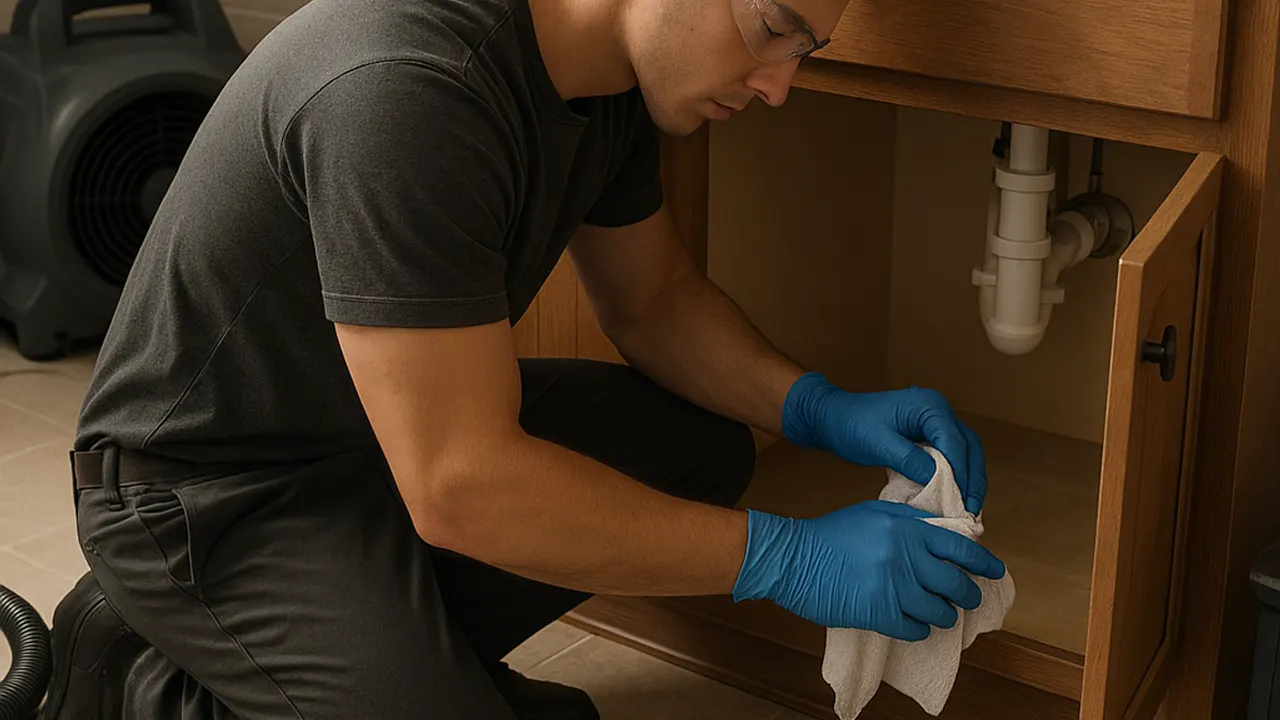
Burst pipe in a kitchen
Before: A supply line failed under the sink and water crossed the kitchen toward an adjoining hallway. The visible puddle was removed, but the owner did not know whether water had reached the cabinet base or flooring beneath the transition.
After: We followed the route from the cabinet to the hallway and checked 10 locations along the floor edge and baseboards. The findings separated surfaces with visible moisture indicators from areas needing no immediate drying response, giving the owner a focused cleanup and repair sequence.
Check under the sink after the line is repaired and keep the cabinet base clear enough to spot drips. If the floor edge swells or the odor returns, arrange another moisture check.
Find hidden water damage before repairs
A small stain can conceal a wider moisture problem, while a large mark can sometimes be limited to one surface. We check the surrounding materials and document what is visible so you can choose a response based on conditions, not assumptions.
Growing ceiling stainA ceiling stain grows after a water heater leakWater can travel along framing and wet insulation before the ceiling visibly sags, increasing repair work if the source remains active. We inspect the stain and nearby accessible surfaces, ask when the leak started, and check for moisture around the suspected path. If readings or visible conditions suggest concealed wet material, we explain where further access may be needed. That gives you a targeted plan instead of repainting over a stain that could return.
Damp basement floorBasement flooring feels damp after heavy rainMoisture under carpet or laminate can remain after surface water disappears, affecting padding and lower wall finishes. We check floor edges, baseboards, and accessible lower walls, then compare suspect readings with drier reference areas. We also ask whether a sump pump failure or repeated stormwater entry has occurred. The findings help separate a one-time wet area from a recurring condition that needs source correction.
Burst pipe spreadA burst pipe leaves water in adjoining roomsWater can pass through doorways and beneath flooring, leaving wet materials outside the room where the pipe failed. We begin at the reported pipe location and follow visible evidence into neighboring spaces. Moisture checks help identify affected flooring and wall edges after water removal. You receive a clearer map of the incident and can prioritize drying for materials that remain damp rather than relying on the original puddle's outline.
Musty carpetCarpet looks dry but has a musty odorCarpet padding may retain moisture after the surface dries, creating conditions that contribute to secondary mold growth. We inspect carpet edges, nearby baseboards, and accessible floor surfaces for signs of lingering water. A moisture meter helps compare suspect locations with unaffected areas. If carpet and padding saturation is indicated, we explain whether extraction and additional drying are appropriate, then describe what a follow-up check should confirm.
Clear findings, practical next steps
Know which areas are affected and what work should happen next.
Locate moisture beyond stains
A ceiling mark or dark baseboard does not show the full water path. We check nearby surfaces and use a moisture meter to compare affected spots with dry reference areas. That helps identify wet drywall, carpet padding saturation, or moisture behind a wall before you decide whether targeted drying or material removal is needed.
Separate source from damage
We look for clues that connect a plumbing leak, roof entry, or basement water event to the visible damage. Your Indianapolis water damage inspection service records the source you report and the areas we can access, so the next repair addresses the cause instead of treating only the stain.
Prioritize urgent areas
Standing water near electrical equipment, swollen flooring, and wet insulation need different responses. We identify immediate concerns first and explain which areas need prompt extraction, closer monitoring, or a follow-up check. You can make decisions in order, rather than opening every wall or replacing every finish at once.
Document a clear baseline
We note affected rooms, visible material changes, and moisture readings during the visit. That baseline helps you compare conditions after drying and communicate with a property manager or restoration contractor. For a water damage assessment near me Indianapolis search, you need usable observations and next steps, not just a verbal guess.
What you receive
Clear records you can keep and share.
Inspection notes
Rooms, materials, observations, and checked locations.
Photo record
Images of visible conditions where useful.
Reading log
Selected moisture readings and comparison points.
Next steps
Practical actions tied to observed conditions.
Inspection, extraction, and drying
These are connected but distinct tasks; inspection identifies conditions, while removal and drying address water and wet materials.
Inspection
Finds and records visible impact and selected moisture conditions.
Walk-through
Material observations
Reading record
Extraction
Removes accessible standing water from affected spaces.
Pump or vacuum
Water removal
Clear work area
Drying
Reduces moisture in materials after water removal.
Air movement
Humidity control
Progress checks
Materials checked
Drywall
Baseboards
Carpet
Padding
Hardwood
Laminate
Insulation
Wall edges
Service ZIP codes.
A list like this tells people straight away whether you cover their street. Not listed? Call and ask: it only takes a minute.
A water damage inspection in Indianapolis includes a walk-through, visible material checks, moisture measurements at suspect areas, and a review of likely water paths. We check the reported room and nearby accessible surfaces, then record observations and explain next steps. A typical visit takes 60 to 120 minutes for a straightforward incident; larger properties require more time. Extraction, wall opening, laboratory testing, and repairs are separate work when the findings call for them.
Arrange a water damage assessment as soon as standing water is safe to approach, ideally within 24 hours of the event. Early inspection helps identify wet carpet padding, drywall, and insulation before prolonged dampness increases the risk of secondary mold growth. If water is still entering, stop the source if safe and prioritize removal. Our same-day moisture inspection after flooding Indianapolis can document conditions and help you choose the next practical step.
Yes, an inspection can identify signs of hidden moisture behind walls, but confirming the material condition may require a small opening or another targeted test. We use visible clues, moisture-meter comparisons, and thermal patterns to locate areas that deserve closer attention. A thermal image is not proof by itself. We explain what is indicated, what is confirmed, and whether further access is needed to check insulation or the wall cavity.
Cost depends on property size, number of affected areas, access, and whether moisture mapping or follow-up readings are needed. We explain the charge before work begins. Water extraction, equipment rental, demolition, and restoration are separate services because they require different labor and materials.
Water damage inspection Indianapolis IN gives you a clear record of affected materials and the next step. Call Water Pump Masters at 317-792-8700 to discuss the leak, flooding, or moisture you have found.
Call 317-792-8700 to describe a leak, flooded basement, or water-soaked floor and get connected with an independent service company. Share your Indianapolis neighborhood, the water source, and whether the water is still spreading. Hours vary by company, so call to discuss urgent needs and the next practical step.