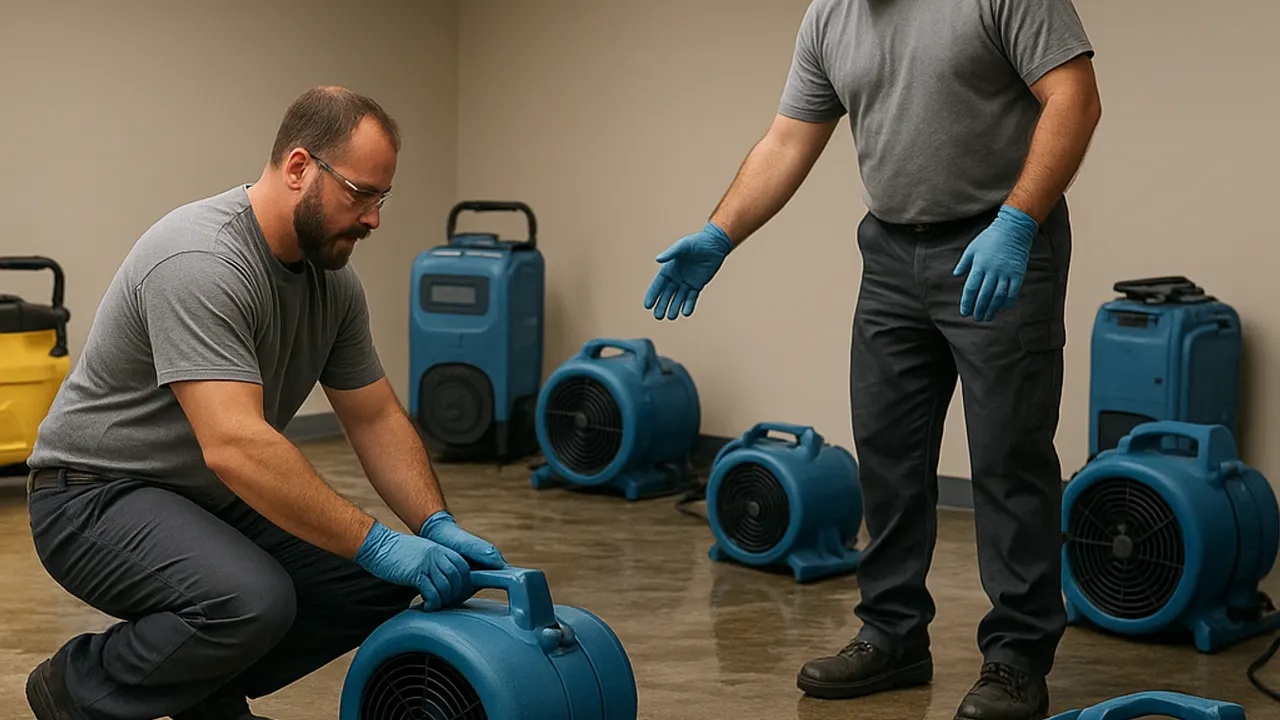
24/7 water removal Indianapolis IN for flooded homes
Our Water Pump Masters team removes standing water, checks affected materials, and explains the next steps so you can act before moisture travels into walls, flooring, and stored belongings. Call any time water is actively entering a property or a room cannot be safely used.
A water removal visit covers immediate water assessment, bulk extraction, and checks of accessible affected materials. We explain drying needs and document what we can observe during the visit. Structural repairs, plumbing repairs, extensive demolition, and specialized hazardous-material handling are separate work that depends on the source and condition of the loss. We help you identify those needs rather than treating them as part of a simple pump-out.
Initial water assessment
We ask how the water entered, identify the affected rooms, and look for active flow or visible hazards. You can point out where the water first appeared and what has already been moved. This helps us select equipment and focus the inspection on areas most likely to hold moisture.
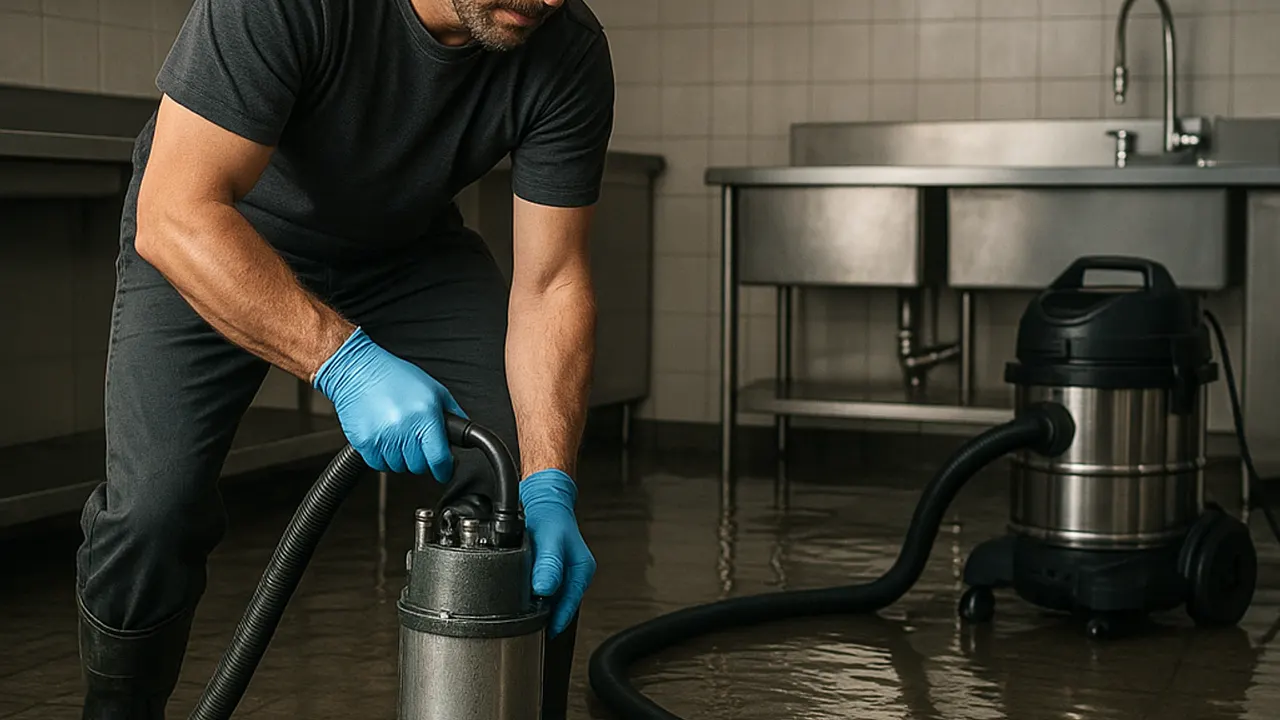
Standing water extraction
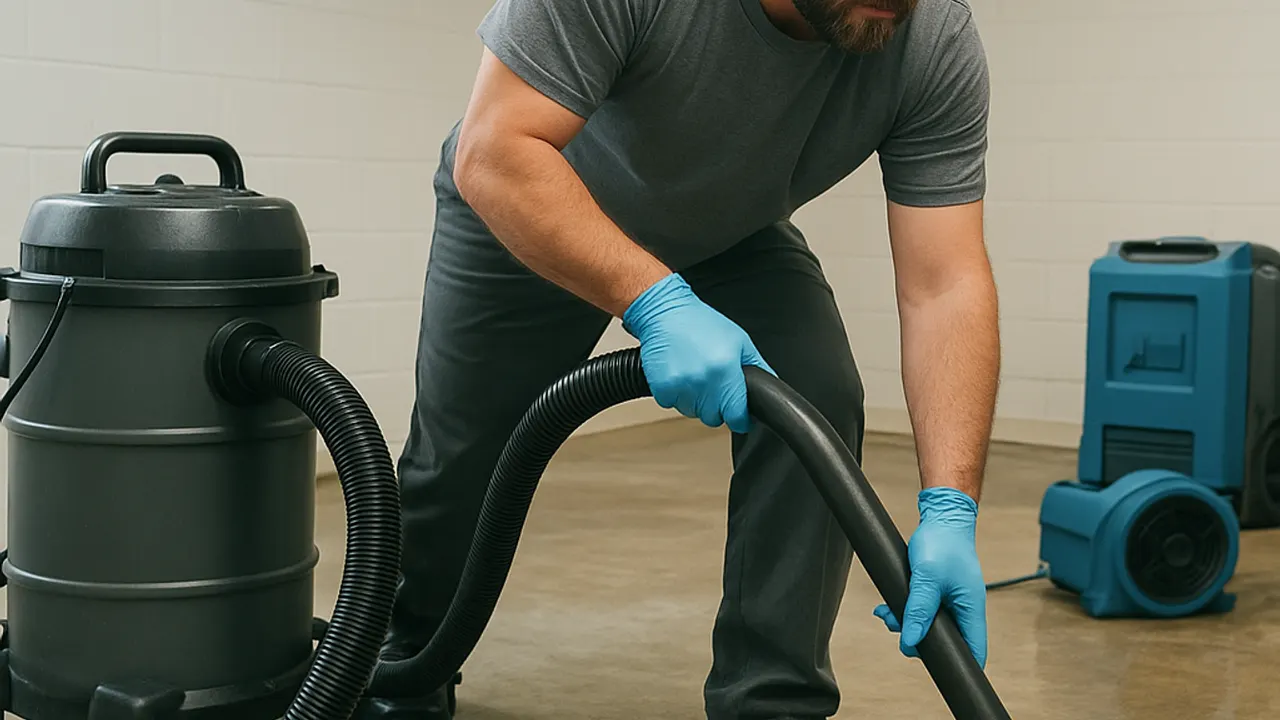
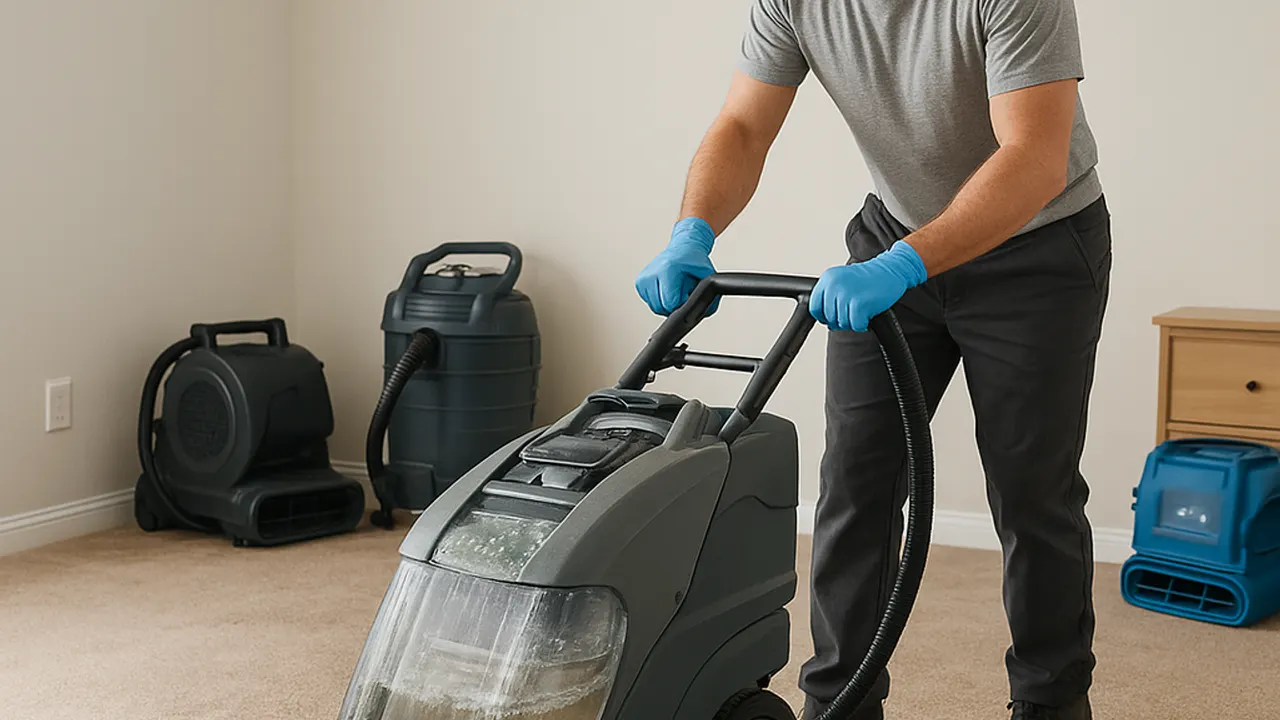
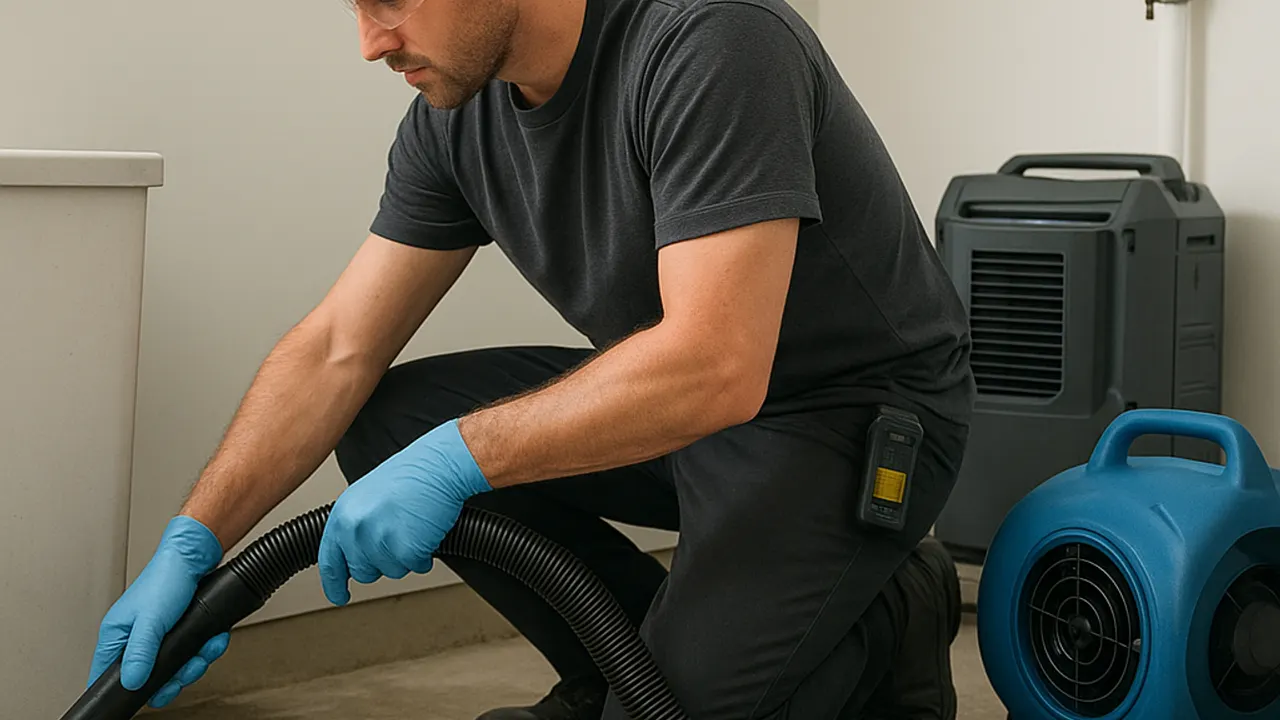
We remove pooled water with pumping or extraction equipment selected for water depth, room access, and floor type. If the carpet is wet, we assess whether water has reached the padding. The aim is to clear bulk water efficiently and expose surfaces for a more useful moisture check.
Moisture checks
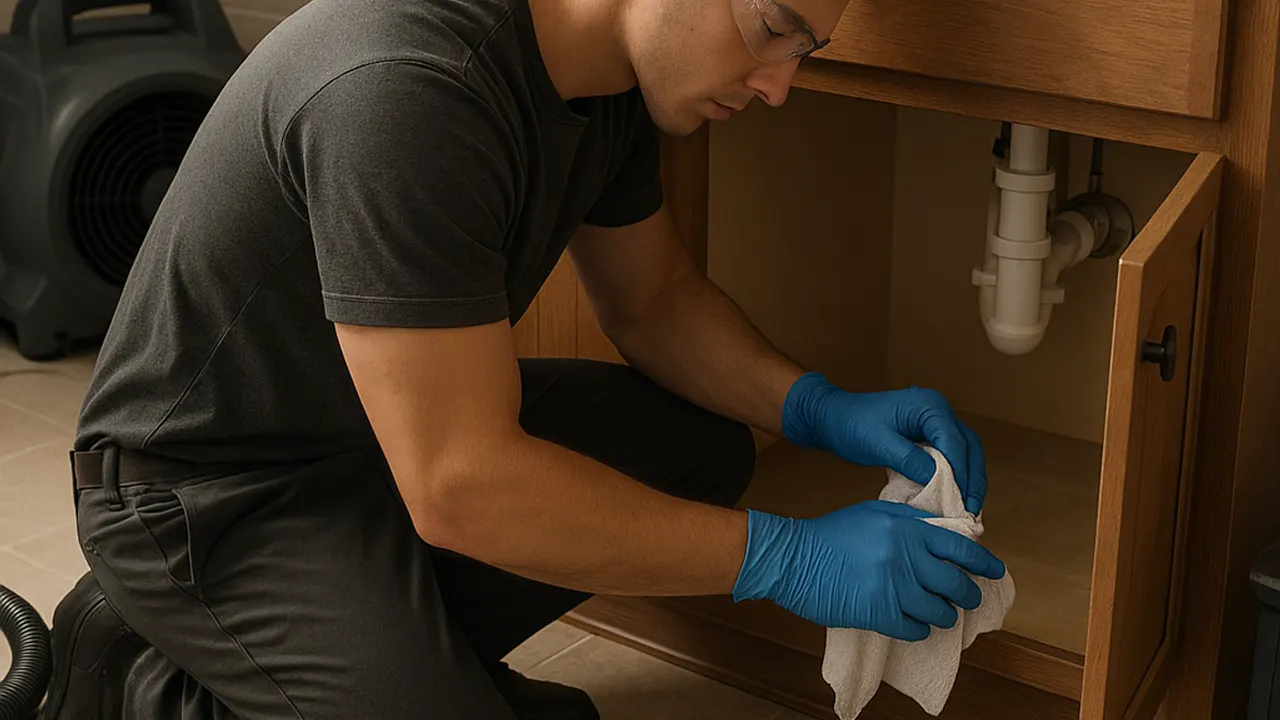
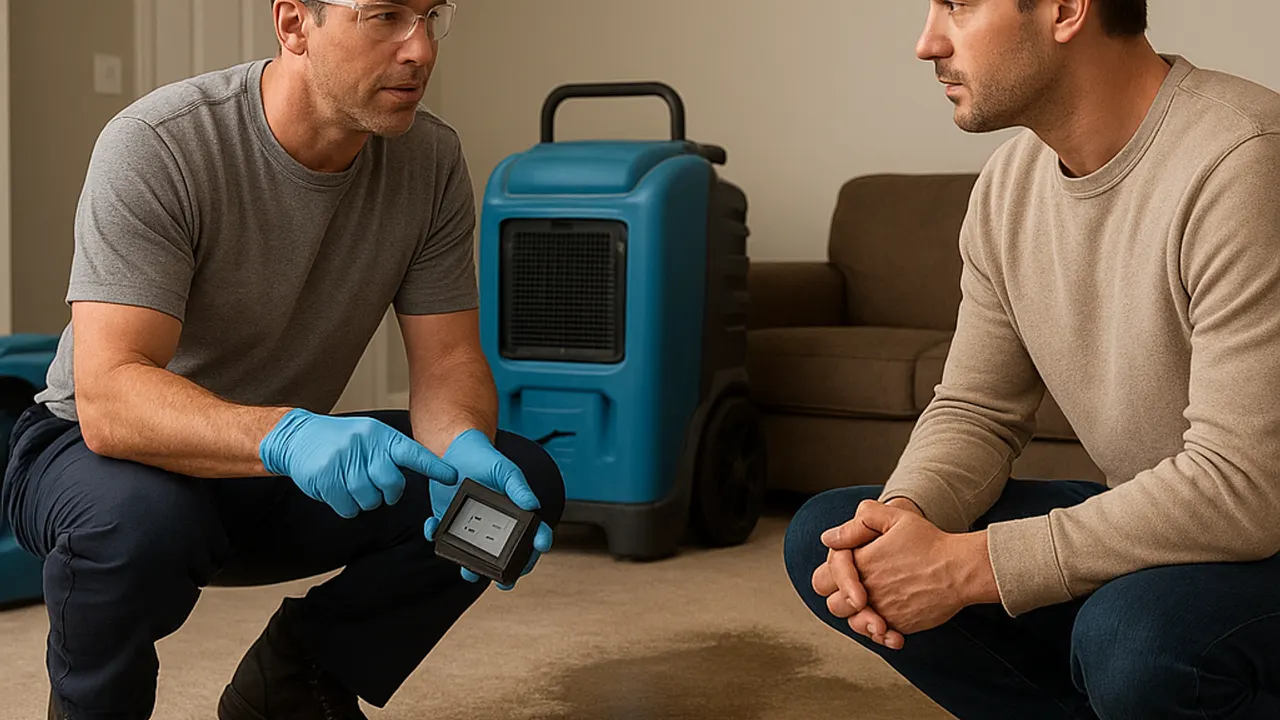
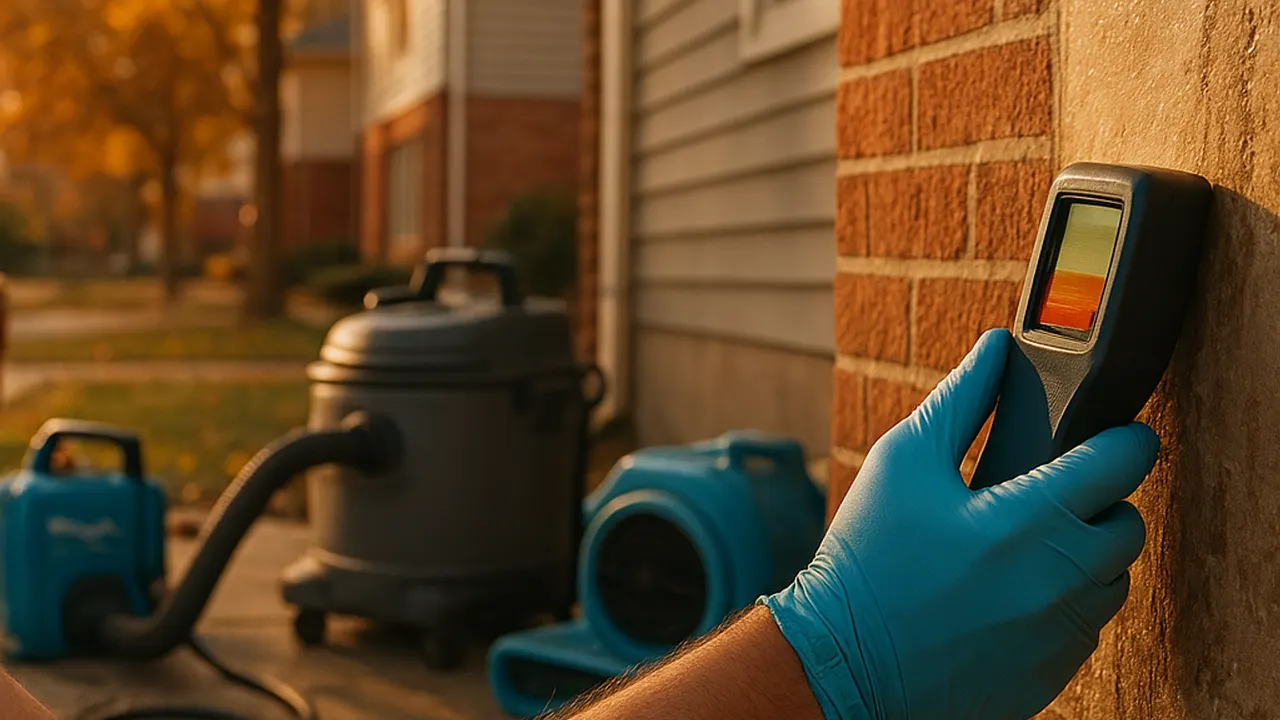
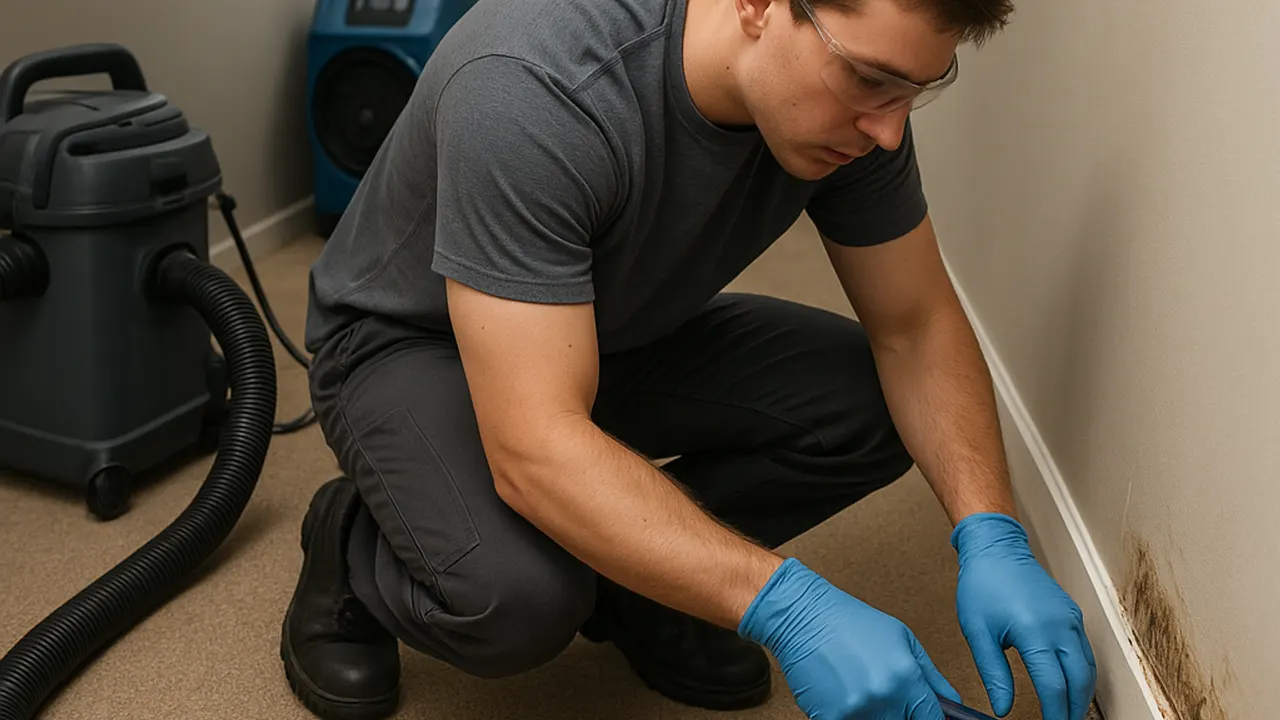
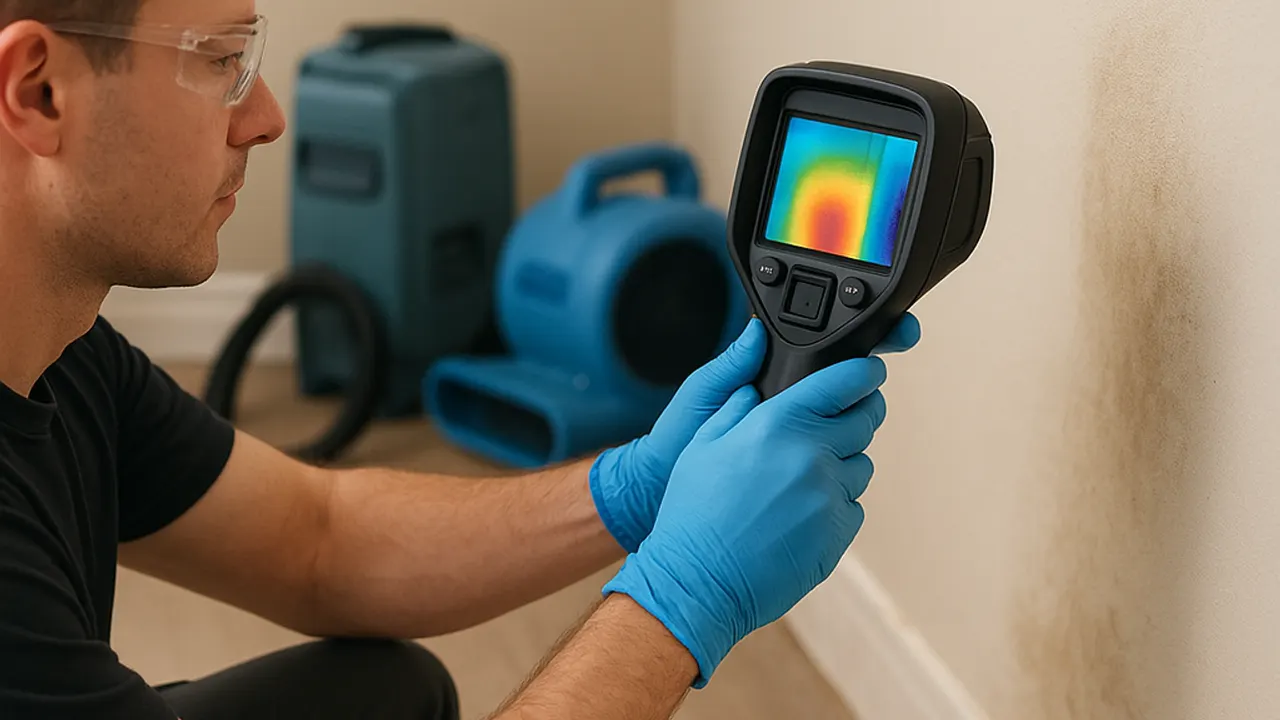
We check accessible flooring, baseboards, and lower wall areas with a moisture meter, comparing affected locations with nearby materials. We explain the readings and their limits so you understand what was inspected.
Drying guidance
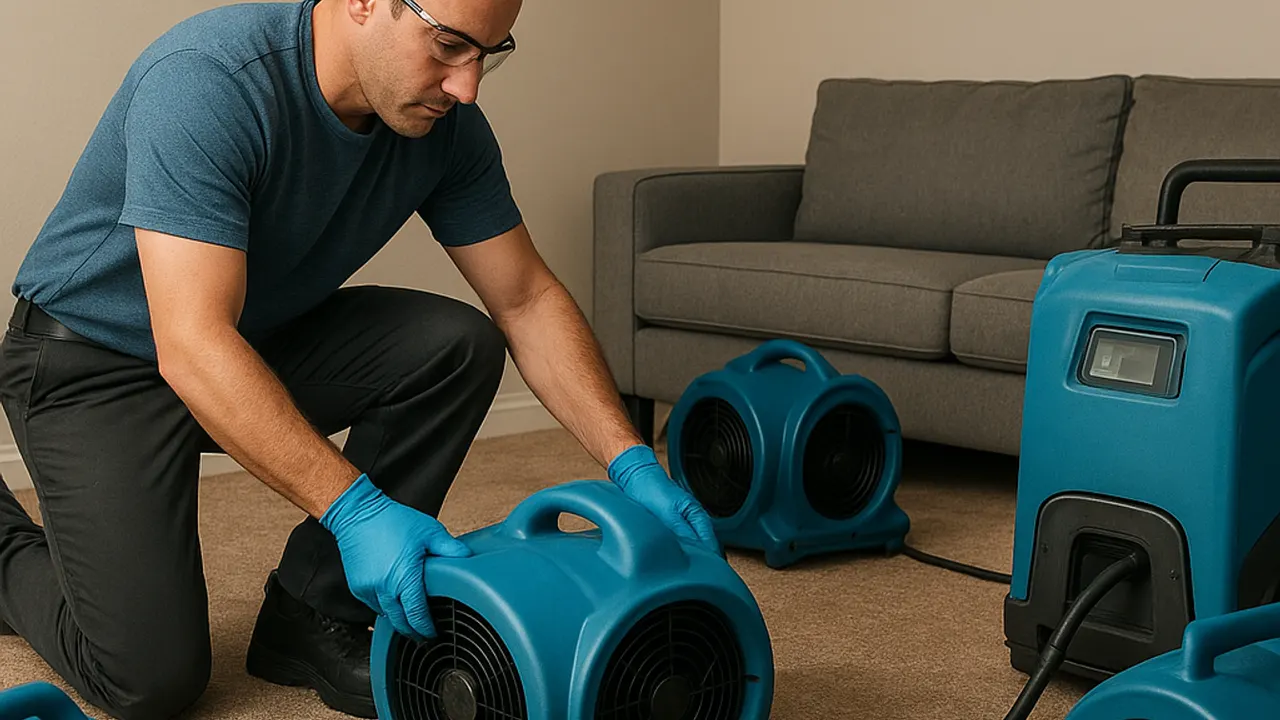
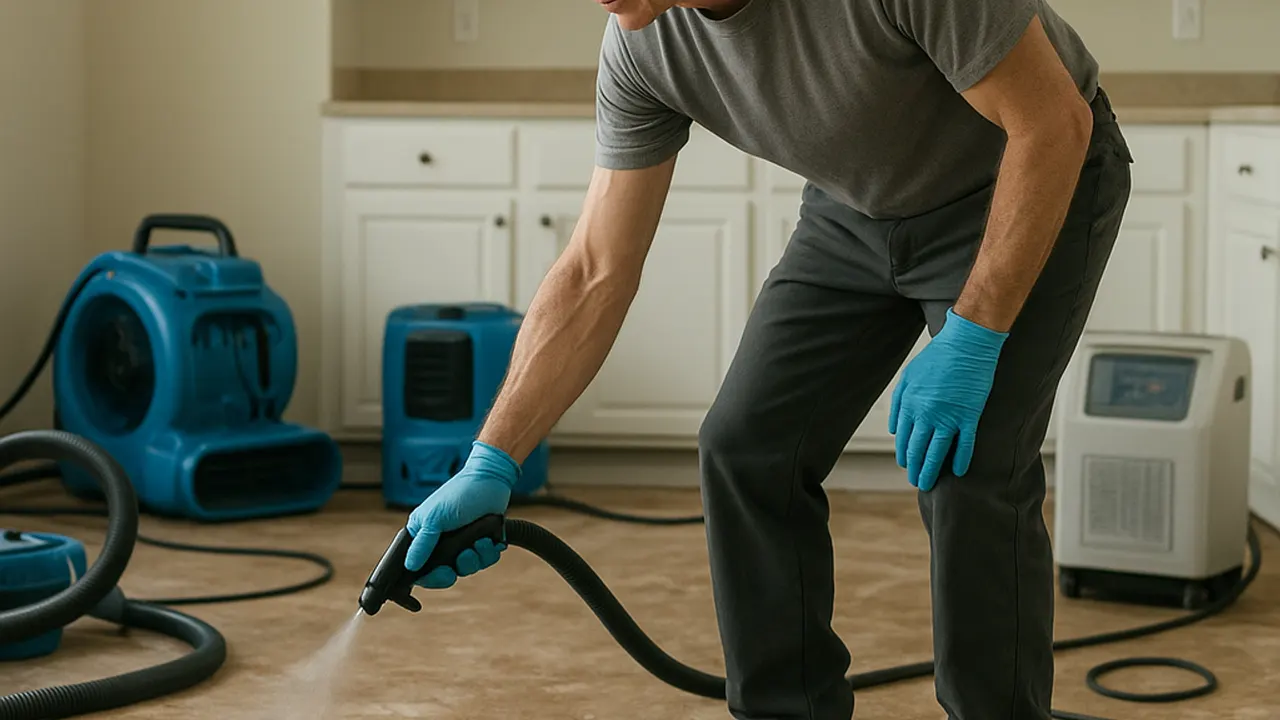
When conditions support drying in place, we explain air movement and dehumidification needs and position equipment accordingly. We also flag materials that may require removal if they are swollen, contaminated, or too saturated to dry effectively. You receive practical guidance for monitoring the affected area after extraction.
Homes and businesses.
The approach is the same for a home and a business. What changes is the access, the schedule and who needs the paperwork.
Homes and rentals
We help homeowners and tenants address leaks, basement flooding, and wet flooring. We explain affected materials and the immediate steps for clearing water.
Basement water after pump failure
Carpet soaked by a pipe leak
Water heater leak in utility room
Business properties
We work with owners and property managers to clear water from offices, storage areas, and shared buildings. We document accessible findings for repair coordination.
Water beneath office flooring
Leak affecting stock storage
Water through a ceiling
24/7 water removal Indianapolis IN: the essentials
A plain-language look at what 24/7 Water Removal involves and when it is needed.
We first identify the water source and make sure the work area is safe, then remove bulk water with pumps or extraction equipment. After extraction, we inspect accessible surfaces and measure moisture so you understand which materials need drying, removal, or further restoration. The goal is to stop active water damage and give you a clear path forward.
Indianapolis properties face water emergencies from intense rain, basement seepage, frozen or burst plumbing, and sump pump failure. A wet carpet can conceal saturated carpet padding, while water behind baseboards can remain unnoticed after the floor looks dry. Our 24-hour water extraction Indianapolis response is built around those immediate problems: remove water, check vulnerable materials, and set up drying where appropriate.
Water removal clears standing water and identifies materials that need further drying.
Service basics
Pumping and extraction remove standing water from affected Indianapolis properties.
Call conditions
Use it for active leaks, flooded rooms, basement water, or saturated flooring.
Visit steps
Expect an assessment, water extraction, moisture checks, and drying guidance.
What happens after your call
Our Indianapolis water removal process starts with the immediate hazard and ends with documented moisture checks and next-step guidance. We explain what we are doing as we work, keep access routes clear, and adjust equipment to the water and materials involved. You do not have to diagnose the damage before calling.
Call and triage
When you call, we ask where the water is, how deep it is, what caused it, and whether electricity or sewage may be involved. If a pipe is still leaking, we guide you to shut off the supply when it is safe to do so. We record access details and help you identify immediate hazards before the crew arrives.
Call details
Water source
Safety check
Inspect and protect
At the property, we walk the affected area with you, locate the likely source, and check for electrical, structural, or contamination concerns. We protect nearby belongings and establish a safe route for hoses and equipment. The initial inspection commonly takes 15 to 30 minutes, depending on the number of rooms and visible damage.
Room walk
Material check
Access setup
Extract bulk water
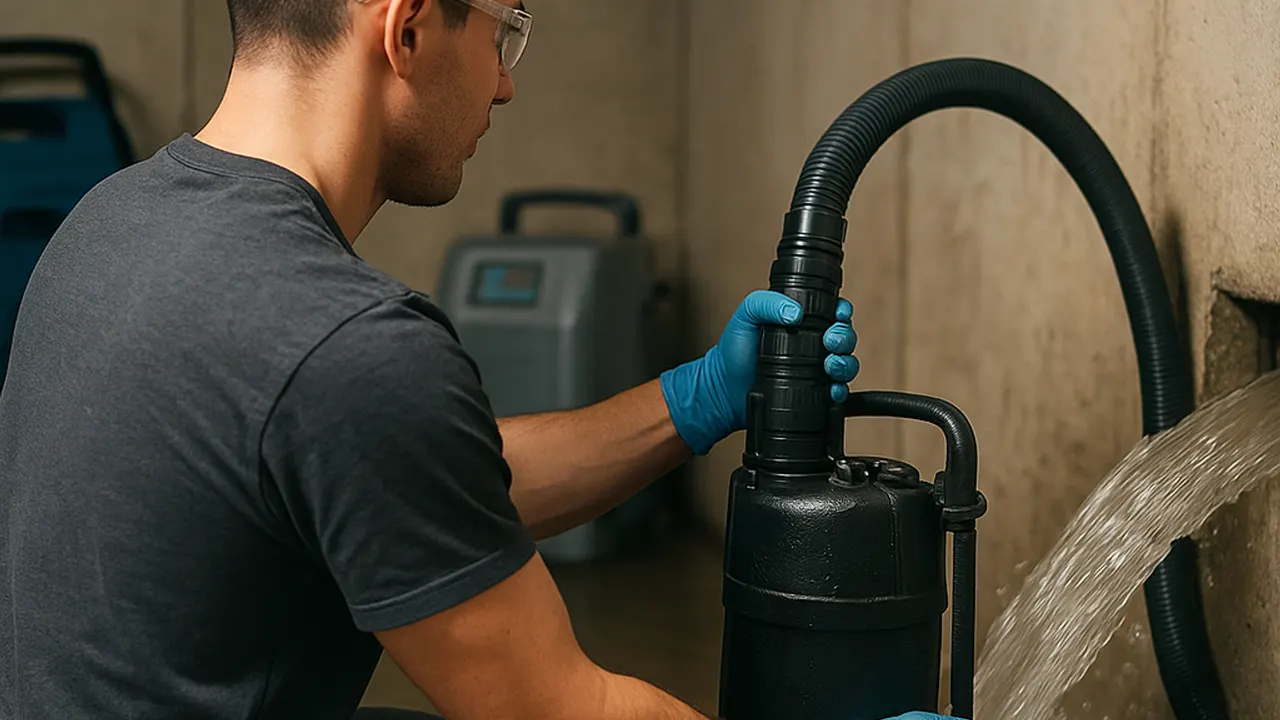
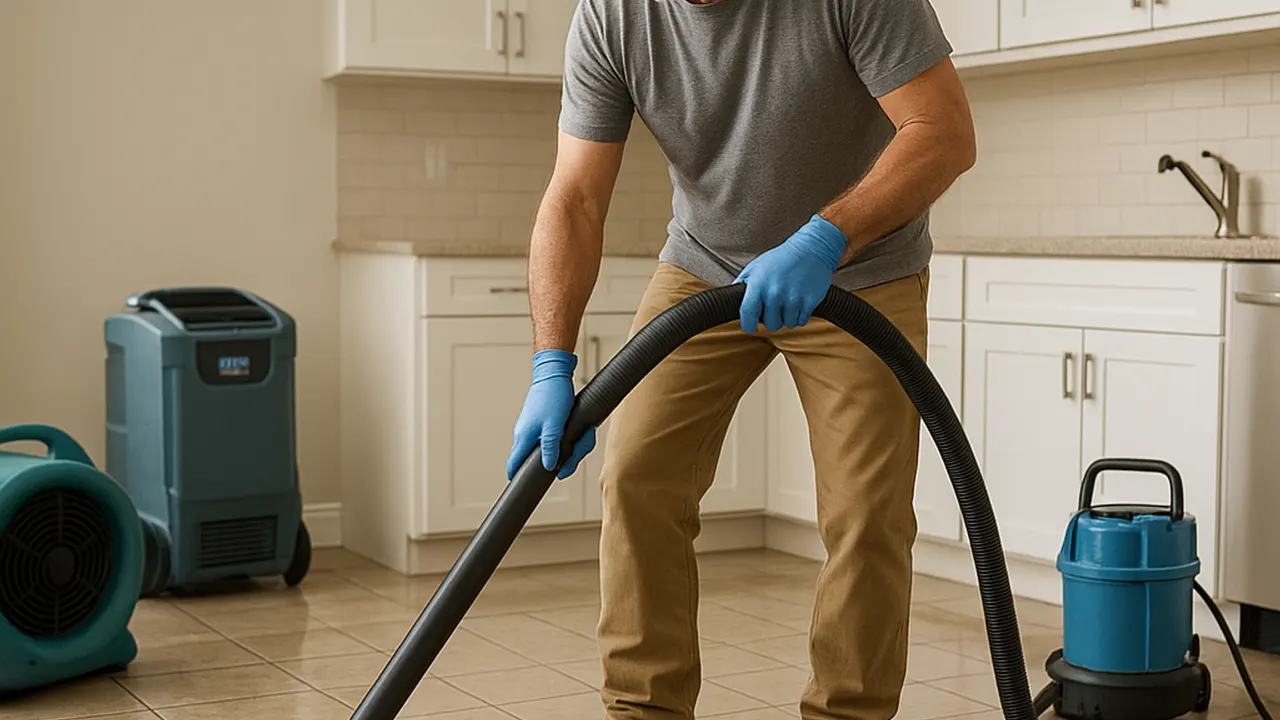
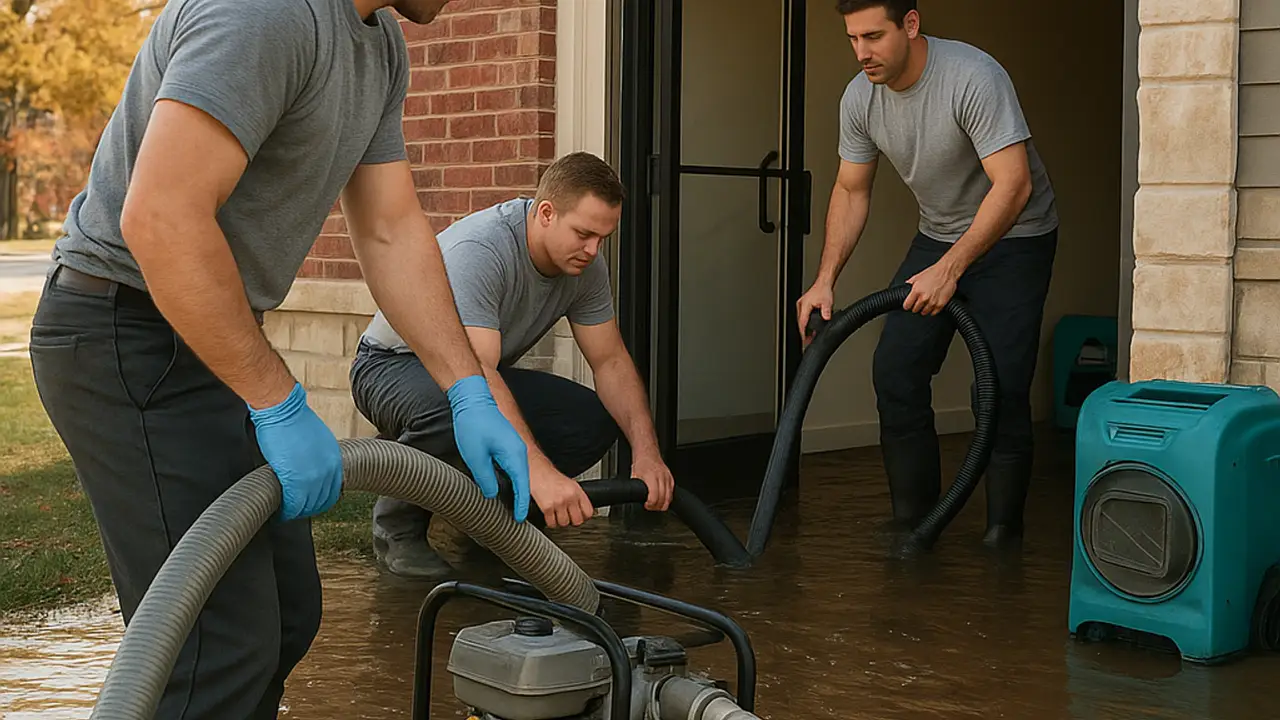
We select a submersible pump for deeper standing water or an extraction unit for wet flooring and carpet. A truck-mounted water extraction unit handles larger accessible jobs; a portable extraction unit fits tighter interior spaces. Extraction time depends on water depth, square footage, and whether carpet padding is saturated.
Pump water
Extract surfaces
Clear space
Measure and dry
Once pooled water is removed, we check floors, lower walls, and other accessible materials with a moisture meter. We position air movers and a commercial dehumidifier when conditions support structural drying. You will see where equipment is placed, what areas it serves, and when readings should be checked again.
Measure moisture
Place airflow
Review readings
Review next steps
Before wrapping up, we review the work completed, moisture readings, and materials that need continued attention. If wet drywall, insulation, or flooring cannot be dried in place, we explain the recommended next action. You receive a clear record of the affected areas and practical guidance for follow-up.
Explain findings
Record areas
Plan follow-up
Tools and drying methods
Move across a circle, or focus it and press Enter, for an illustrative thermal view of the photograph.
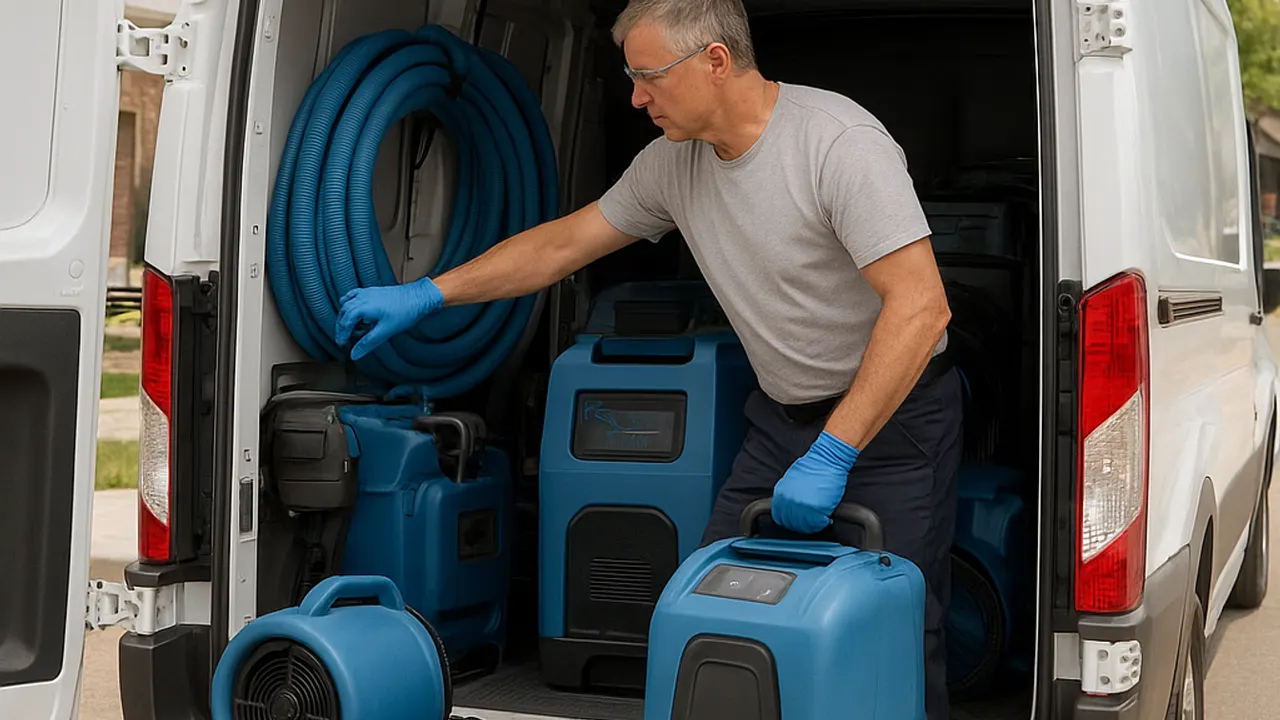
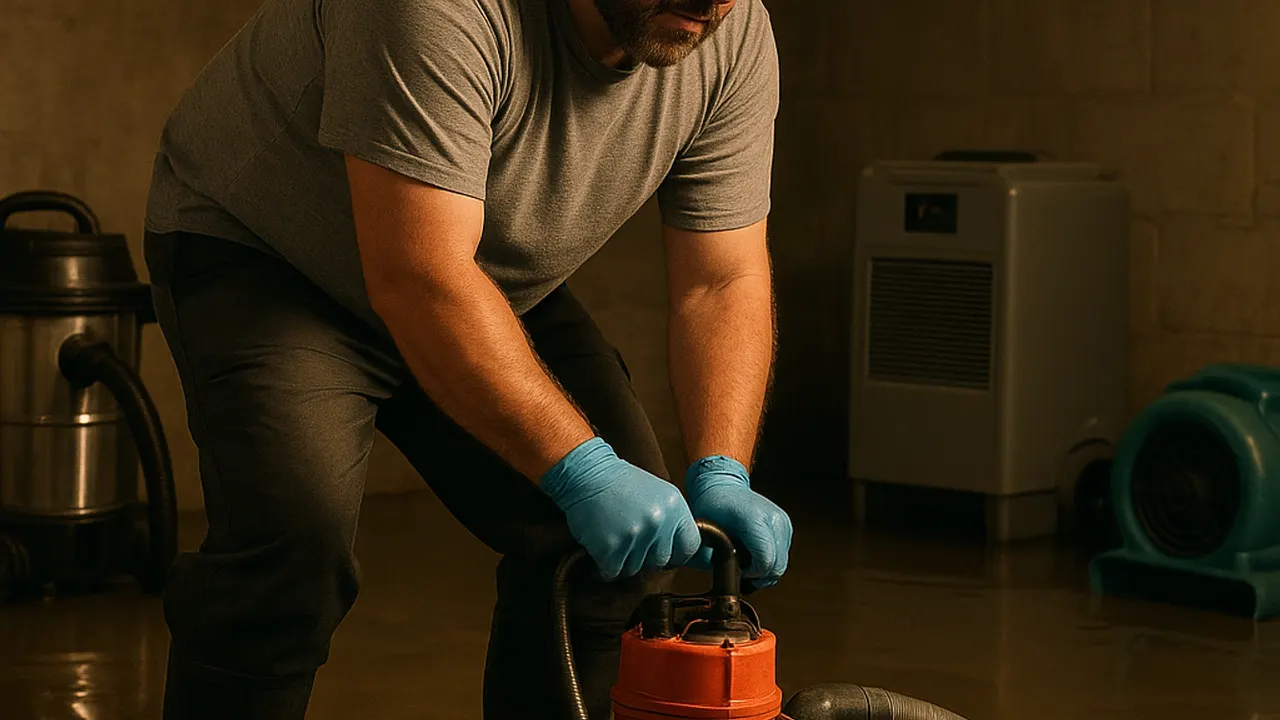
Submersible pump
We use a submersible pump to remove deeper standing water from basements and other low areas. It moves bulk water before detailed extraction and moisture checks begin.
Truck-mounted water extraction unit
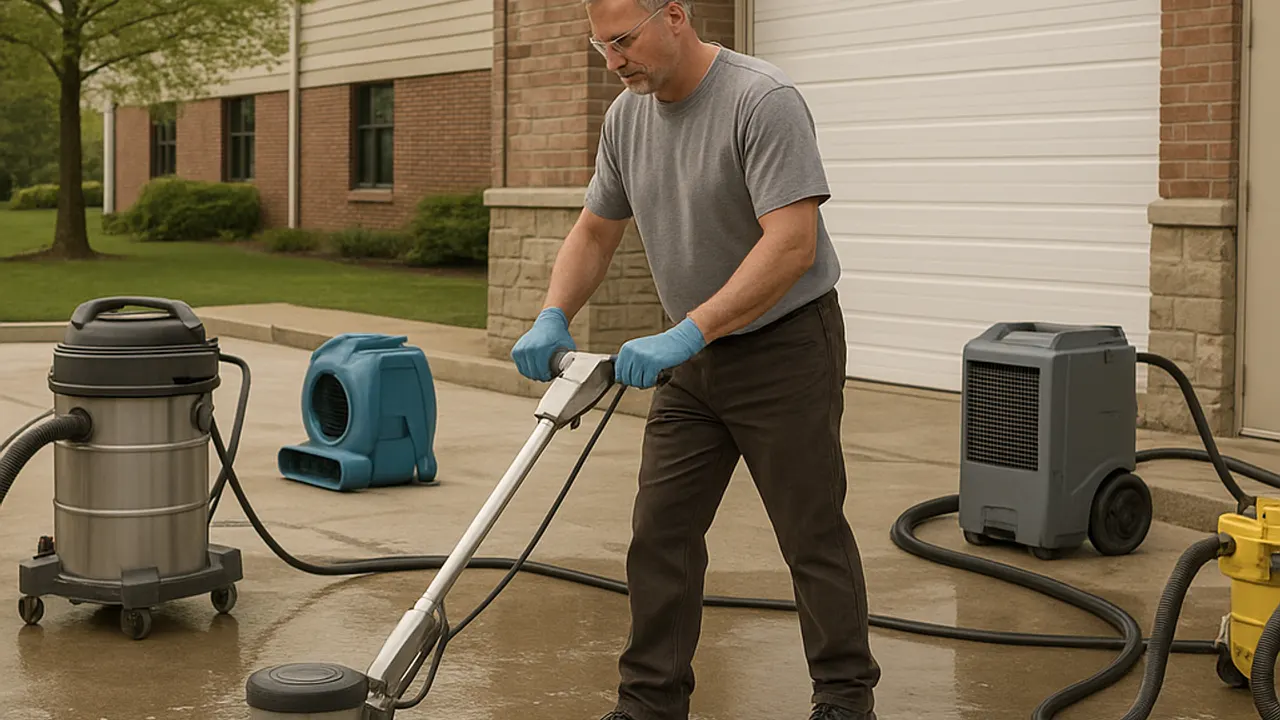
This unit provides high-capacity extraction where hoses and vehicle access are practical. We use it for larger water losses and wet flooring that needs strong, sustained extraction.
Portable extraction unit
A portable extraction unit fits interior areas where truck-mounted access is limited. It helps us work in upper floors, tight rooms, and locations with restricted entry.
Moisture meter
We use a moisture meter to compare affected materials with nearby reference areas. Readings help locate moisture that cannot be judged accurately by appearance alone.
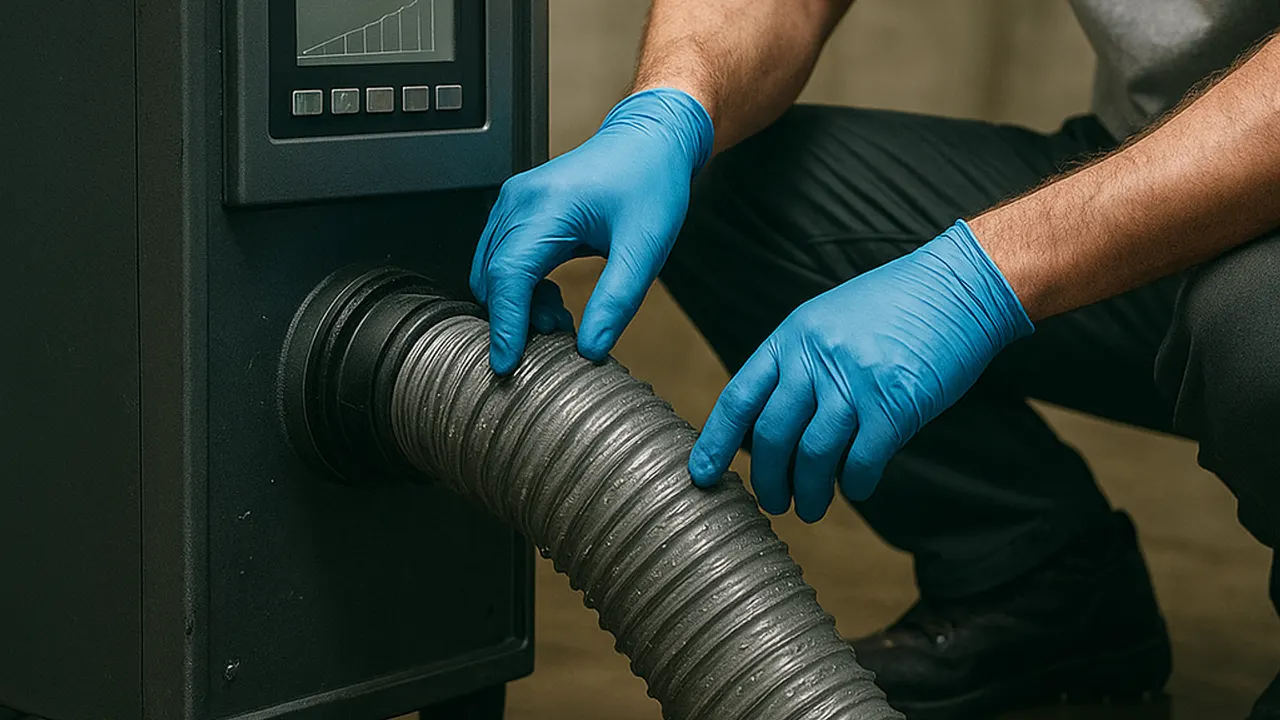
Air mover and dehumidifier
Air movers direct airflow across wet surfaces, while a commercial dehumidifier removes moisture from the room air. Placement depends on the affected materials and room layout.
Thermal views are illustrative, generated from the photographs.
Methods
Source-first assessment
We establish whether water is still entering before we focus on extraction. That means identifying a leaking fixture, pipe, appliance, stormwater entry point, or failed pump where accessible. When the source cannot be safely controlled by our crew, we explain which repair is needed so removed water is not immediately replaced.
Measured moisture mapping
We compare moisture readings across affected and nearby materials, then note where readings indicate continued wetness. This method helps distinguish a surface spill from water that has moved into flooring, baseboards, or lower walls. We use the findings to guide drying placement and explain which areas need another check.
Controlled structural drying
When materials are suitable for drying in place, we use airflow and dehumidification to help moisture leave the structure. Equipment placement considers room size, air movement, and access. We take follow-up readings rather than assuming a fixed drying period; many jobs require 3 to 5 days, depending on materials and conditions.
When to call for water removal
Frozen pipe
A frozen pipe breaks overnight in an Indianapolis home, leaving water running into a finished room.
We start by asking whether the water supply is shut off and where water has traveled. Once on site, we extract pooled water, check carpet and nearby baseboards, and identify wet materials that need drying. If the water source remains active, stopping the leak takes priority over the extraction.
Outcome: The room is cleared of standing water, affected areas are identified, and you know which drying or repair steps come next.
Sump failure
Heavy fall rain overwhelms a sump pump in a Marion County basement while the household is away.
We pump out the accumulated basement water, check the perimeter and floor for moisture, and assess belongings that can be safely moved. We explain drying needs and note any visible entry path. A pump repair or replacement must address the cause, but extraction clears the immediate water problem.
Outcome: You regain access to the basement and have a clear record of the affected surfaces and follow-up needs.
Water heater
A commercial water heater leaks after closing and sends water into a storage area.
We assess access and safety, remove pooled water, and check nearby flooring and lower wall surfaces. If stock or equipment is in the wet area, we help identify what needs to be moved first. We document accessible moisture locations so your property manager can coordinate repairs and drying.
Outcome: The water is removed and the affected storage area is mapped for cleanup, drying, and business reopening decisions.
Office leak
An upstairs appliance leak sends water through a ceiling into a downtown Indianapolis office.
We extract water from the affected floor, inspect the accessible ceiling and wall areas, and identify signs of moisture migration. The appliance or plumbing source must also be repaired.
Outcome: The immediate floor hazard is addressed, and you have useful information for managing the ceiling, contents, and repair schedule.
Broad RippleIrvingtonDowntown Indianapolis
How water removal works in Indianapolis
Indianapolis homes range from older properties with plaster and original hardwood to newer construction with finished basements and carpeted lower levels. The material changes how water behaves: hardwood may cup, carpet padding can hold water, and drywall can wick moisture above the visible line. Our team checks what is accessible and uses readings to guide the response.
During fall and winter, heavy rain, freezing temperatures, and plumbing failures can create sudden basement flooding or burst pipe water damage. In warmer months, storms can push water through low openings or overwhelm drainage. We provide 24-hour water damage cleanup in Indianapolis with a source-first inspection, extraction, and practical drying guidance.
If you need overnight water damage cleanup Indianapolis IN, tell us whether the water is clean, storm-driven, or from a drain so we can prepare for the conditions. We serve Marion County neighborhoods and consider access, building materials, and the water source on each call.
Broad Ripple: Older homes and finished lower levels can hide moisture along hardwood edges and basement wall joints. We check beyond the visible puddle.
Irvington: A mix of older building materials calls for careful inspection around baseboards, plaster, and flooring after a leak or stormwater entry.
Downtown Indianapolis: Condo and commercial properties can involve upper floors, shared access, and water traveling through ceilings. We plan extraction around the affected unit.
Fountain Square: Finished basements and mixed-age properties can have different drainage and flooring conditions. We identify the source before setting up equipment.
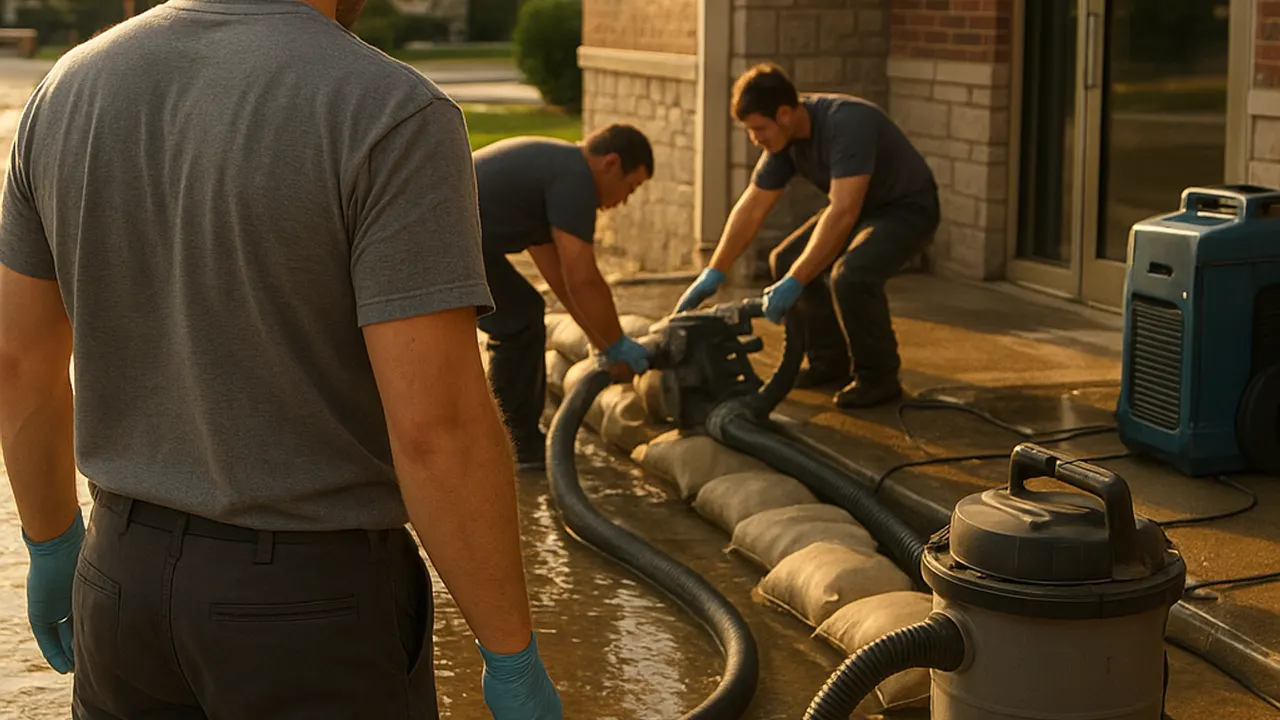
Heavy rain pushes stormwater into low basements and ground-floor entries: Water may carry outdoor debris and spread beneath stored items or flooring. We consider the water source before choosing cleanup methods, then check the floor perimeter and lower wall surfaces for moisture.
Freezing weather contributes to burst pipe water damage: A split line can release water behind walls or into rooms before anyone notices. We focus on stopping active flow, extracting visible water, and checking nearby materials that may be wet beyond the original leak.
We walk through affected rooms and explain the visible water path.
We protect access routes and set up the appropriate extraction equipment.
We check moisture readings and explain practical follow-up steps.
From problem to finished result.
IllustrativeThe thermal view is generated from the photograph. It is not a measurement. Drag the handle, or use the arrow keys once it is focused.
Basement cleared after pump failure
Before: A failed sump pump left several inches of water across a finished basement after heavy rain. Boxes and a section of carpet were wet, and water had reached the lower wall edges. The homeowner could not tell how far moisture had traveled or whether the carpet could remain.
After: We removed the standing water, extracted the wet carpet, and checked accessible floor and wall areas. The visible water was cleared in about 2 hours; drying equipment then ran for 4 days with follow-up readings. The homeowner had a mapped affected area and a separate repair plan for the pump.
Test the sump pump by adding water to the pit and confirming that it activates and drains. Keep the discharge outlet clear and move stored boxes off the floor. A plumber should inspect a pump that cycles continuously or fails to start.
Burst pipe water contained
Before: A split pipe in a utility area released water into an adjoining carpeted room before the occupants found it. The carpet looked wet across a small patch, but water had moved beneath the edge and soaked the padding. The leak was shut off before extraction began.
After: We extracted water from the carpet and checked the floor perimeter and nearby baseboards. Moisture readings identified a larger affected area than the visible stain suggested. Extraction took roughly 90 minutes, followed by 3 days of drying and checks to determine whether the carpet and padding could be retained.
Keep the shutoff valve accessible and have exposed plumbing checked if it shows corrosion or repeated leaks. During cold spells, maintain indoor heat and address drafts near pipes. After any leak, check adjoining rooms rather than only the first wet spot.
Stormwater removed from entry
Before: Rainwater entered a ground-floor room through a low doorway and spread across laminate flooring. Fine debris settled near the threshold, and the room's edge trim began to feel damp. The occupants needed the space cleared before moving furniture back.
After: We removed pooled water, cleaned accessible surface debris, and checked the laminate edges and baseboards for moisture. Extraction and initial cleanup took about 2 hours. The moisture review identified sections needing continued drying, while the entry point was left for separate weatherproofing work.
Keep exterior drains and doorway channels clear of leaves, especially during fall storms. Move valuables off the floor when water is forecast and address recurring seepage at its entry point. Inspect flooring edges after rain rather than waiting for a visible stain.
Stop water damage before it spreads
A flooded room can look manageable while water continues moving beneath flooring or into lower wall cavities. Round-the-clock water removal for a flooded home Indianapolis starts by clearing standing water and checking where moisture has traveled. We focus on the immediate source, the affected materials, and the actions that reduce further damage.
Basement floodingBasement water rises after the sump pump stops during a stormWater can soak stored belongings, flooring, and the wall perimeter while the pump remains out of service. Delayed removal leaves more material wet. We pump out accumulated basement water and check floor edges, lower walls, and stored items for moisture. We can set up drying equipment where appropriate and point out conditions that need a separate sump pump repair. You get a cleared work area and a clear view of the affected zone.
Wet carpetA burst pipe leaves carpet and padding soaked overnightWater spreads beyond the visible wet patch and can remain trapped under carpet, increasing the chance of odor and secondary mold growth. After the water source is shut off, we extract water from the carpet and inspect accessible edges for saturation. We explain whether the padding appears affected and what drying or removal steps are needed. A moisture check helps guide the next action instead of relying on how the carpet feels.
Stormwater entryStormwater enters through a basement wall or doorwayOutdoor water can carry dirt into the basement and soak finished surfaces, stored items, and nearby drywall. Water may spread into adjoining rooms. We remove pooled stormwater, identify the entry area, and check which materials were contacted. If debris or contamination is present, we explain the appropriate cleanup approach rather than treating it as clean plumbing water. We also identify moisture that needs continued drying after the visible water is gone.
Heater leakA water heater leak leaves a utility room floor floodedWater can run beneath appliances and along baseboards, reaching nearby flooring or stored materials before the leak is noticed. We extract water from the floor and inspect accessible edges around the water heater and nearby walls. We help you identify the wet area and the materials that need drying, while a plumbing professional addresses the failed tank or connection. This separates water removal from the repair that stops a repeat leak.
What prompt extraction changes
Clear standing water, identify affected materials, and understand what needs to happen next.
Less standing water
We use extraction equipment sized to the affected area, removing pooled water from basements, utility rooms, and finished spaces. In a typical single-room incident, bulk extraction may take 30 minutes to several hours, depending on depth and access. That first step clears the surface so we can inspect flooring and identify moisture that a mop cannot reach.
Better moisture visibility
Water can travel under flooring or wick into drywall well beyond the visible stain. We use a moisture meter to compare readings in affected and unaffected areas, then explain the findings in plain language. You can make decisions based on measured conditions rather than assuming a dry-looking floor means the structure is dry.
Earlier drying setup
After water extraction, air movers and a commercial dehumidifier help move moisture out of materials and into the air for removal. We place equipment with attention to room layout, airflow, and household access. Drying often takes 3 to 5 days, with follow-up readings guiding adjustments instead of guesswork.
A clearer next step
We distinguish water removal from repairs and full restoration so you know what happens next. If water has reached insulation or wall cavities, we explain the affected area and the work required to address it. You receive a practical plan for drying, cleanup, and any additional trade work the damage calls for.
What you receive
Clear records you can keep and share.
Photo log
Images of accessible affected areas.
Moisture notes
Recorded readings from checked locations.
Work summary
Extraction tasks completed during the visit.
Area map
Notes identifying observed wet locations.
Extraction and restoration differ
Extraction removes water; drying and repairs address the materials and damage that remain.
Bulk water
Pumping and extraction clear visible water.
Basement pooling
Wet room floors
Carpet surface water
Structural drying
Airflow and dehumidification reduce retained moisture.
Moisture readings
Air mover placement
Follow-up checks
Repair work
Separate trades address the source and damaged materials.
Pipe repair
Floor replacement
Entry-point repair
Common materials
Carpet
Padding
Drywall
Baseboards
Hardwood
Laminate
Insulation
Concrete
Service ZIP codes.
A list like this tells people straight away whether you cover their street. Not listed? Call and ask: it only takes a minute.
Yes, Water Pump Masters takes water removal calls in Indianapolis at any hour. Call when water is actively entering, pooling in a basement, or soaking flooring; share the source, affected rooms, and any safety concern. We use that information to prepare for the job. If water is near electrical equipment, keep clear and contact emergency services when there is immediate danger.
Tell us your neighborhood, water depth, and whether the leak is still active so we can plan equipment and access. While waiting, avoid standing water near outlets and shut off the water supply only if you can do so safely.
Water volume, affected square footage, carpet or hard-floor materials, access, and drying equipment all affect the total. We explain upfront pricing before work begins. A focused single-room extraction costs less than pumping a flooded basement and setting up several days of drying.
Yes, you can call Water Pump Masters after hours for flood cleanup in Indianapolis, including an emergency water extraction available now in Indianapolis when a property is actively flooded. We first discuss the source and safety, then remove standing water and assess affected materials. Stormwater, sewage, or chemically contaminated water needs special handling, so describe what entered the building when you call.
Tell us where water is pooling and what caused it. Water Pump Masters will ask about access, safety, and affected materials, then explain the next step. Our team serves Indianapolis, Indiana, and nearby Marion County neighborhoods. Call now for help with active water intrusion.
Call 317-792-8700 to describe a leak, flooded basement, or water-soaked floor and get connected with an independent service company. Share your Indianapolis neighborhood, the water source, and whether the water is still spreading. Hours vary by company, so call to discuss urgent needs and the next practical step.