
How to handle burst pipe water cleanup before help arrives
A burst pipe can soak floors and walls quickly. Shut off the supply, stay clear of electrical hazards, and take these safe steps while help is on the way.
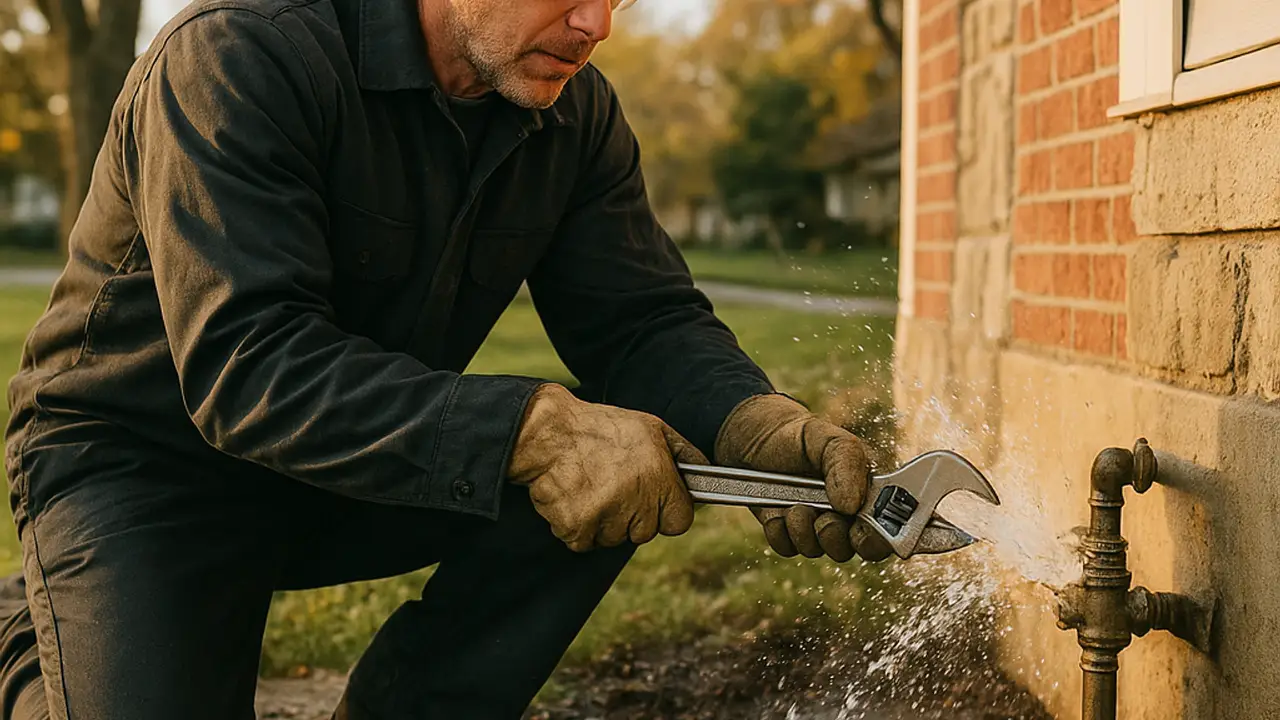
For burst pipe water cleanup before help arrives, stop the water at the main shutoff, keep clear of any wet electrical area, and move people and valuables away from the flow. Then photograph the damage and remove only water you can reach safely; do not cut into walls or run electrical equipment on a wet floor. These first steps buy time without turning a plumbing emergency into an electrical or structural hazard. We'll explain where to find the shutoff, how to protect belongings, what to avoid, and when Indianapolis homeowners should call for extraction.
Burst pipe water cleanup before help arrives is the immediate, safety-first removal and protection work you do while a plumbing or water-extraction crew is on the way. It is not a substitute for stopping the leak, drying concealed materials, or checking for damage inside walls and floors.
What should you do first when a pipe bursts?
When a pipe bursts in an Indianapolis home, protect people first, shut off the water supply, and stay out of rooms where water may have reached electrical outlets or equipment. Do those things before mopping or moving furniture.
Tell everyone in the home to avoid the affected room, especially children and pets. If water is coming through a ceiling, move out from underneath it; a waterlogged ceiling can sag, and wet drywall can become heavy. Do not stand below a bulge or touch a ceiling fixture that is dripping.
Next, locate the main water shutoff. It is often near the point where the service line enters the house, in a basement, utility area, crawlspace, or near a water meter. In some Indianapolis homes, the valve is in an awkward or partially finished basement; do not wade through water to reach it.
If you can reach the valve on dry ground, turn it clockwise until it stops. A lever-style valve usually closes with a quarter-turn so the handle sits across the pipe. If the valve is stuck, leaking, or inaccessible, call a plumber or your water utility rather than forcing it.
How to stop the water safely
Indianapolis homeowners can stop a burst-pipe flow by closing the main shutoff only when the route to the valve is dry and safe. If you know which fixture branch is leaking and its shutoff is reachable, closing that valve can also help.
After the main is closed, open a cold-water faucet at the lowest level of the house to relieve pressure and drain some water from the lines. Avoid running hot water or operating a water heater if the tank or connected piping has lost its supply; follow the appliance manufacturer's instructions, or ask a plumber what to switch off.
Water shutoff does not make a flooded room electrically safe. If water is near outlets, a breaker panel, extension cords, appliances, or wiring, do not enter to reach a breaker. Call 911 if there is an immediate danger, and contact the utility or a qualified electrician to isolate power safely.
Some local homes have older plumbing, additions, or basement layouts that make a single valve hard to identify. We provide Emergency Water Extraction Indianapolis IN for homes and businesses facing sudden water intrusion, but the immediate priority is still a safe shutoff and a clear path out.
How can you limit water damage before cleanup help arrives?
You can limit water damage from burst plumbing in Indianapolis by stopping active flow, moving dry belongings out of the wet area, and blotting or extracting only water you can reach without entering an electrical hazard. A few minutes of safe action can keep water from spreading into another room.
Once the water supply is off and the space is safe, use towels to dam water at doorways and wipe up small, accessible puddles. A wet/dry vacuum is appropriate only if the manufacturer permits liquid pickup and its plug, cord, and outlet are completely dry and away from standing water. Never use a standard household vacuum.
Take photos and short videos before moving items, including the broken pipe area, standing water, damaged contents, and any ceiling or wall staining. Note the time you discovered the leak and when you shut off the supply. These records can help you explain what happened to the plumber, restoration crew, and insurer.
If water is spreading across a large area, your priority is containment, not trying to dry the whole house with fans. Professional crews use extraction equipment to remove water from flooring and other accessible surfaces, then check for moisture that has moved beneath materials. We offer 24/7 water removal Indianapolis IN for urgent water-removal needs, including after a plumbing failure.
Keep doors open between dry areas only if doing so will not spread water. Do not aim fans into a room that may contain sewage, contaminated water, or a strong odor from an unknown source. If the water is discolored or came from a drain, stop handling it and tell the cleanup team.
What to move and what to leave alone
After a burst pipe in Indianapolis, move small, dry valuables and lightweight belongings out of the wet zone, but leave heavy, waterlogged furniture and unsafe electrical items where they are. Keep a clear route for the crew to reach the water and the damaged area.
Raise small furniture on foil or plastic if the feet are wet and you can do it without straining or slipping. Remove rugs from a wet hard floor when they are light enough to lift safely. Pick up shoes, books, and loose items before they absorb more water.
Do not drag a soaked sofa across a room, lift a heavy mattress alone, or handle electronics that have been wet. A saturated rug or carpet can weigh much more than it appears. Leave items that are stuck, swollen, or too heavy; extraction professionals can assess whether they need to be moved before equipment is set up.
In a two-story home, check the room directly below the broken pipe for ceiling stains, soft drywall, or dripping around a light fixture. Do not poke a sagging ceiling to drain it. A controlled opening is a job for a qualified professional after the electrical risk and water source have been addressed.
Our crews regularly see water travel beyond the room where a pipe failed, especially along floor seams and under baseboards. If you live in an older home near the canal or in a historic district, flooring and plaster details can complicate access; Emergency Water Extraction in Old Northside reflects the kind of neighborhood-specific response needed when a leak affects older building materials.
Common mistakes during burst pipe cleanup
During burst pipe cleanup in Indianapolis, the most damaging mistakes are entering standing water near electricity, delaying the water shutoff, and assuming a dry-looking surface means the structure is dry. Avoid these shortcuts even when the visible puddle seems small.
- Do not step into water near outlets or appliances. You cannot judge electrical safety by looking at the surface.
- Do not use a hair dryer, space heater, or household vacuum. These can create shock, fire, or equipment hazards around wet materials.
- Do not close the room and leave wet materials untouched for days. Prompt water removal and drying reduce the chance of lingering moisture and odor.
- Do not throw away damaged contents before documenting them. Take clear photos first and keep receipts for emergency purchases.
- Do not cut drywall or pull up flooring without a plan. Hidden wiring, plumbing, and wet insulation can make demolition unsafe.
Water can travel beneath vinyl, laminate, carpet padding, and cabinets. A floor that looks dry at the surface can still hold moisture below. In many homes, the first visible stain appears several feet from the pipe break because water follows framing, seams, or gravity.
Do not assume all water is clean. A broken supply line commonly releases tap water, but water that has mixed with drain backup, soil, or other contaminants needs different handling. Tell the crew what you saw and where the water came from.
When to call a professional
Call a water-extraction professional promptly when a burst pipe has soaked carpet, reached walls or ceilings, spread into multiple rooms, or left standing water you cannot remove safely. Call a plumber as well if the line is still leaking or the source is not isolated.
Standing water can begin damaging porous materials right away, and hidden moisture is harder to address after it settles into padding, subflooring, and wall cavities. Do not wait for a musty smell or a visible stain to decide whether the affected area needs inspection.
For flooded room cleanup after a burst pipe, our team removes accessible water, checks the affected area, and explains the next practical steps. We can also help you understand whether Water damage inspection Indianapolis IN is needed to locate moisture that is not visible on the surface.
We serve Indianapolis and nearby neighborhoods, including areas with older basements and finished lower levels where water can quickly reach stored belongings. In Broad Ripple, for example, a burst line in a lower-level utility room can affect carpet, storage, and the adjoining finished space; we provide Emergency Water Extraction in Broad Ripple when local homes need water removed.
Water Pump Masters can help with emergency water removal and cleanup after the plumbing source is controlled. If the room is unsafe, leave it closed off and tell us whether water reached a breaker, outlet, ceiling, carpet, or basement.
Frequently Asked Questions
What should I do first when a pipe bursts?
First, move people away from the water and shut off the main supply if you can reach the valve safely. Stay out of flooded areas near electrical equipment. Once the flow stops, document the damage and remove only small amounts of water you can handle without entering an unsafe space.
How can I limit water damage before cleanup help arrives?
Stop the water, keep people out of the wet area, and move lightweight valuables to a dry room. Use towels to contain small puddles and take photos before disturbing damaged items. If a wet/dry vacuum is safe to use, follow its liquid-pickup instructions and keep every electrical connection dry.
Should I turn off the power after a burst pipe floods a room?
Turn off the affected circuit only if the breaker is in a dry, safely accessible location and you do not need to cross water. Never touch a wet panel or stand in water to reach a switch. If you are uncertain, leave the area and call the utility, an electrician, or emergency services if danger is immediate.
Who provides emergency burst pipe cleanup in Indianapolis?
Water Pump Masters provides emergency water extraction and cleanup in Indianapolis. Call after you shut off the water if the area is safe, or call emergency services first if there is an electrical or structural hazard. Tell our team what rooms are affected and whether water reached carpet, walls, or a basement.
How long can I wait before removing water from a burst pipe?
Start safe water removal as soon as the leak is controlled; do not wait overnight if water remains on carpet, flooring, or near walls. Moisture can move into padding and building materials within hours. A professional assessment helps identify water beyond the visible puddle and prioritize extraction and drying.
Get help with Emergency Water Extraction in Indianapolis
If a burst pipe has left water across your floor, stop the supply, keep clear of electrical hazards, and call Water Pump Masters for emergency extraction in Indianapolis. Call 317-792-8700 and tell us where the water is and whether the source is shut off.